75 Houses in Jayabageshwori to Be Restored to Traditional Architecture at Cost of Rs 90 Million
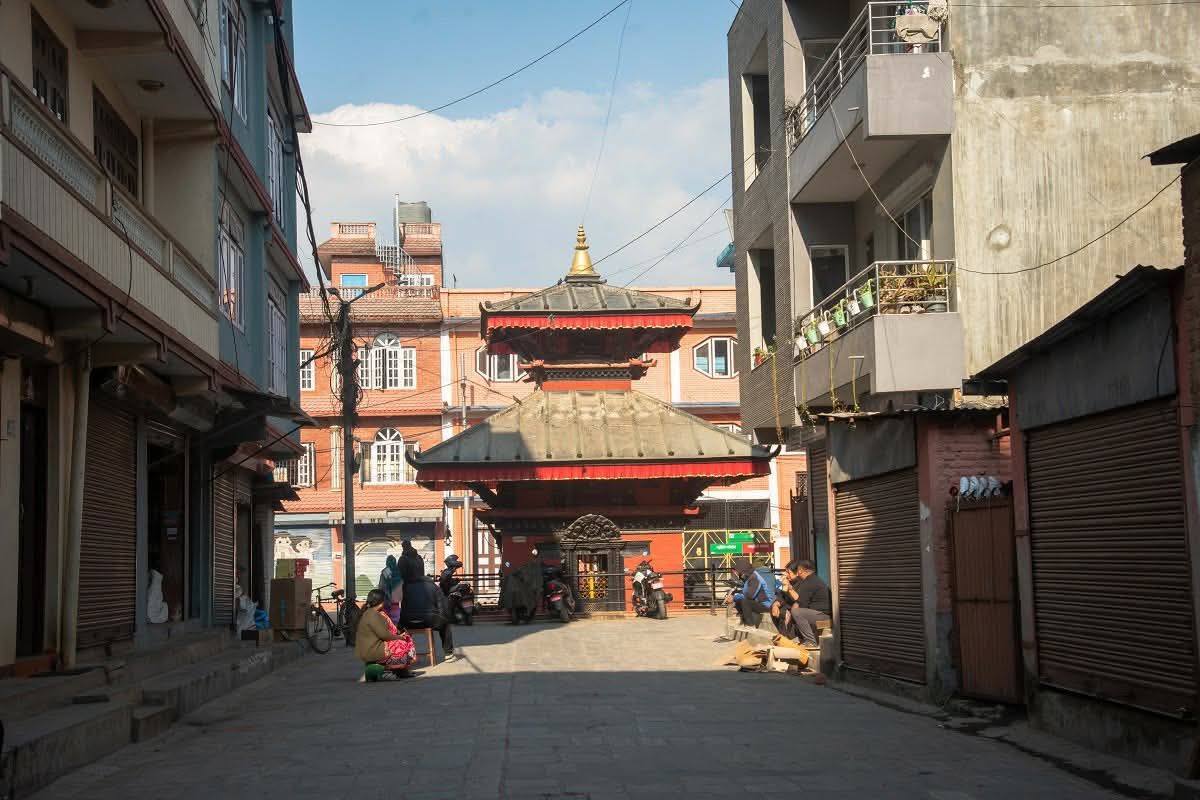
Kathmandu – Kathmandu Metropolitan City has begun a major heritage restoration initiative in Ward No. 8, Jayabageshwori, with plans to transform the street-facing façades of 75 buildings into traditional architectural styles. The project, aimed at reviving the city’s historic character, has been contracted through a competitive bidding process at a cost of Rs 90.48 million, against an estimated budget of Rs 109.05 million.
The restoration work will cover a 290-metre stretch from Jayabageshwori Temple to Seto Dhoka, focusing on the visible fronts of houses on both sides of the road. The redesigned façades will reflect Mall-era and Rana-era architectural styles, long considered the traditional urban identity of the Kathmandu Valley.
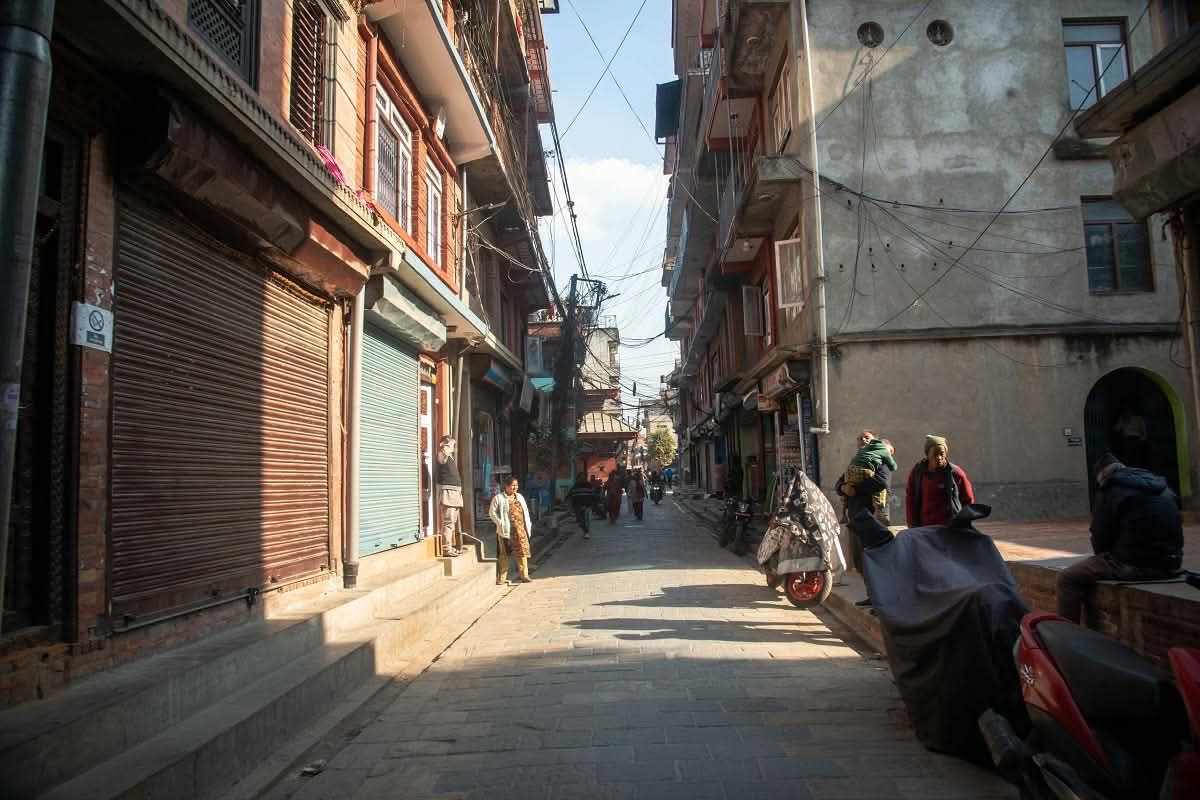
Reviving Kathmandu’s Historic Urban Identity
Ward Chairperson of Ward No. 8 and Coordinator of the Metropolitan Heritage and Tourism Committee, Ashaman Sangat, said the project is part of a broader effort to restore Kathmandu’s original urban character. According to him, traditional architecture in the valley includes structures developed from the Mall period through the Rana era, regardless of whether they are privately or institutionally owned.
He explained that Mall-era houses are defined by distinctive elements such as raised plinths, cornices, balconies, sloped tiled roofs, exposed brick walls, and intricately carved wooden windows in single, triple, or five-panel designs. Typical houses feature four storeys with spaces such as chhidi, mata, chwatan, and buing, along with a roof. “Modern structures will be visually transformed to reflect these traditional designs,” Sangat said.
Although around 250 households are connected to this road section, only the portions of buildings visible from the road or open spaces will undergo façade transformation.
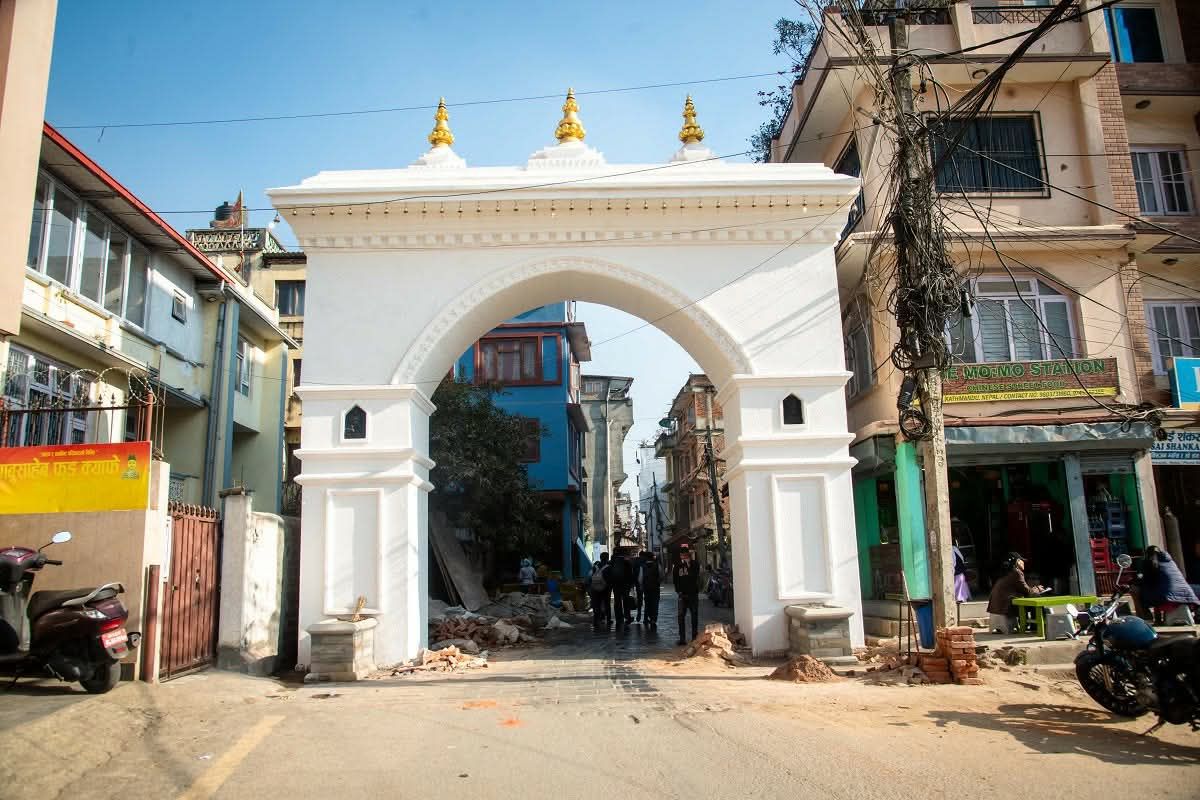
Dense Concentration of Cultural and Religious Heritage
The Jayabageshwori corridor is home to a remarkable concentration of religious, cultural, and social heritage sites. These include Seto Dhoka, Tamreshwar Falcha, Tamreshwar Mahadev Temple, Batsaleshwori Dabali Falcha, Gumti Mahadev Temple, Buddhist chaityas, caves, traditional rest houses, stone spouts, wells, and numerous temples dedicated to deities such as Ganesh, Bhairav, Narasimha, Brahma, Navadurga, and Jayabageshwori herself.
The area is also closely tied to the living cultural traditions of local communities. Major festivals and rituals such as Navadurga dance, Harisiddhi dance, Trishul Jatra, Gai Jatra, Batsaleshwori Jatra, Krishna Jatra, Khadga Jatra, Ropain Jatra, Yala festival, and Gunla festival are conducted here. Several important religious observances, including Balachaturdashi seed scattering and Kumari and Kumar worship, traditionally begin from this locality.
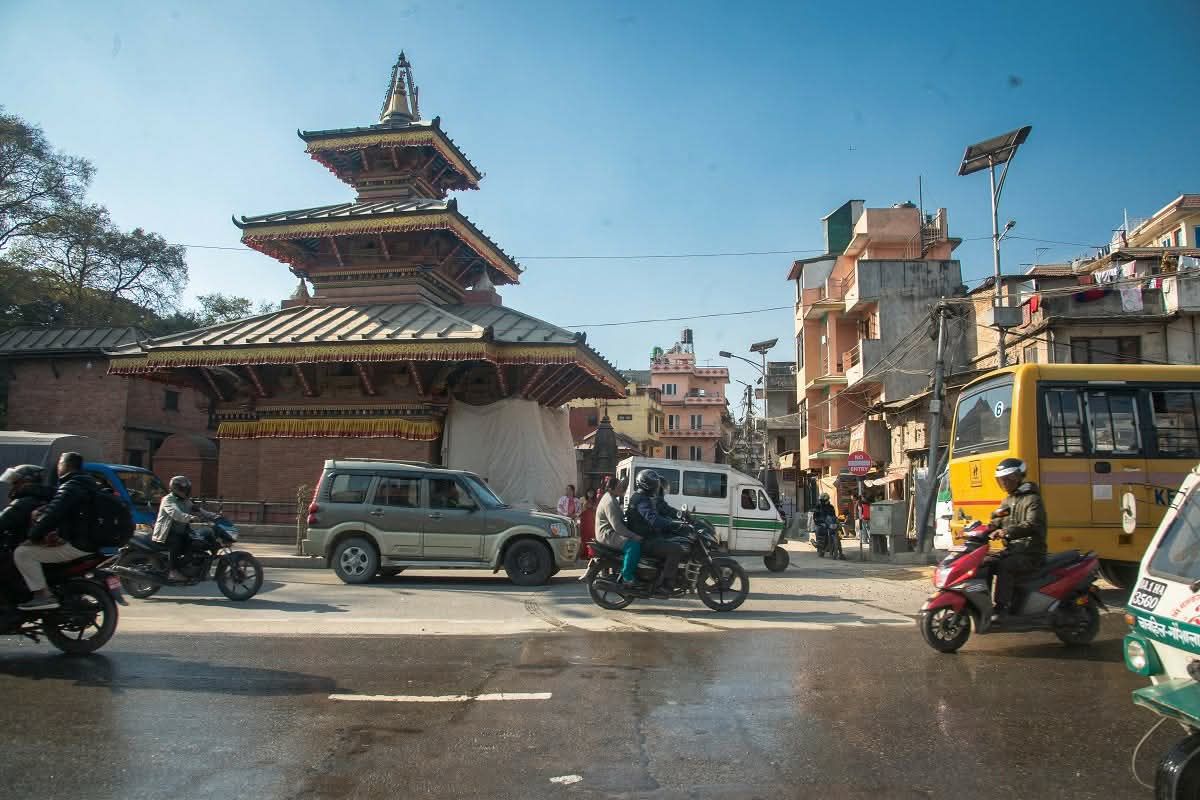
Gwal De and Its Unique Cultural System
Jayabageshwori lies within the historic Gwal De area, once considered a distinct city-state of Kantipur. The area is known for its tantric traditions and symbolic use of the number nine, reflected in its nine ponds, nine stone spouts, nine wells, nine gates, nine power shrines, nine rest houses, nine courtyards, nine neighbourhoods, and nine castes.
To preserve this heritage, nine traditional Si Guthi groups remain active in the area, teaching traditional music, rituals, and cultural practices to younger generations. Devotional Dapha Bhajan singing continues to be performed in local falchas and dabalis.
Preserving a Lichchhavi-Era Cityscape
Officials say Jayabageshwori is part of a Lichchhavi-era settlement, and the primary objective of the project is to pass this ancient identity on to future generations through visual and cultural continuity. As part of the broader initiative, the ward is also reconstructing the historic Yapu Khu pond, spread across approximately three ropanis of land.
Kathmandu Metropolitan City has implemented this programme to preserve and restore the traditional appearance of privately and institutionally owned buildings with historical, archaeological, cultural, and architectural significance. The initiative aims to correct visual alterations made over time and reinstate the original architectural styles, strengthening Kathmandu’s heritage-based urban identity.