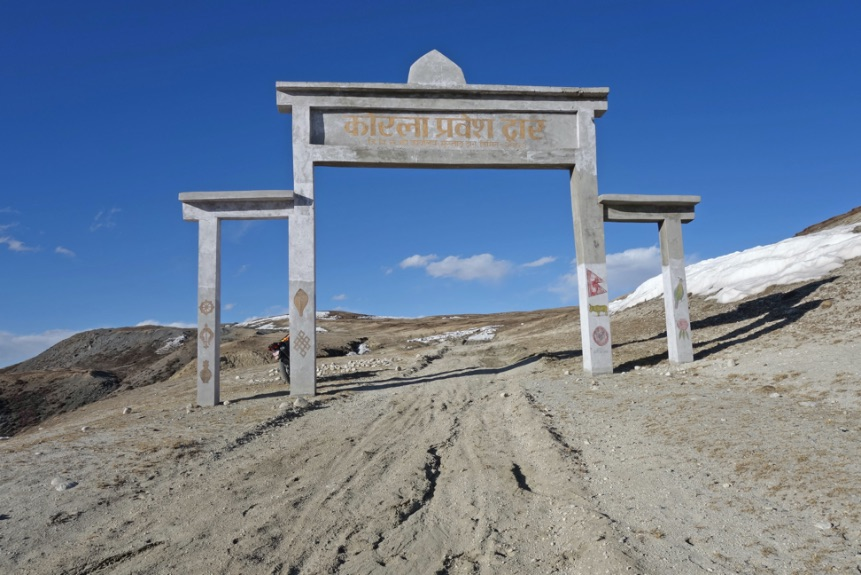
Nepal’s northern trade network has gained a vital new link as the Korala customs point in Mustang moves into full operation, providing a critical alternative for commerce with China.
According to the Department of Customs, the Korala post, which officially began full service on September 15, processed 209 electric vehicles and 107 cargo shipments by September 20. These clearances generated nearly Rs 345 million in customs revenue within just five days.
Korala’s rapid activation follows severe July floods that forced the closure of the Rasuwa checkpoint at Timure and a landslide that disrupted Tatopani operations. With both traditional routes blocked, Kathmandu and Beijing agreed to shift trade flows through Mustang to maintain cross-border supply chains.
Officials report that the Automated System for Customs Data (ASYCUDA) is now fully functional at the site, improving documentation speed and transparency. In addition, a September 16 directive from Nepal Rastra Bank added the Mustang office to its Integrated Circular 2081, allowing import payments through letters of credit routed via China—a measure expected to stabilize trade even when other corridors face natural disasters.
Authorities say the checkpoint’s expansion marks a strategic milestone, positioning Mustang as a permanent trade corridor with China. Both governments are working to scale up capacity ahead of the busy festival and winter trading seasons.
The immigration facility at Korala, inaugurated on October 30, 2024 by Home Minister Ramesh Lekhak, remained inactive until May this year, delaying local economic opportunities. While customs and immigration are now operational, other government services at the remote border are still being developed.