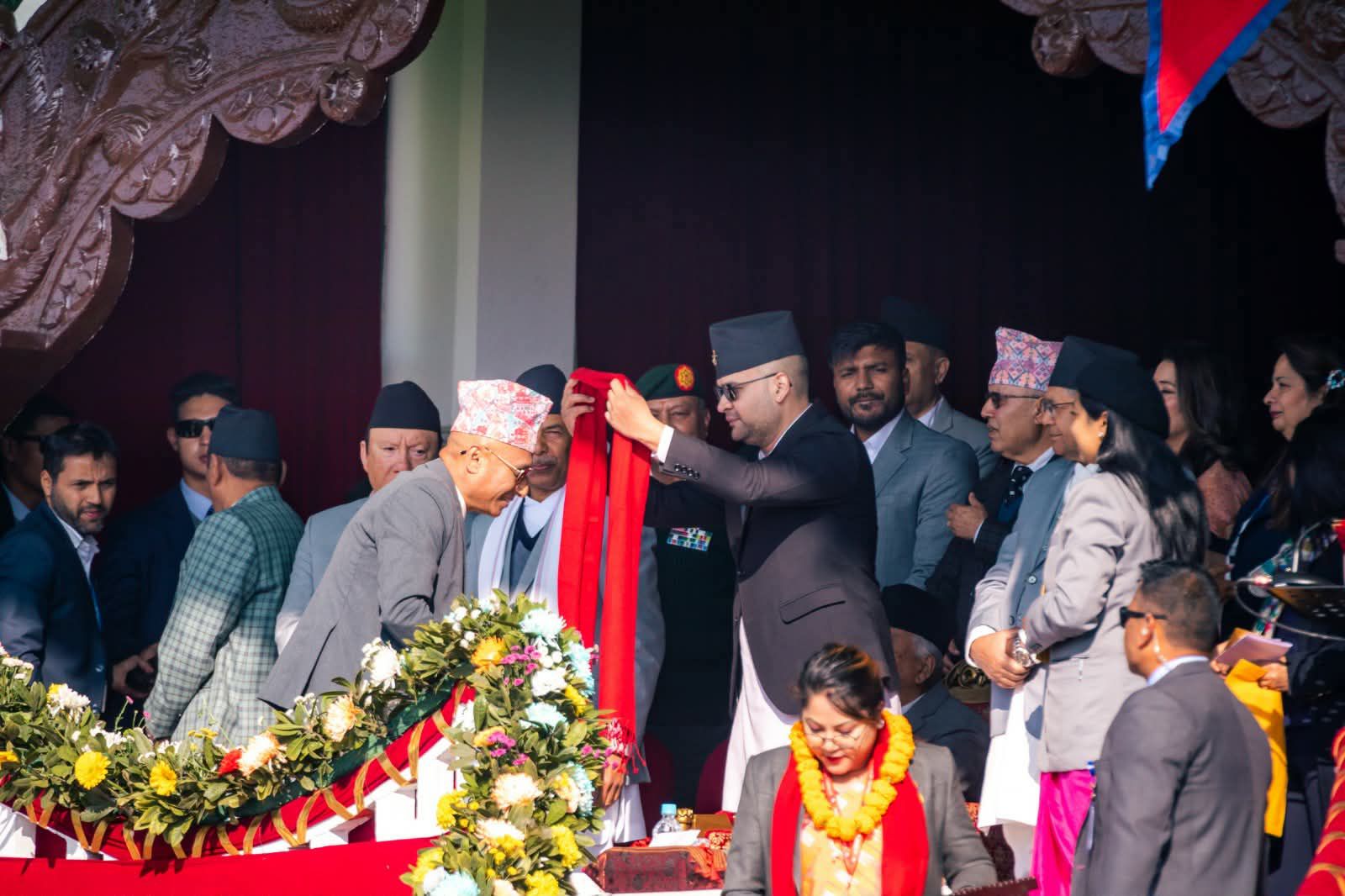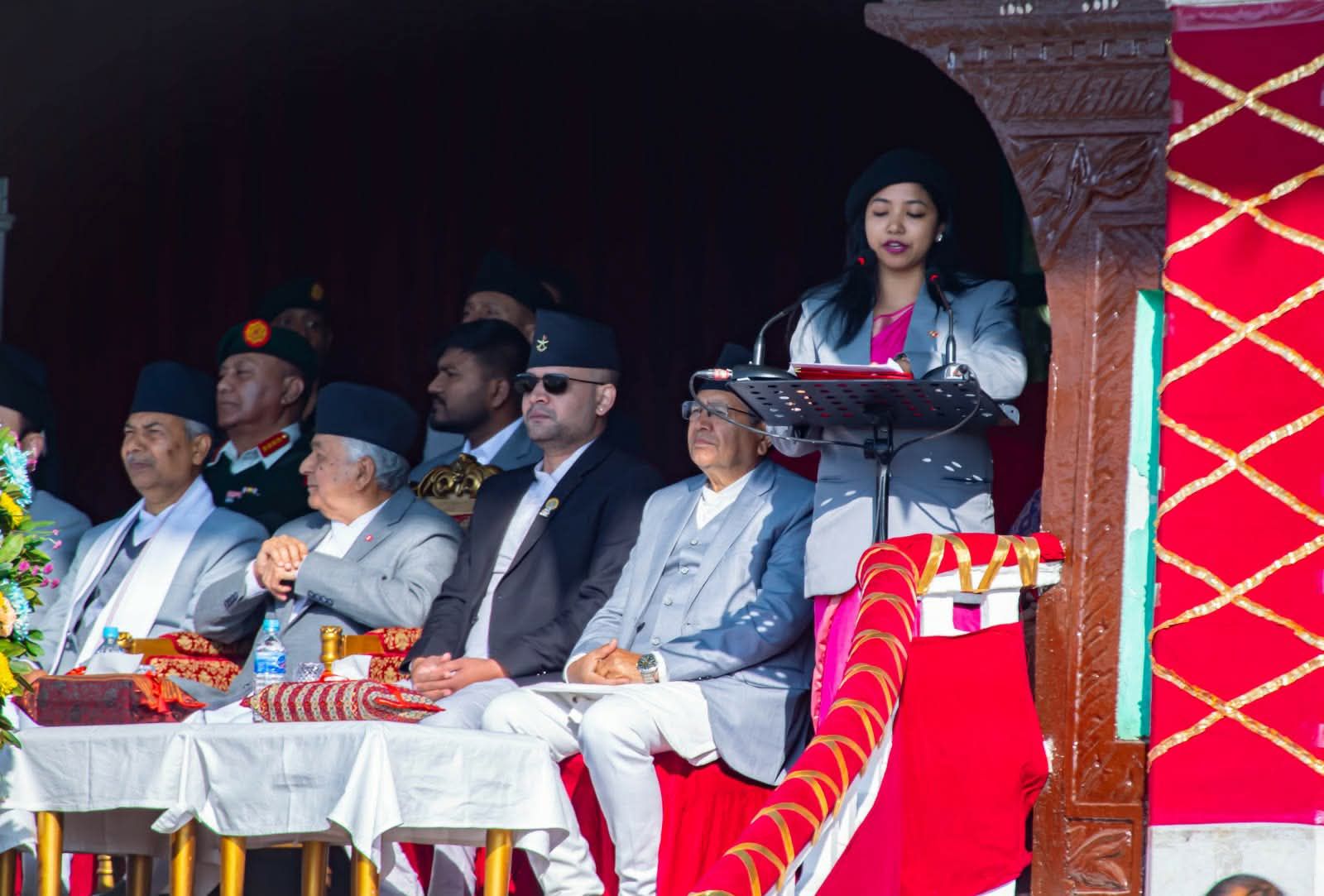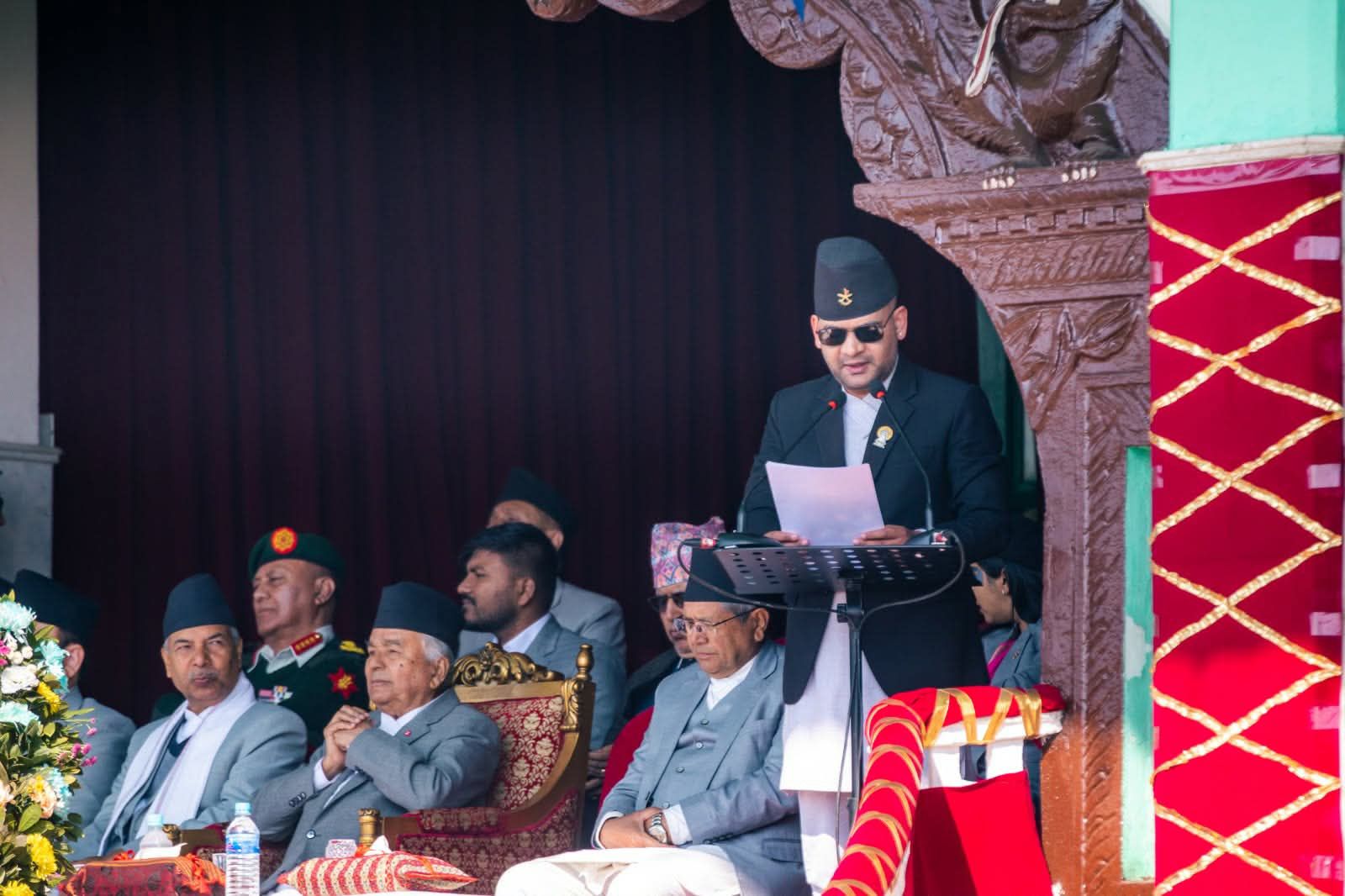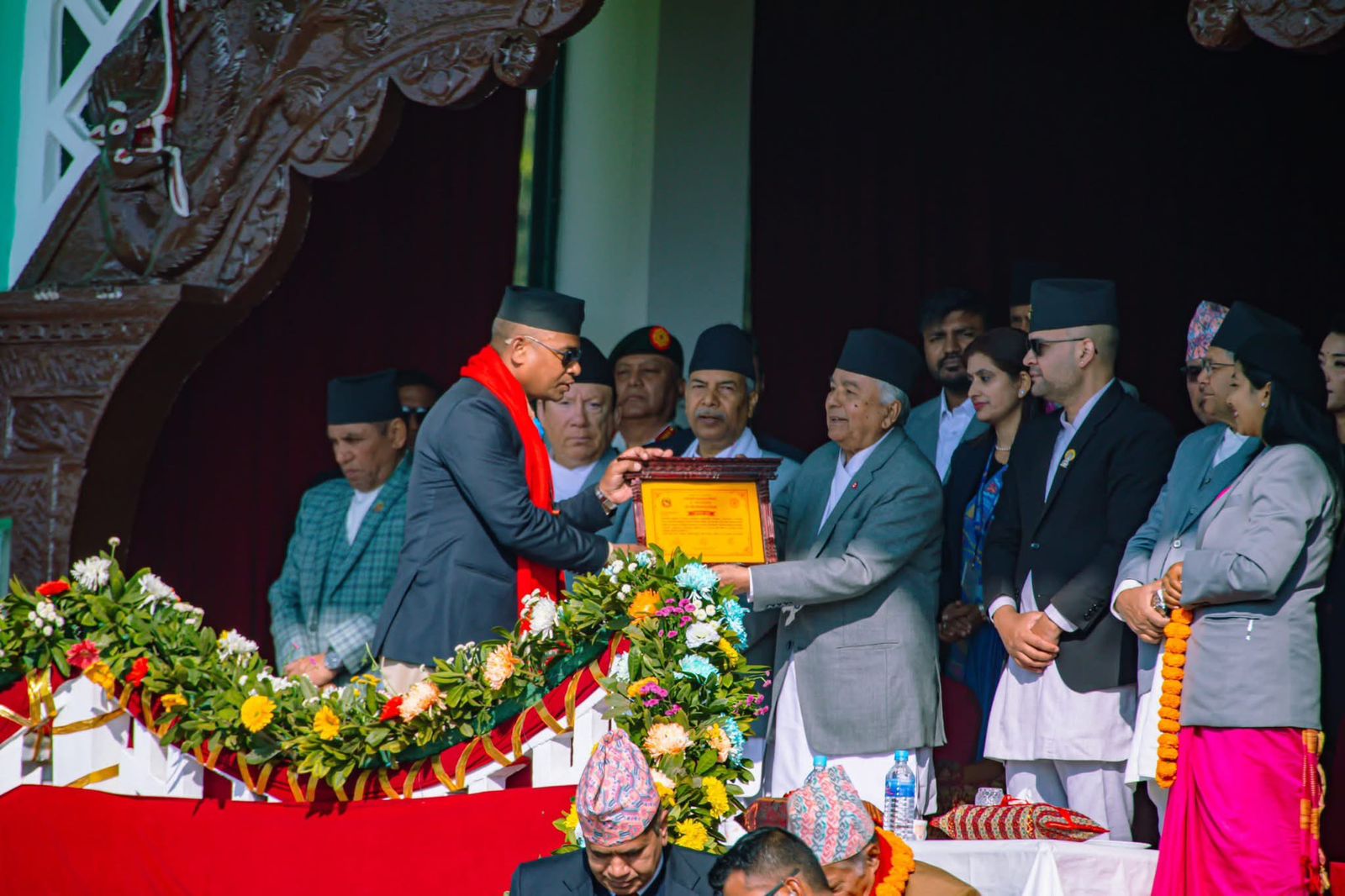
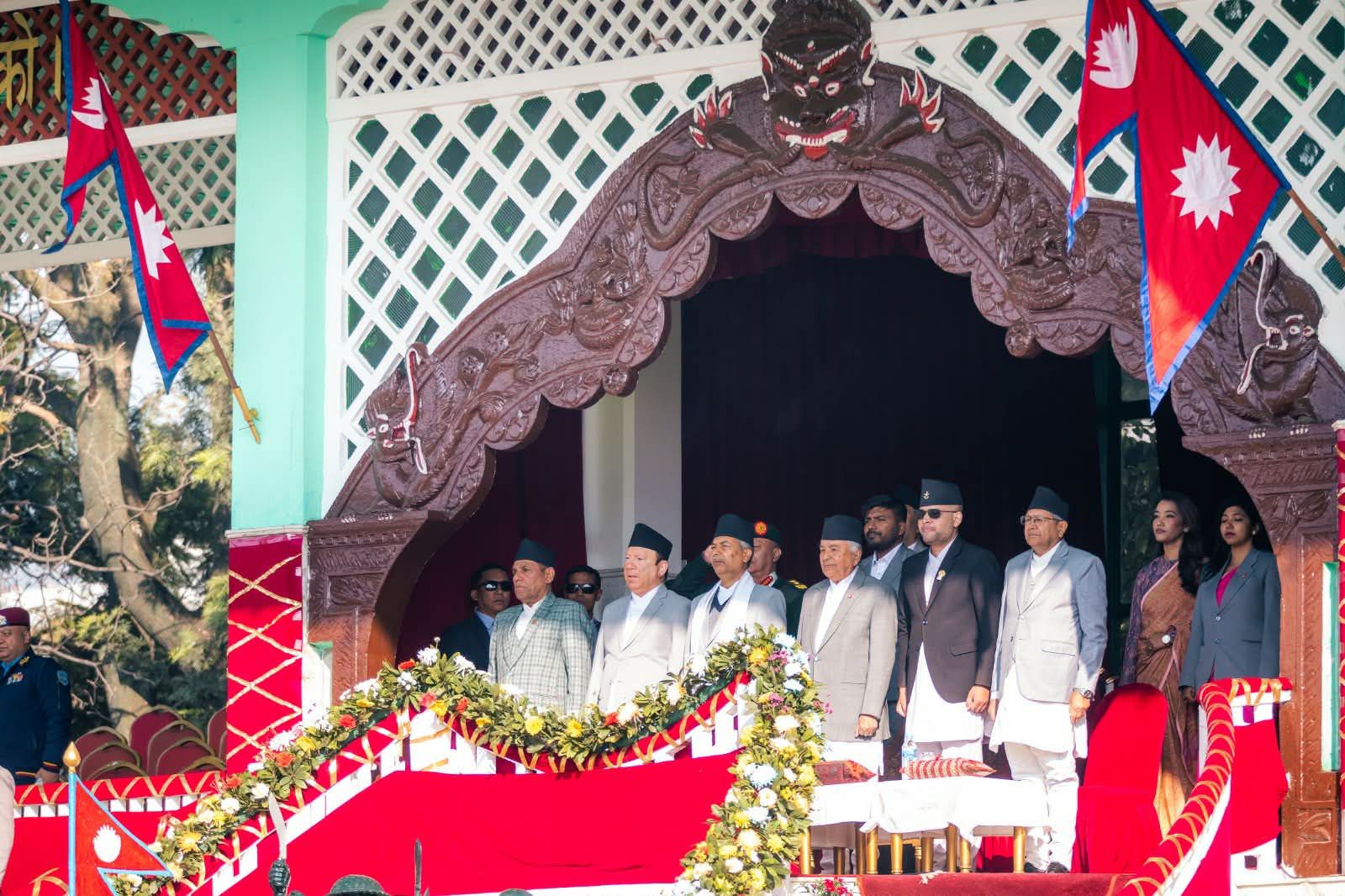
Kathmandu – Kathmandu Metropolitan City (KMC) marked its 31st Metropolitan Day with a grand ceremony at Tundikhel on December 15, 2025, with President Ramchandra Poudel expressing confidence that the metropolis is working in line with public expectations and setting an example in urban governance and development.
Addressing the main ceremony of the 31st Metropolitan Day, President Poudel stated that if governments at all levels are able to fulfill public aspirations, many of the country’s current challenges can be resolved. He praised Kathmandu Metropolitan City for its exemplary efforts in the protection of natural and human-made heritage, promotion of greenery, integrated urban development, effective service delivery, and the use of electronic systems in governance. He highlighted that initiatives such as operating a one-stop service center, institutionalizing e-governance, and prioritizing grievance redress mechanisms have reinforced the concept of a strong local government that functions as a government at the citizens’ doorstep.
The President further noted that the transfer of citizen-centric rights to the ward level and the municipality’s efforts to effectively communicate this change demonstrate the strengthening of local governance. According to him, Kathmandu Metropolitan City has sent a clear message that its services are citizen-friendly, service-oriented, accountable, and transparent, which he described as a solid pillar of federal and local governance.
The ceremony was attended by several high-ranking dignitaries, including Vice President Ram Sahaya Yadav, Chief Justice Prakashman Singh Raut, Speaker of the House of Representatives Devraj Ghimire, Chairperson of the National Assembly Narayan Prasad Dahal, Finance Minister Rameshore Khanal, Minister for Physical Infrastructure Kulman Ghising, Minister for Youth and Sports Bablu Gupta, along with other senior officials.
Speaking at the event, Kathmandu Metropolitan City Mayor Balendra Shah stated that policies, plans, budgets, and programs have been formulated with the aim of making metropolitan residents feel proud to live in Kathmandu. He presented the city’s achievements in numerical terms, noting that 208 ropanis of public land have been recovered for public use, with plans in place to recover an additional 1,859 ropanis. He said that 55 kilometers of roads have been blacktopped and upgraded under the dust-free road initiative, high-mast lights have been installed at 62 junctions, and nearly NPR 1.28 billion has been saved through improvements in public procurement processes.
Mayor Shah also highlighted improvements in community education, the rescue, temporary protection, and family reunification of children engaged in hazardous labor and those affected by sexual violence, and the operation of electronic office systems as representative achievements. Expressing gratitude to former elected representatives, civil servants, and development partners who contributed to preserving Kathmandu’s legacy, he said the metropolitan city remains committed to fulfilling its responsibilities with accountability, frugality, and transparency while safeguarding the city’s identity.
Deputy Mayor Sunita Dangol, addressing the program, said the day Kathmandu was declared a metropolitan city is among the most significant milestones in the practice of local self-governance and good governance. She emphasized the city’s commitment to institutionalizing best practices achieved so far to meet citizens’ expectations. She added that firm commitment to responsibilities leads to prosperity, and with strong cooperation and coordination from partners, the goal of building an inclusive, equitable, and identity-based city can be achieved sooner.
During the ceremony, 15 individuals from various fields were honored for their contributions to enhancing the nation’s prestige. President Poudel, Mayor Shah, and Deputy Mayor Dangol jointly honored cultural scholar and Newa human rights activist Prof. Dr. Chunda Bajracharya, senior litterateur Dhruba Chandra Gautam, senior journalist Vijay Kumar Pandey, educationist Prof. Dr. Kedar Bhakta Mathema, senior artist Basundhara Bhusal, national cricketer Sompal Kami, women’s volleyball captain Jenisha Bishwakarma, urologist Dr. Sanjay Khadgi, litterateur Prakash Sayami, swimmer Nayana Shakya, former FIFA referee Gyanuraja Shrestha, visual artist Govind Lal Dangol, powerlifting athlete Ruby Shrestha, women’s cricketer Indu Barma, and social worker Ranjan Lal Shrestha. Each was awarded a cash prize of NPR 100,000.
Seven elected representatives were also honored with the Local Service Pride Award 2082, receiving NPR 100,000 each for their contributions to enhancing the dignity of the metropolitan city. The recipients included Ward No. 8 Chairperson and Coordinator of the Heritage and Tourism Committee Ashaman Sangat, Ward No. 12 Chairperson and Environment Committee Coordinator Balkrishna Maharjan, Ward No. 19 Chairperson and Infrastructure Committee Coordinator Rajesh Kumar Shrestha, Ward No. 25 Chairperson Rajesh Dangol, Ward No. 3 Member Keshav Prasad Shrestha, Ward No. 18 Member Hem Jyoti Shakya, and Ward No. 32 Member Hari Bahadur Basnet.
Similarly, four elected representatives, Ward No. 4 Member Saru Adhikari, Ward No. 20 Member Shobha Manandhar, Ward No. 26 Member Shanta Maharjan, and Ward No. 29 Member Sangeeta Pujari, were also honored with NPR 100,000 each. Ward No. 10 Member Satish Tandukar and Ward No. 21 Member Rina Nepali were honored with the First Elected Mayor Janak Man Shrestha Self-Governance Award, which carries a cash prize of NPR 100,000 per recipient.
The event also featured an exhibition of vehicles and equipment used in urban development, development management, disaster management, sanitation, and cleanliness. The Metropolitan Police conducted demonstrations showcasing tools used for heritage protection, fire control, and search and rescue during water-related disasters. All wards participated with displays of traditional musical instruments, cultural processions, and dances.
As part of the Metropolitan Day celebrations, programs such as traditional instrument guru honors, a friendly football match between the Mayor 11 and Chief Administrative Officer 11, and an indigenous food hygiene fair were organized a day earlier.
Kathmandu’s metropolitan history dates back to December 18, 1996, when the sanitation office was established, laying the institutional foundation of the city. Kathmandu was officially declared a metropolitan city on December 15, 1995, a date that has since been celebrated annually as Metropolitan Day.