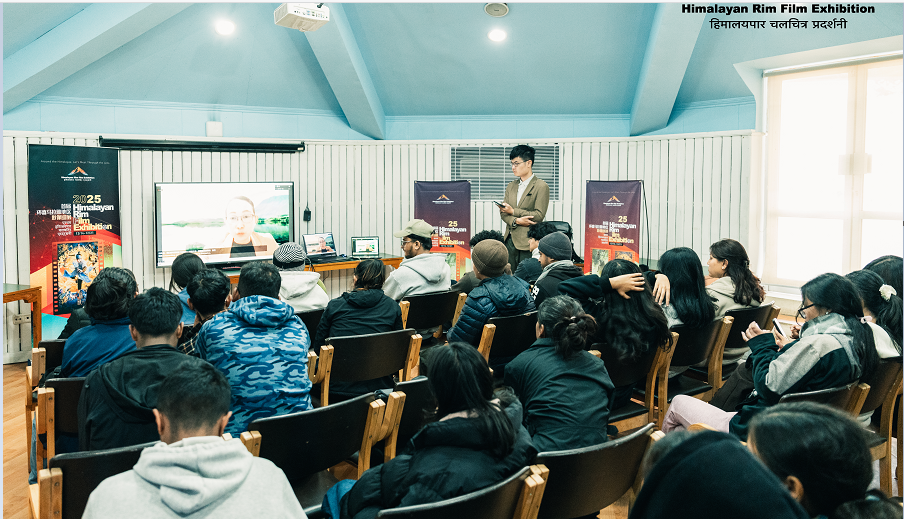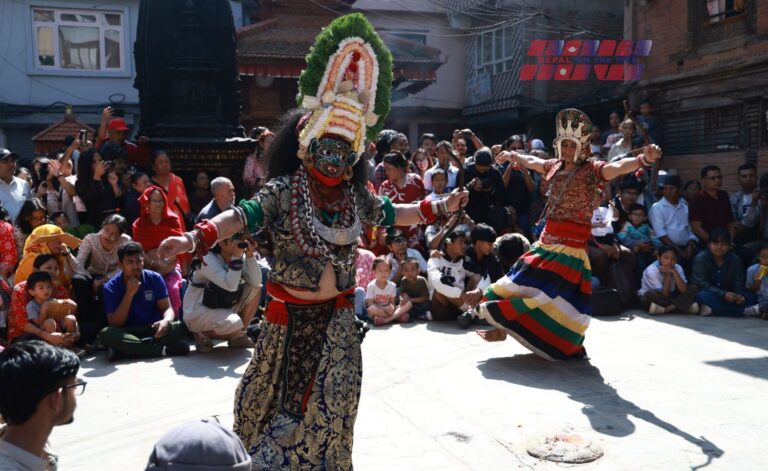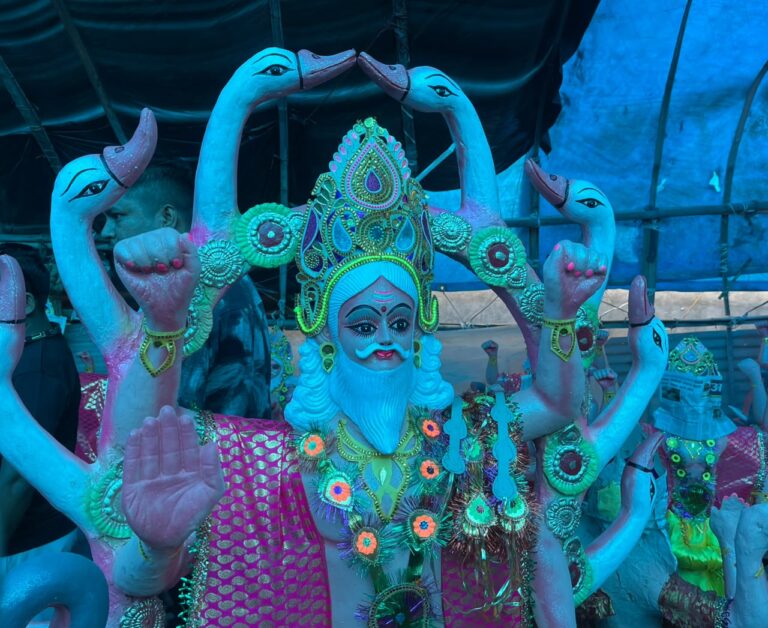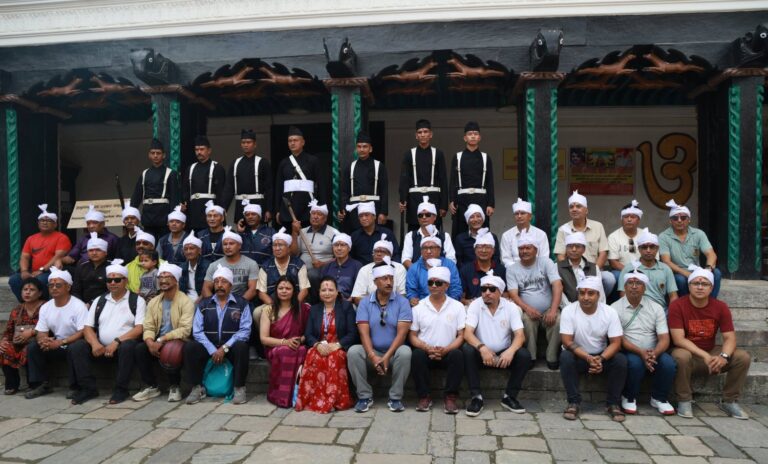

The Kathmandu University stop of the 2025 Inaugural Himalayan Rim Film Exhibition concluded successfully on December 19, marking another significant milestone in fostering cultural dialogue and youth engagement between China and Nepal. Following a well-received opening at Tribhuvan University, the exhibition continued to deepen people-to-people connections through film, technology, and creative collaboration.
Expanding Cultural Exchange Through Animation and Technology
The Kathmandu University program broadened the scope of engagement by presenting a multi-dimensional perspective on technology-empowered Chinese animation culture. Faculty members and students were introduced to contemporary Chinese animation that integrates advanced technologies with traditional cultural narratives, reinforcing the role of film as a medium for cross-cultural understanding.
Opening Program and Film Screenings
The Kathmandu University segment officially commenced on December 17. The program opened with an AI-generated promotional short, setting the tone for a technology-driven cultural experience. This was followed by a special screening of The Spirit of the Mountains, which offered audiences insight into the latest creative directions in Chinese animation where culture and technology intersect.
Later that afternoon, the screening of White Snake drew strong engagement from students and faculty. An online interaction with the creative team and interactive blind-box activities accompanied the screening. Centered on the theme of past-life destiny, the film presented a contemporary reinterpretation of the classic Legend of the White Snake, allowing audiences to experience a renewed expression of Chinese mythology through modern storytelling techniques.
Hands-On Creativity and Cultural Fusion
On December 18, the “Fingertip Creations” workshop emerged as a major highlight of the exhibition. Nepali artisans demonstrated the complete process of traditional handmade paper-making, explaining its cultural significance and everyday applications. Students worked in groups using locally sourced, eco-friendly paper to create posters and illustrations inspired by films such as New Gods: Yang Jian, White Snake, and Legends of Hei 2.
Through this hands-on activity, participants creatively combined Nepali craft traditions with Chinese animation aesthetics, experiencing a meaningful fusion of the two cultures. The afternoon screening of New Gods: Yang Jian followed, with an online post-screening discussion in which the creators explained how physics-simulation technologies were used to construct the film’s mythological world. Interactive blind-box activities maintained a relaxed and vibrant atmosphere of exchange.
Academic Dialogue and Industry Insights
The exhibition entered its final phase on December 19. In the morning session, Professor Zhang Yan of Beijing Normal University delivered a thematic lecture titled “AI-Driven Transformation and Innovation in the Film Industry.” The lecture explored the growing influence of artificial intelligence on film creation and industry development, prompting in-depth discussions with Nepali faculty and students.This was followed by a cultural and creative products segment, where Chinese film merchandise and cultural-creative items, including New Gods: Yang Jian collector cards and creative blind boxes, were enthusiastically received by students. Li Qian, Chief Planner of the cultural and creative space, noted that these products aim to help Nepali youth not only appreciate the visual appeal of Chinese animation but also connect with its cultural emotions and innovative spirit.
A Meaningful Conclusion to a Shared Journey
After the afternoon screening of Legends of Hei 2, Nepali faculty and students interacted with the Chinese delegation through signings and photo sessions. Holding a banner reading “Around the Himalayas, We Meet Through Images,” participants symbolically marked the successful conclusion of the Kathmandu University stop.The exhibition concluded as more than a showcase of Chinese animation. It served as a platform for Nepali youth to express their own cultural creativity and engage in professional and artistic dialogue with Chinese counterparts, embodying the true spirit of mutual, two-way cultural exchange between the two nations.