“Such events open space for intersectional community dialogues, challenge stigma and uplift eco-friendly, accessible menstrual solutions,”
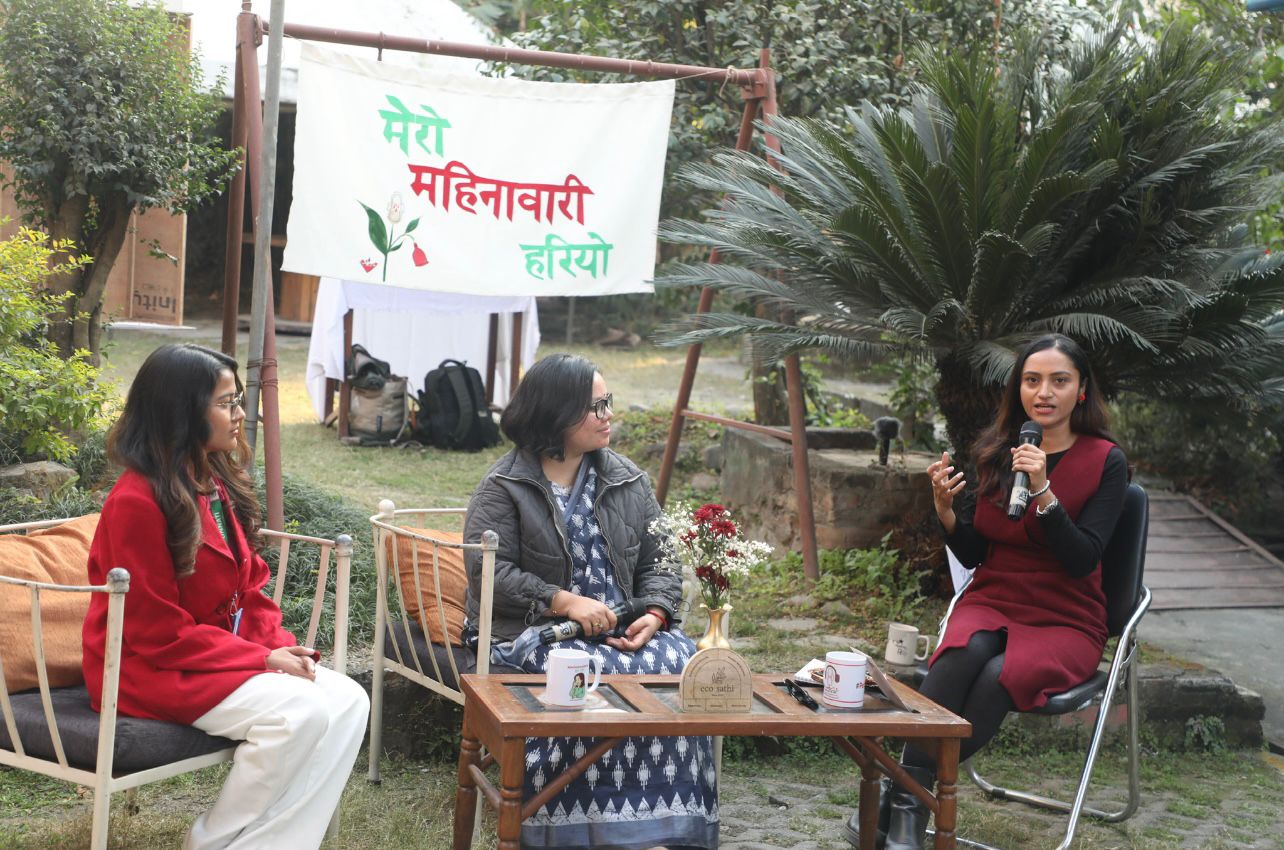
Kathmandu — The second edition of Mero Mahinawari Hariyo (Green Menstruation) was held in Kathmandu on Friday, bringing together activists, health professionals and community members to promote open dialogue on menstruation, dignity and environmental responsibility.
The one-day event aimed to raise awareness about sustainable menstrual health practices while creating space for intersectional community discussions. It was jointly organized by Eco Sathi Nepal, Period Kaa Kura Podcast and Untold Period Stories.
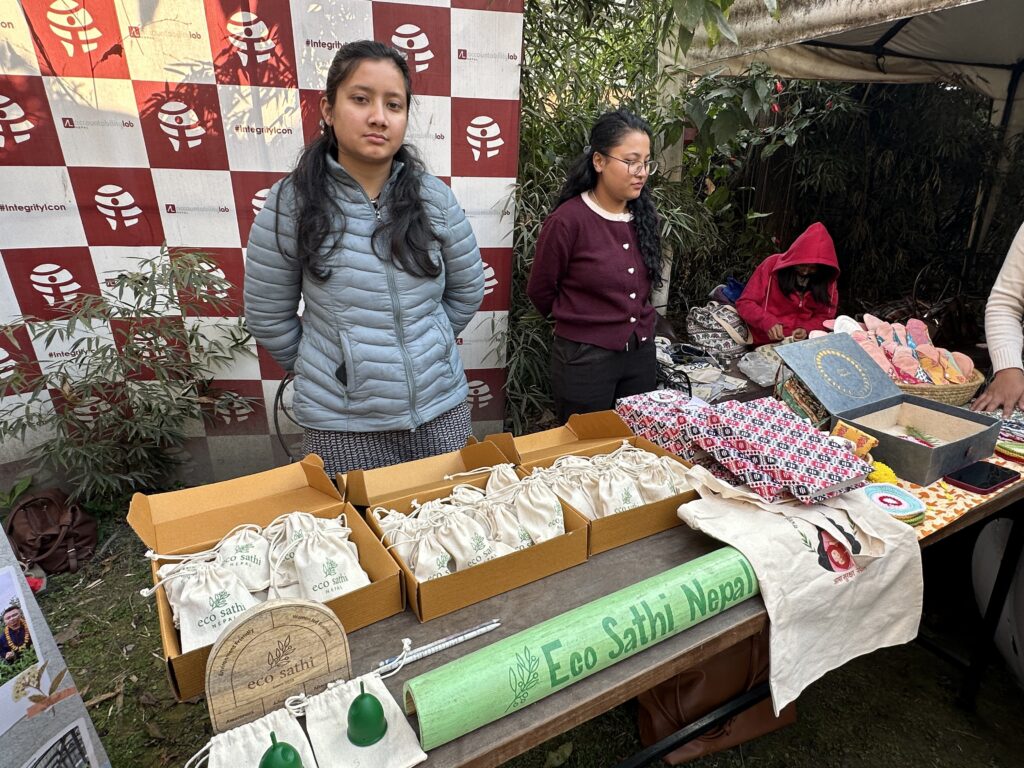
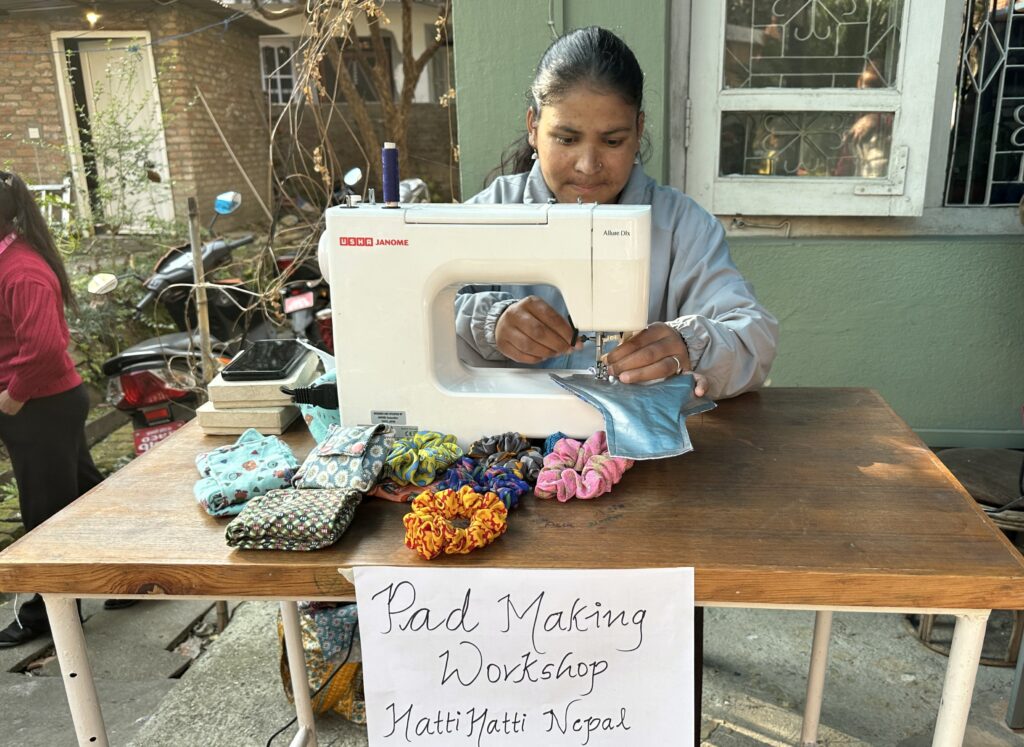
The programme included discussions with menstrual health advocates, activists and medical professionals, as well as a womb-healing session, a live sanitary pad-making workshop, an exhibition of sustainable menstrual products, poetry and storytelling performances, and a live podcast recording.
More than 200 participants from diverse backgrounds attended the women-led initiative, including activists, healthcare workers, students and environmental advocates from different age groups.
The event began with a womb-healing session led by physiotherapist Nikita Sangraula, who guided participants through practices aimed at nurturing reproductive health and addressing trauma.
A session titled “Understanding Our Uterus” followed, featuring a conversation between gynecologist Dr. Kunsang Dolma Sherpa and Priyanka Budathoki, co-founder of Period Kaa Kura. Dr. Sherpa discussed the anatomy of the uterus, the menstrual cycle and related health concerns, while responding to questions from participants.
“Period pain should not be unbearable,” Dr. Sherpa said. “If the pain is intense or disrupts daily life, it is not normal, and medical support is important.”
Another discussion, “Periods Are Political: Who Decides Our Bleeding?” brought together Pooja Bista, co-founder of Untold Period Stories, and Pareen Limbu, founder of Dristi Nepal. The session focused on menstrual health activism, environmental justice and the challenges of advocating for intersectional issues.
“Such events open space for intersectional community dialogues, challenge stigma and uplift eco-friendly, accessible menstrual solutions,” Limbu said. “Dignity should never cost the earth.”
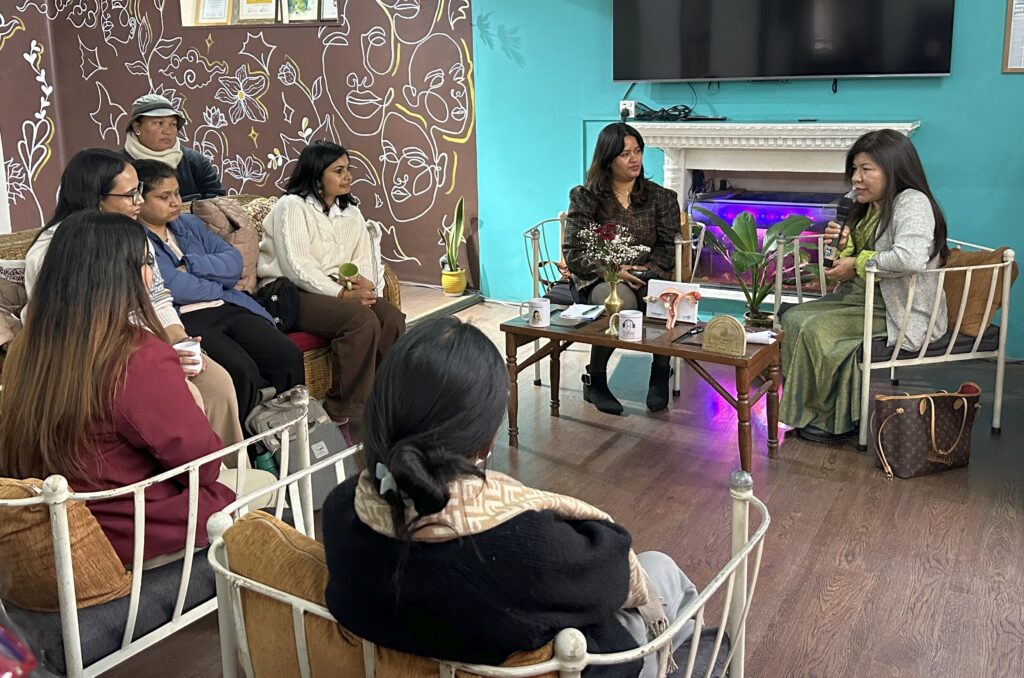
A separate interaction on “Menstruation and the Environment: What Are We Leaving Behind?” examined sustainable menstrual products, accessibility and economic considerations. Speakers included Dr. Manu Karki, founder of Eco Sathi Nepal, and Pooja Singh from Unnati, who traveled from the western district of Achham. The session was moderated by journalist Shristi Kafle, co-founder of Period Kaa Kura.
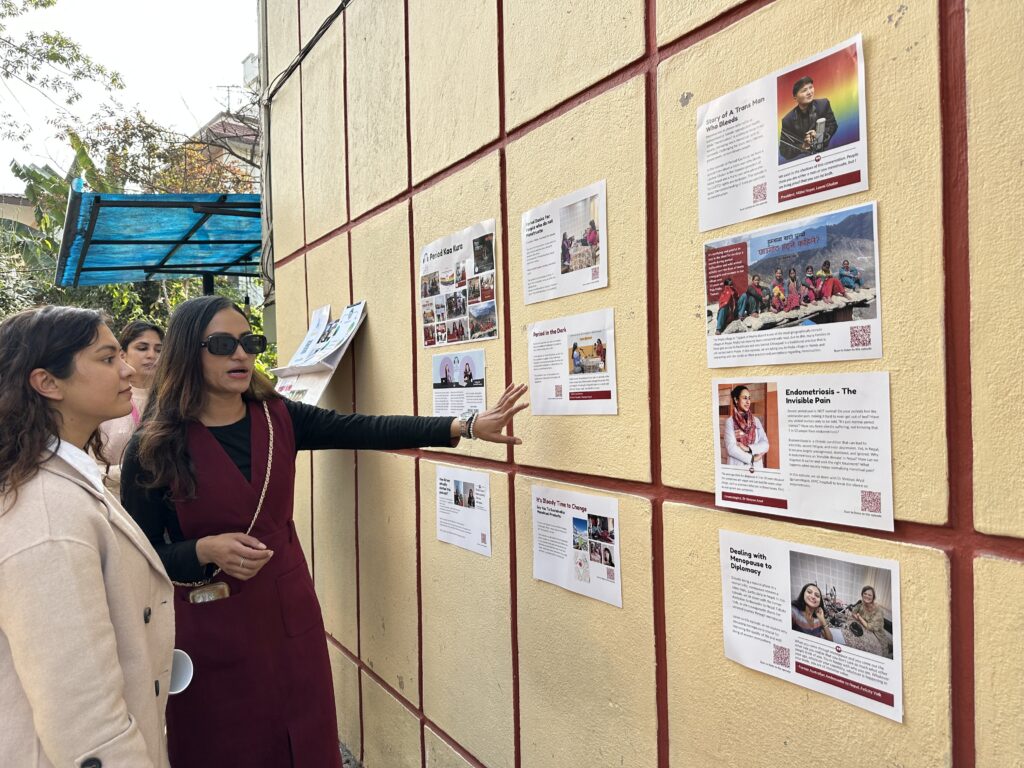
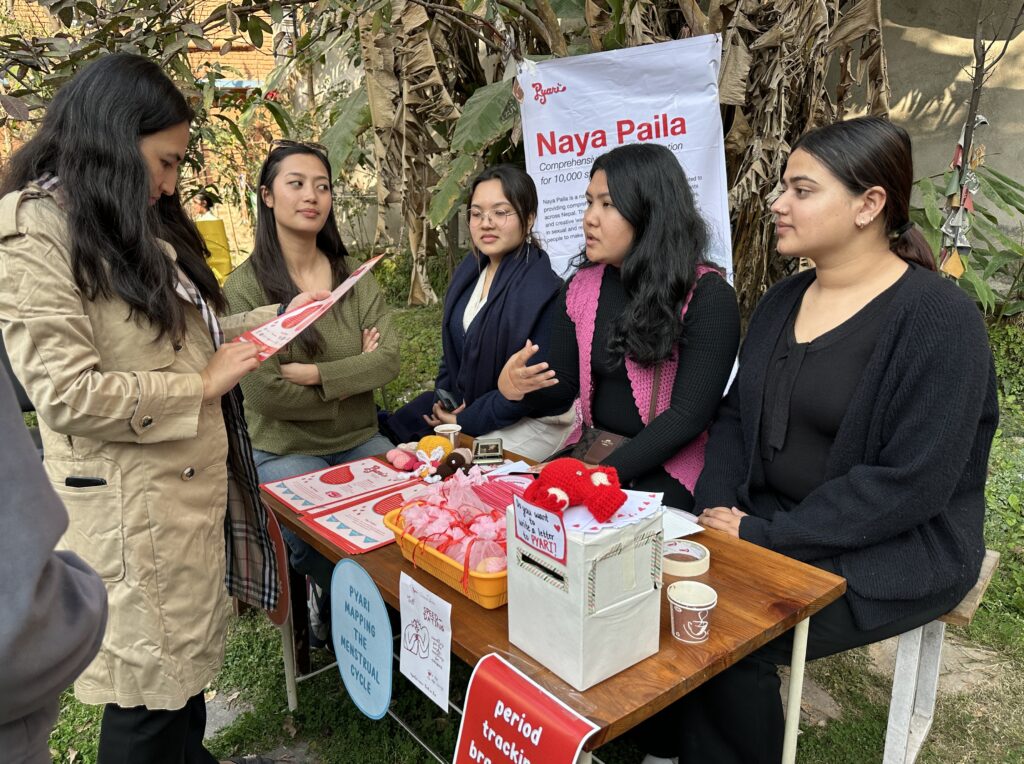
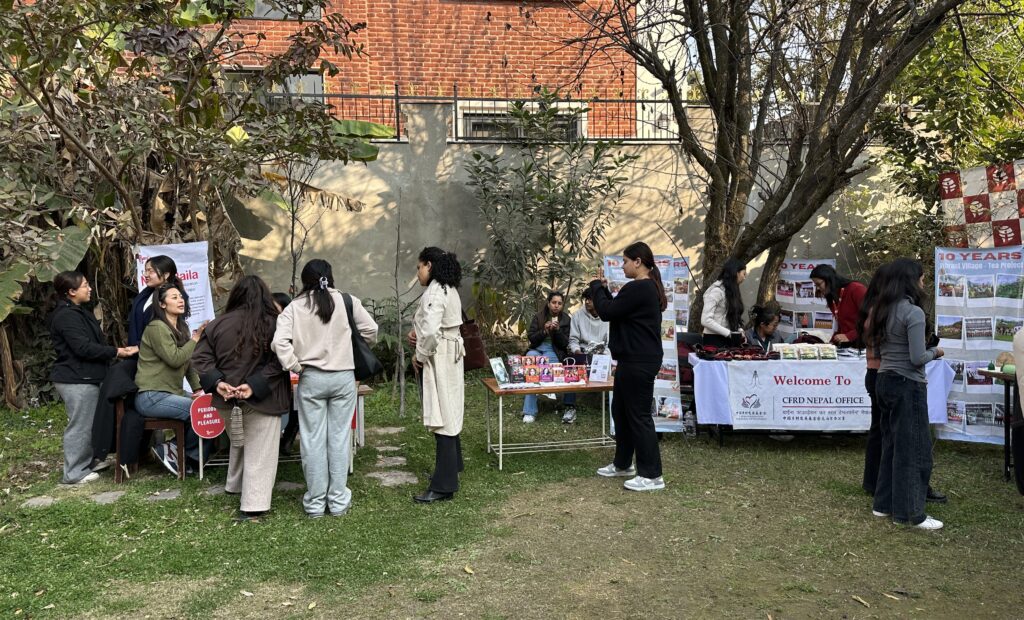
The event also featured stalls showcasing eco-friendly menstrual products and women-led initiatives, a photo wall highlighting stories from Jumla and Achham, open mic performances, and live painting sessions by artists Anamika Gautam and Deepmala Maharjan.
Organizers adopted a “Bring Your Own Mug” initiative to avoid plastic waste during the event.
According to the organizers, Mero Mahinawari Hariyo-II sought to create a safe and inclusive space for open conversations about menstruation among both menstruators and non-menstruators while promoting environmental responsibility. They said similar events are planned outside the Kathmandu Valley in the future to ensure sustainable menstrual health is accessible to all.