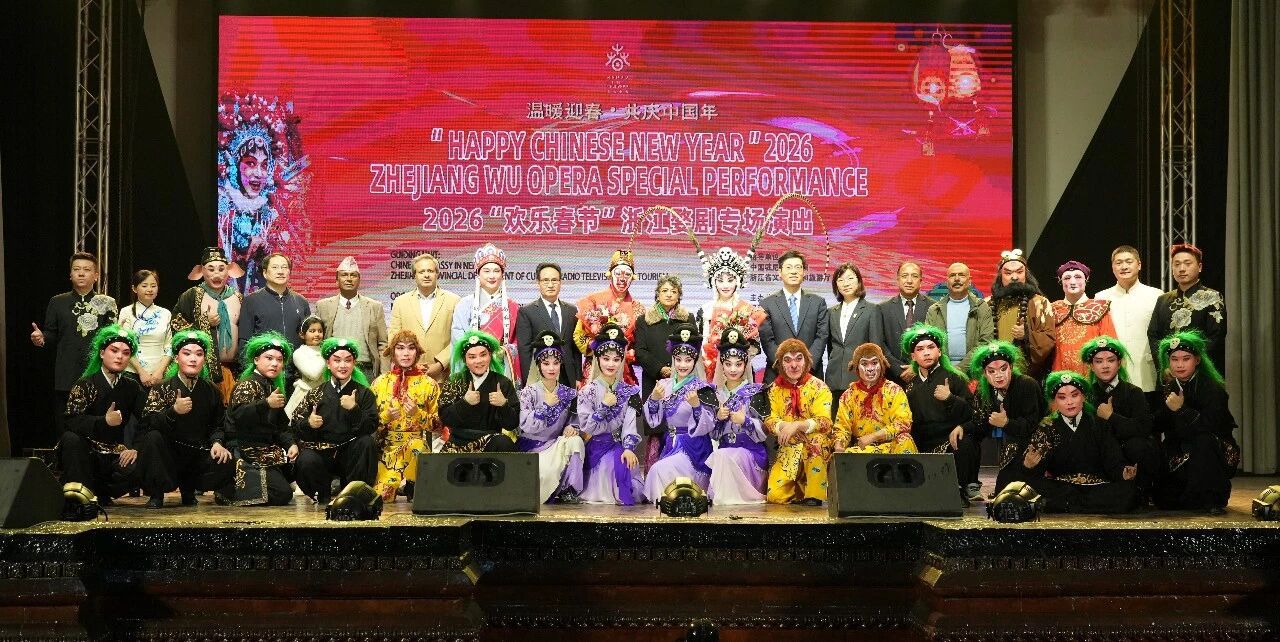
Photo Courtesy: Chinese Embassy in Nepal / Sunil Sharma
Kathmandu — Chinese New Year celebrations in Nepal were marked on Monday with two major cultural programs held in Kathmandu and Pokhara, drawing a combined audience of around 3,000 people.
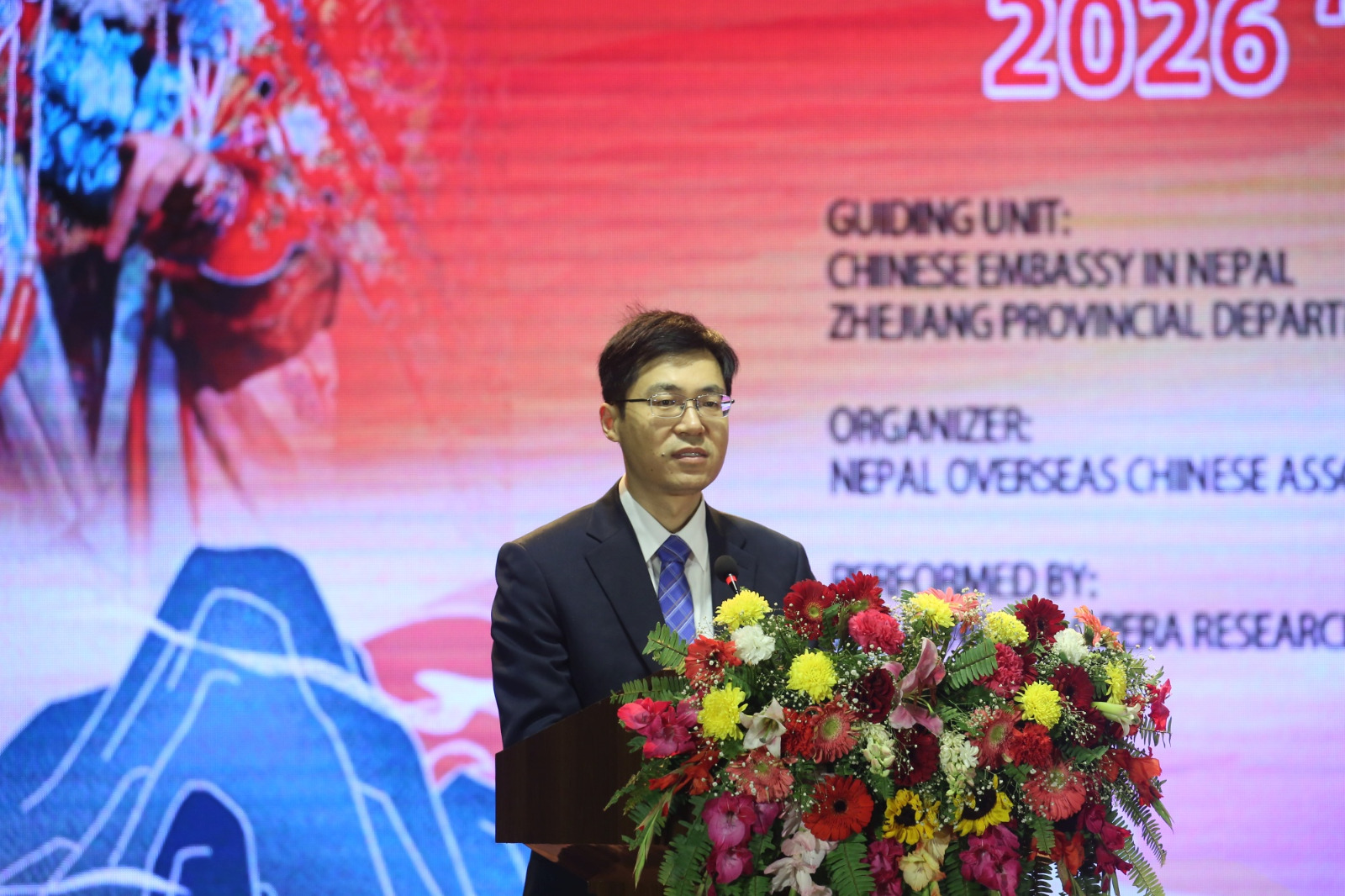
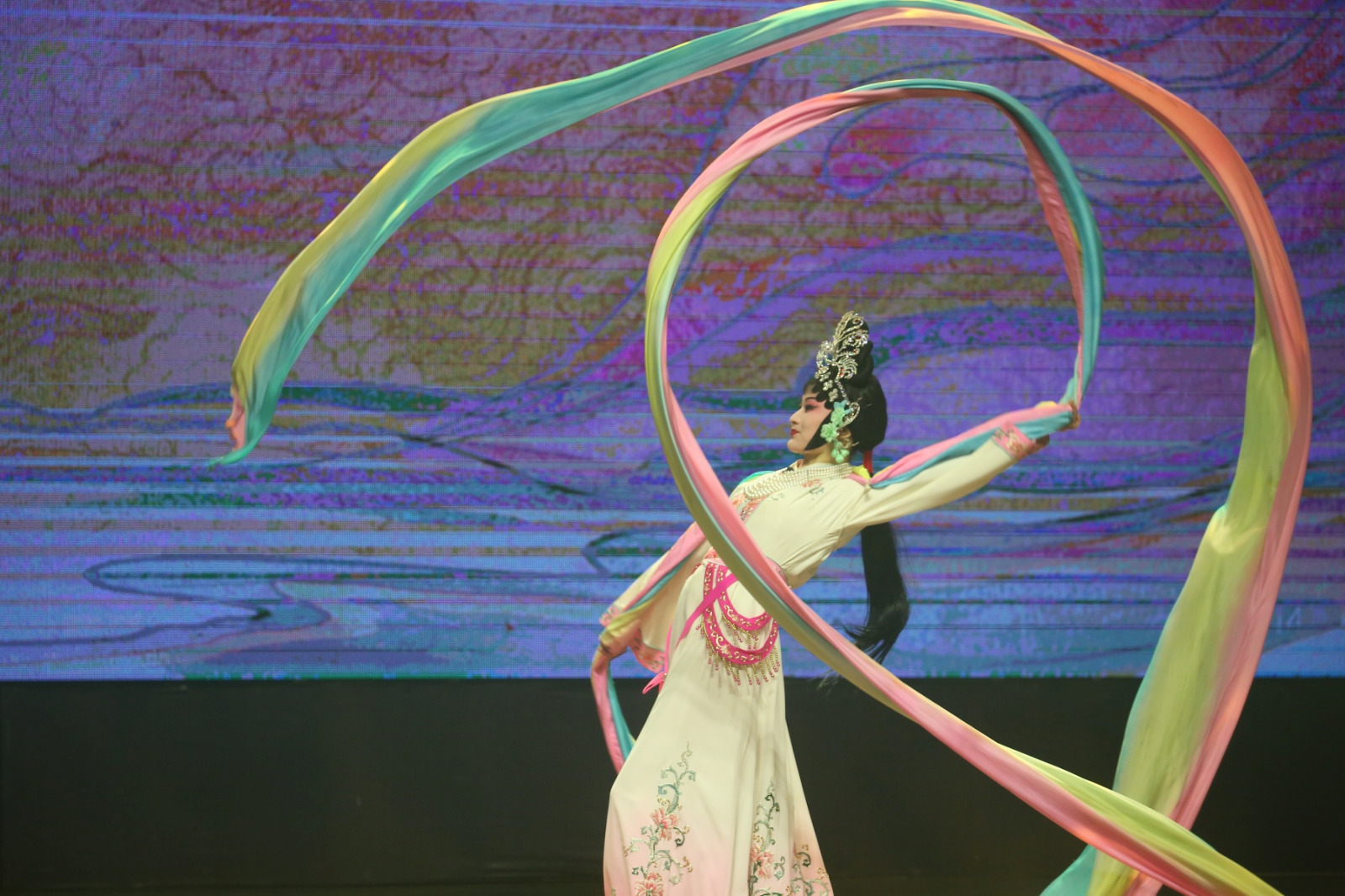
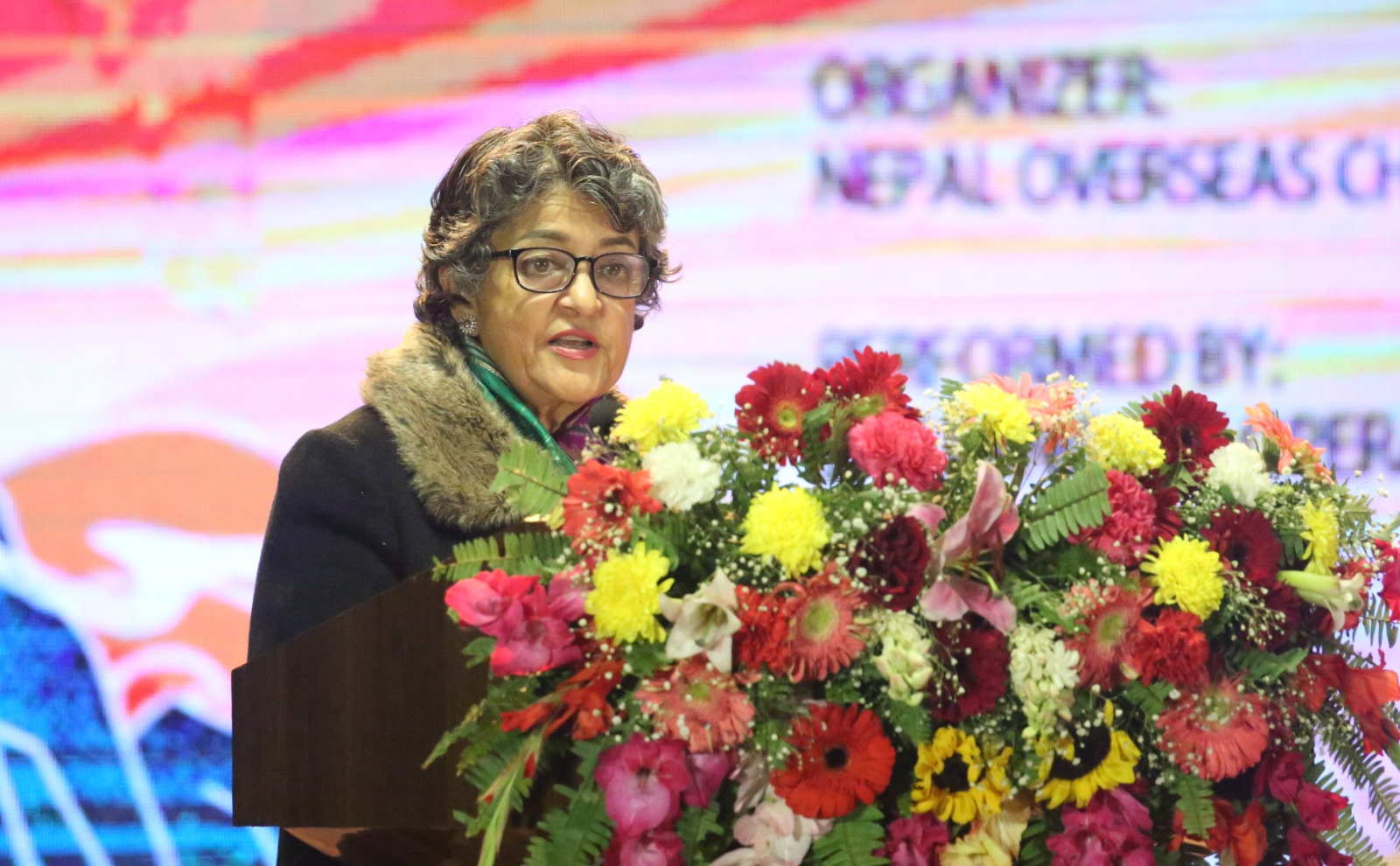
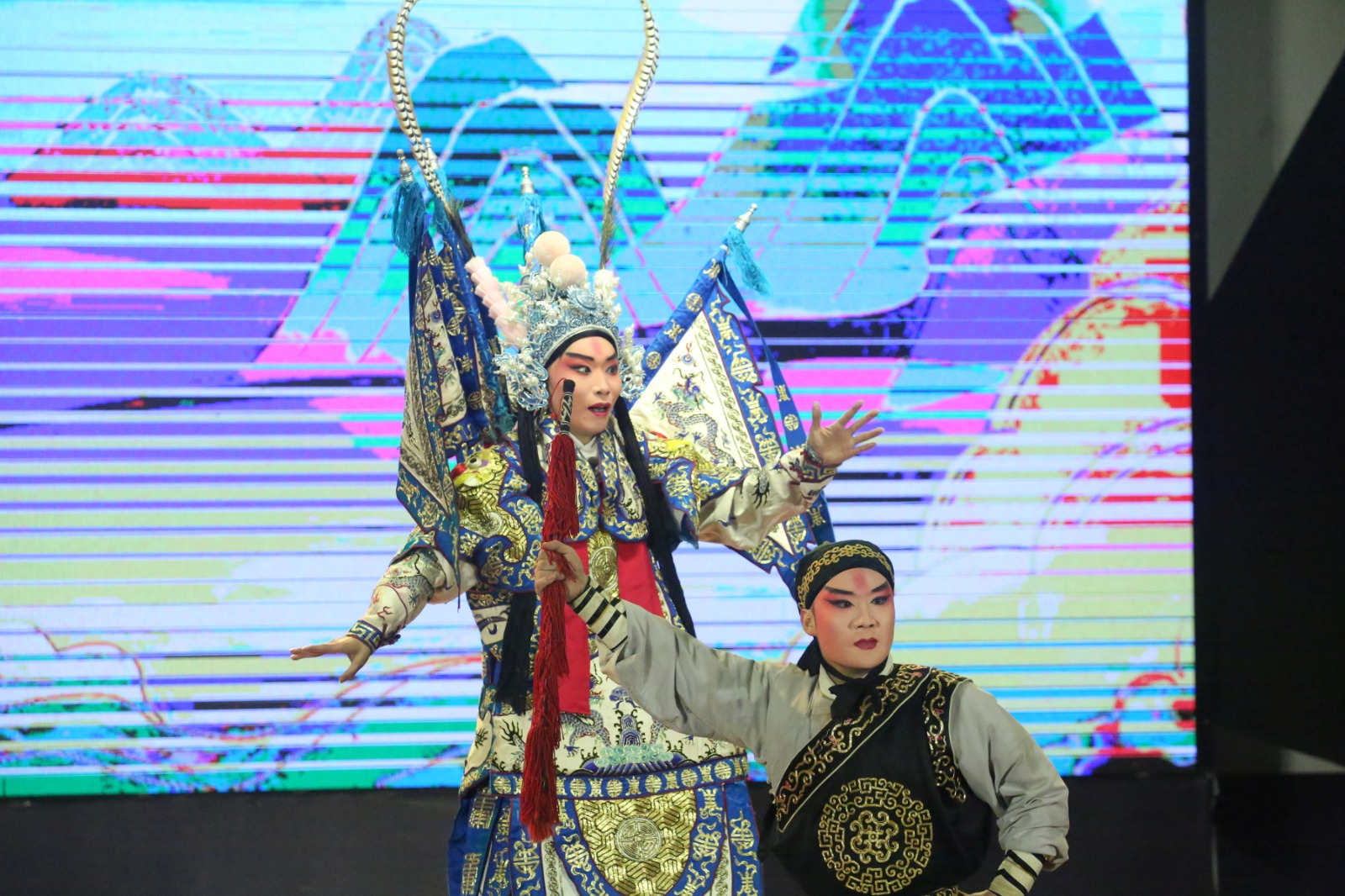
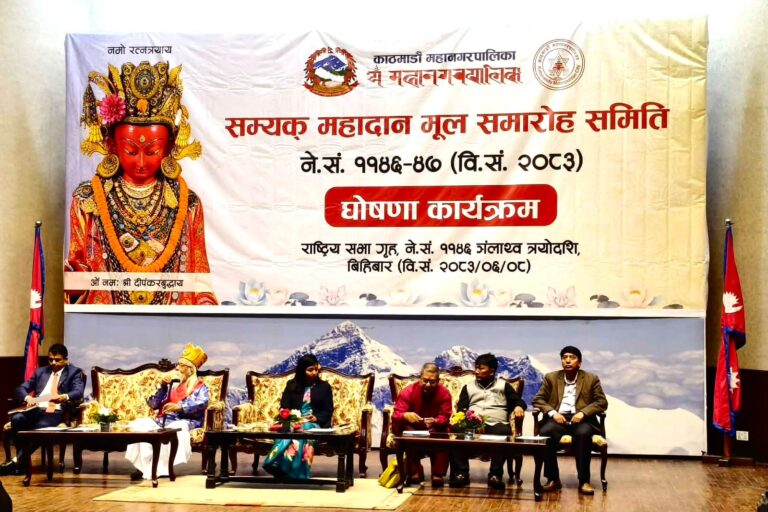
In Kathmandu, the 2026 “Happy Chinese New Year” Zhejiang Wu Opera special performance was successfully staged, highlighting the rich traditions of Chinese performing arts. Former Deputy Prime Minister and Foreign Minister of Nepal Sujata Koirala and Zhou Pan, Chargé d’Affaires of the Chinese Embassy in Nepal, addressed the audience on the occasion.
The event was attended by members of the overseas Chinese community, Nepali guests from various walks of life, and representatives of foreign diplomatic missions in Nepal. Extending New Year greetings, speakers emphasized that such cultural programs play an important role in promoting mutual understanding and cultural exchange, further strengthening the people-to-people “heart-to-heart connection” between Nepal and China.
Guided by the Chinese Embassy in Nepal and the Zhejiang Provincial Department of Culture, Radio, Television and Tourism, the program was hosted by the Zhejiang Wu Opera Research Institute in collaboration with the Nepal Overseas Chinese Association. Classic Wuju Opera pieces, including “Lu Bu Tests His Horse” and “Three Battles with the White Bone Demon,” were performed and received sustained applause from the audience.
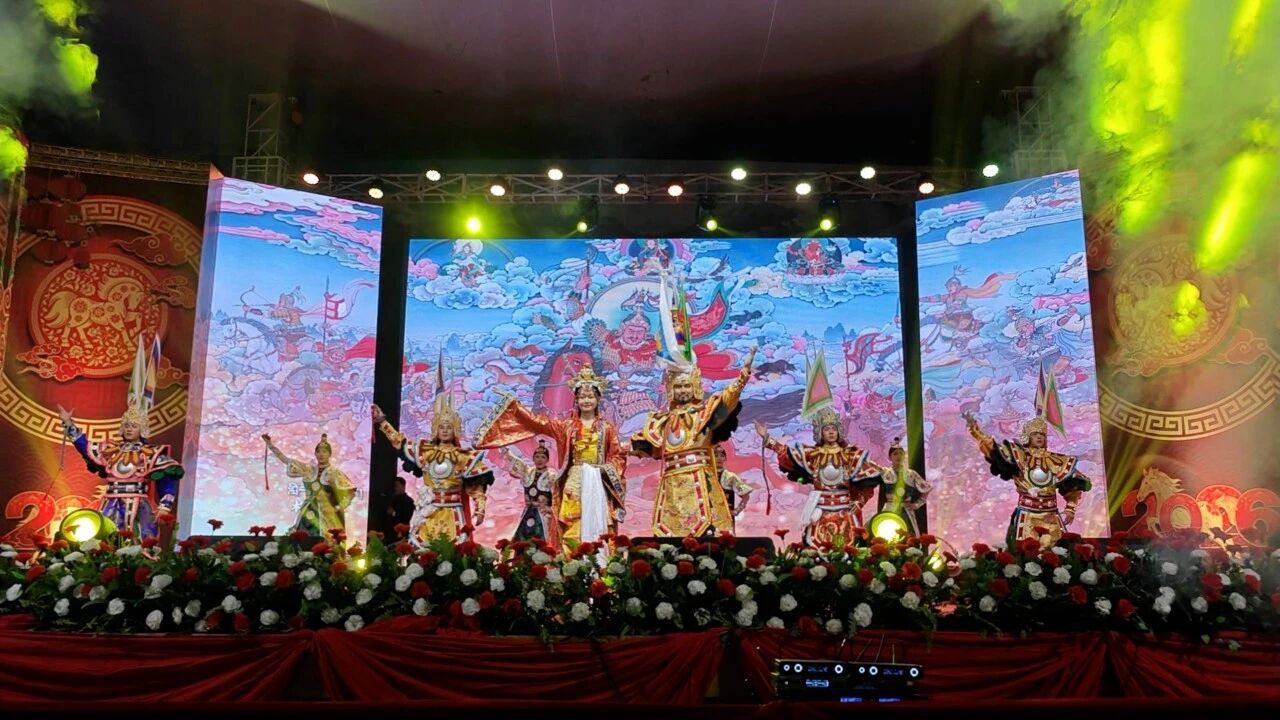
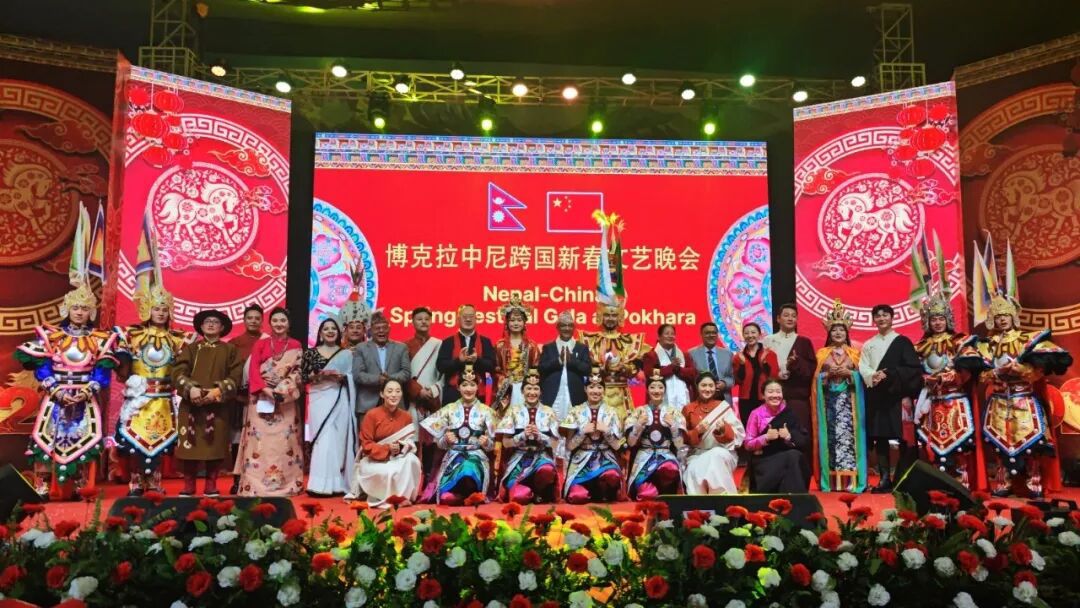
On the same day, a cross-border China–Nepal Spring Festival gala was held at Pokhara City Hall. The event was attended by Pokhara Metropolitan City Mayor Dhana Raj Acharya, Liu Zhengwei, Executive Director of the China Association for the Protection and Development of Xizang Culture, and Qin Wenci, Chief of the Consular Section of the Embassy of the People’s Republic of China in Nepal, among others.
The gala featured performances by the Guoluo Ethnic Song and Dance Troupe from Qinghai Province. Showcasing the unique charm of Xizang culture, the program included performances by inheritors of Chinese intangible cultural heritage through special presentations such as “The Blessing of Amnye Machen,” “River Source: Relic Dance,” and “Colorful Guoluo.” The performances reflected the depth and diversity of China’s traditional cultural heritage.
The program was met with thunderous applause throughout the evening, with audience members describing the performances as captivating. Many also expressed hopes for deeper cultural exchange and cooperation between Nepal and China to further strengthen the longstanding friendship between the two countries.