Kathmandu-With the start of the New Year, indigenous communities such as the Rajbanshi, Jatpuriya, and Gangai in eastern Nepal have begun celebrating the vibrant Siruwa festival. Observed for three days starting from Baisakh 1, the festival is being marked with great enthusiasm across indigenous settlements in districts like Jhapa, Morang, and Sunsari.
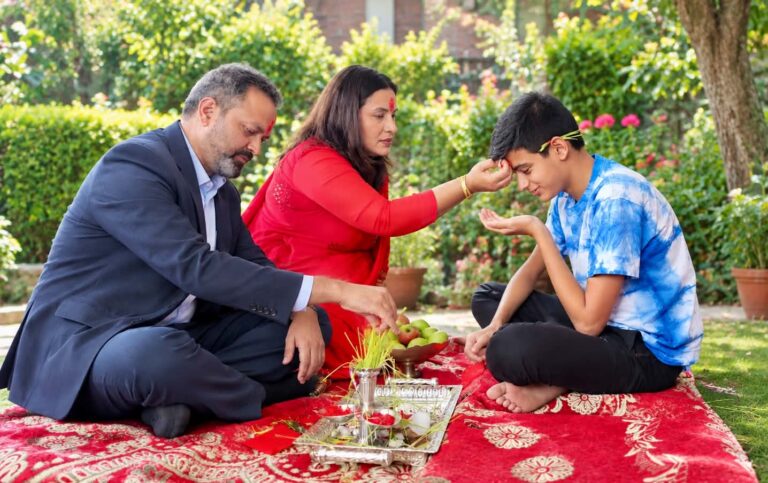
The first day of the festival is celebrated as “Pani Siruwa.” On this day, people splash water on each other as part of a joyful ritual believed to bring coolness, fresh energy, and positivity throughout the year. The day begins with younger individuals offering respect by pouring water on the feet of elders and receiving blessings, while elders place water on the heads of the younger ones as a symbol of goodwill and protection. After these rituals, communities come together to playfully drench each other in water.
According to senior Rajbanshi artist Dharma Prasad Rajbanshi, the tradition of water play reflects the belief that it brings renewal, vitality, and emotional freshness for the year ahead.
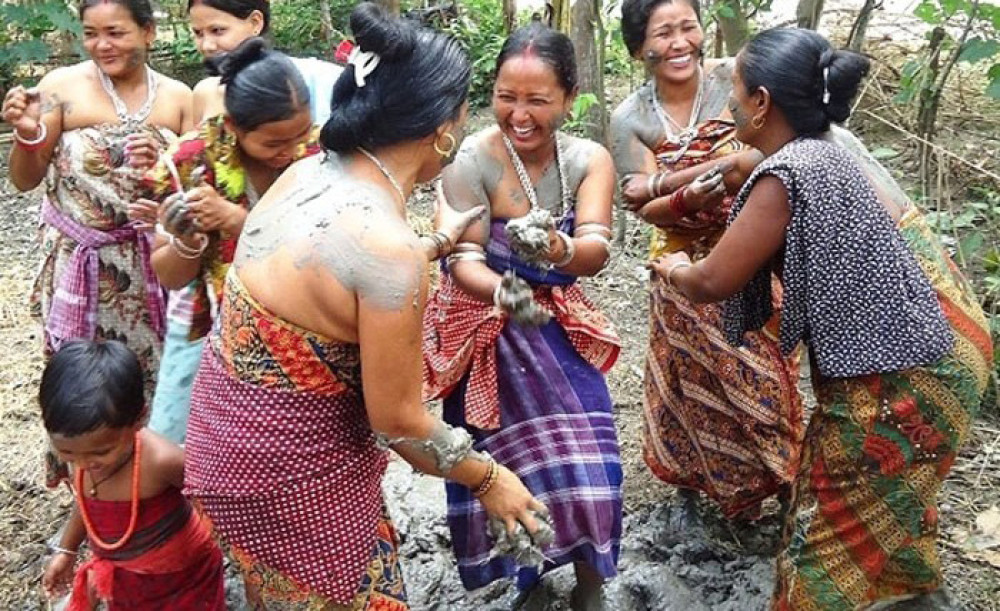
The second day, Baisakh 2, is observed as “Kaad Siruwa,” where people smear mud on one another in a lively celebration. The day begins with applying mud tika from elders before engaging in the mud festivities. On this day, the Rajbanshi community also performs rituals dedicated to their ancestral deities. Worship of the “Ghatosari” goddess is conducted near rivers or ponds, followed by evening prayers and traditional rituals believed to protect families from negative forces.
The third day, Baisakh 3, is celebrated as “Rang Siruwa,” where people apply colors to each other, symbolizing a wish for a vibrant and colorful life throughout the year.
Siruwa is considered the most important festival of the Rajbanshi community. On the first day, after playing Pani Siruwa, people traditionally enjoy foods like ghaji-muri (a mix of roasted grains and chickpeas), daler bari (lentil dumplings), and sat-saagi, a special dish made from seven types of vegetables harvested in the previous year.
On the occasion of Siruwa, fairs are also organized in indigenous-majority areas of Jhapa, Morang, and Sunsari. In recent years, cultural programs have increasingly become part of the celebrations. The Koshi Province government has declared a public holiday on Baisakh 2, while several local bodies in Jhapa have announced a holiday on the final day of the festival.