Kathmandu- The government has formally brought over-the-top (OTT) platforms under a legal and regulatory framework by amending the National Broadcasting Regulations, 1995, requiring both domestic and foreign digital streaming services operating in Nepal to obtain official permission.According to the amended regulations published in the Nepal Gazette on Monday, OTT service providers and digital programme distributors will now have to secure licences before broadcasting content in the country. The move marks the first time that internet-based streaming platforms have been brought under a clear legal framework in Nepal.
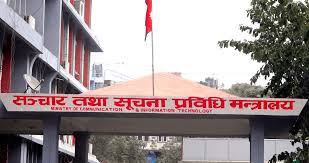
The Ministry of Communications and Information Technology introduced the changes in response to the rapid growth of digital media and the increasing popularity of OTT services, which had so far operated without specific regulations.The amendment incorporates OTT and digital broadcasting systems into various schedules of the National Broadcasting Regulations. Under the revised provisions, foreign OTT programme providers and digital content distributors will be required to obtain downlink permission before transmitting content in Nepal.
Officials say the absence of a dedicated legal framework had complicated issues related to regulation, taxation, content monitoring and competition with traditional broadcasters. The new provisions are expected to place OTT services on an equal regulatory footing with other broadcasting platforms.The amended regulations also specify licensing fees for different categories of digital broadcasting services. Foreign programme producers seeking to downlink OTT content in Nepal will be required to pay Rs1 million per platform. Signal distribution of approved foreign OTT programmes will carry a fee of Rs2.5 million per platform, while the licence fee for operating an OTT broadcasting service has been fixed at Rs10 million.
Similarly, the government has set a fee of Rs500,000 for obtaining franchise rights or approval for the live transmission of foreign programmes. An online radio operation licence will cost Rs50,000.
With the growing use of digital streaming services in Nepal, the government believes the new framework will improve transparency in content distribution, strengthen regulation in line with domestic laws, enhance tax compliance and protect consumer rights.OTT, or over-the-top platforms, are internet-based services that provide users with audio, video and other digital content directly, bypassing conventional cable, satellite and broadcast television systems. Popular examples include Netflix, YouTube and Amazon Prime Video, which offer on-demand content through smartphones, smart televisions, tablets and computers.