Kathmandu – The Kathmandu Metropolitan City is set to organize Samyak Mahadan, a major Buddhist almsgiving festival, at Swayambhu’s BhuiKhel on Magh 1, 2083 (January 15, 2027) reviving a centuries-old tradition that has not been held in Kathmandu for 22 years.
The festival, traditionally held every 12 years, was last organized in Kathmandu in 2061 BS. The metropolitan city said it will work with local communities and stakeholders to revive the ancient cultural and religious practice.
A 301-member Samyak Mahadan Main Celebration Committee has been formed under the leadership of KMC Acting Mayor Sunita Dangol as chief coordinator and Prof. Dr Naresh Man Bajracharya as coordinator. The committee includes five co-coordinators, 37 office bearers and representatives of various cultural and community organisations.
Thirteen subcommittees have also been formed to implement the decisions of the main committee and oversee preparations for the festival.
Samyak Mahadan is traditionally observed over two days. The first day is held at Hanuman Dhoka, while the main ceremony takes place at Swayambhu’s BhuiKhel on the second day.
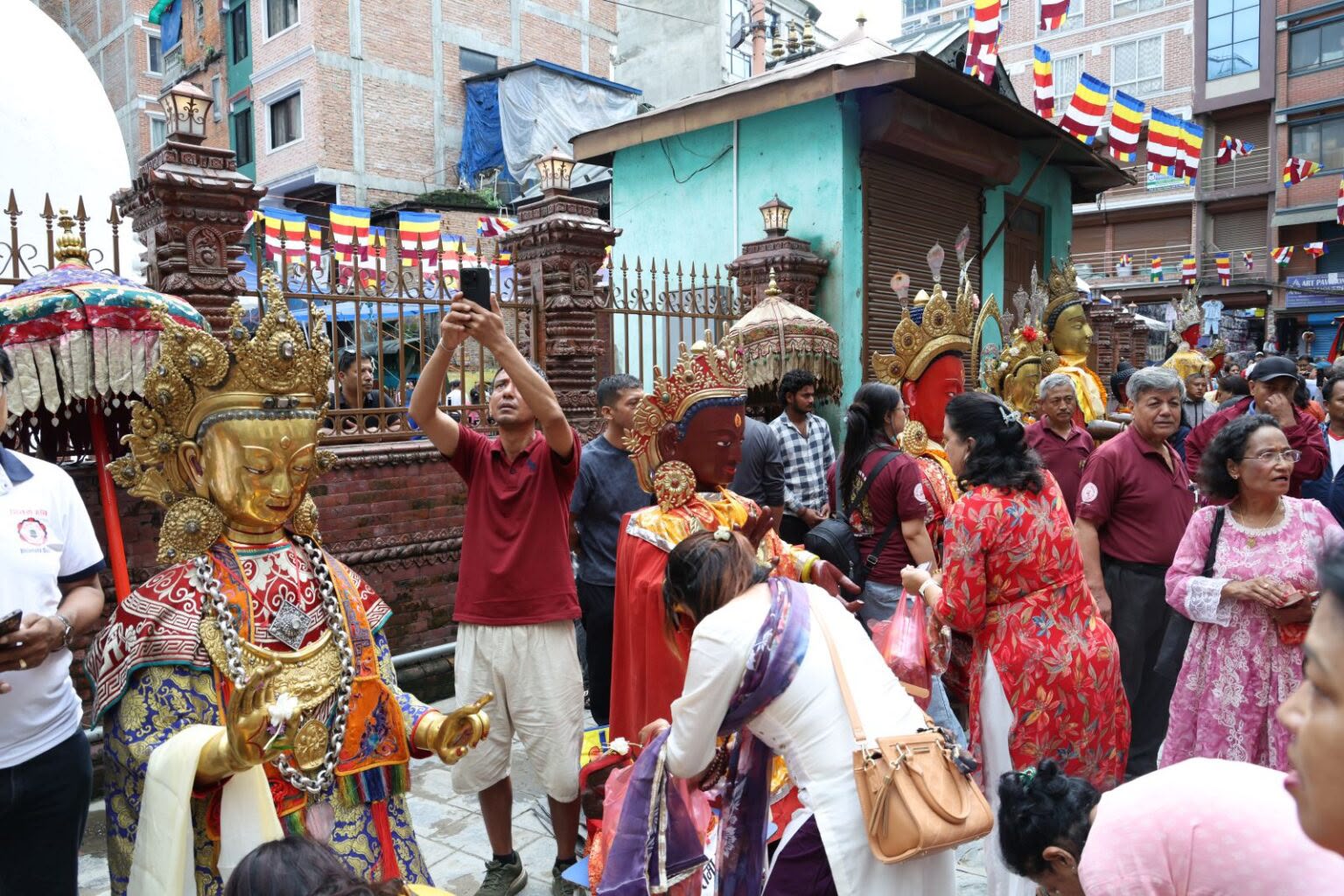
Considered one of the most important and elaborate Buddhist donation ceremonies in the Kathmandu Valley, Samyak Mahadan brings together Dipankara Buddha images, Buddhist deities, temples and members of the Buddhist Sangha for worship and offerings.
According to Buddhist tradition, dana, or generosity, is one of the fundamental teachings and practices associated with the Buddha. Nepal has a long tradition of Buddhist donation festivals, including Panchadan and other forms of periodic and voluntary almsgiving.
Samyak Mahadan is regarded as the most significant, demanding and rare among these traditions. The ceremony requires extensive preparations, resources and participation, including inviting Dipankara Buddha images and deities from major Buddhist shrines and offering religious items and donations to members of the Buddhist community.
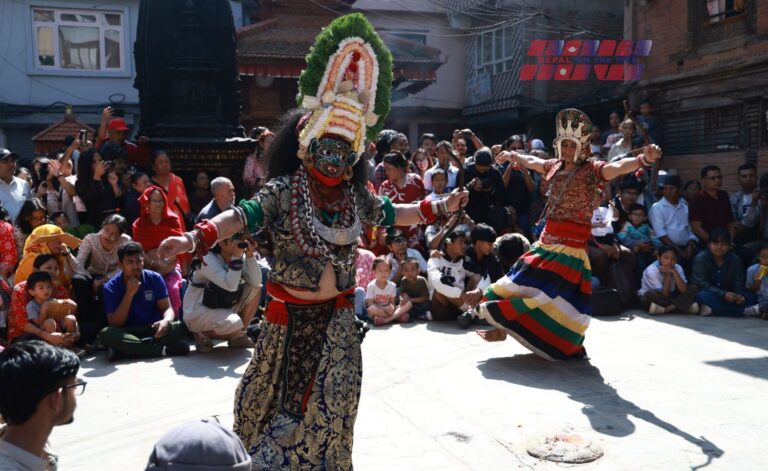
The festival’s large Dipankara Buddha images, displayed in procession, are among its major attractions. The gathering of numerous Buddhist deities and devotees at a single venue, along with elaborate offerings and rituals, gives the festival distinctive cultural significance.
Organizers describe Samyak Mahadan as an important part of Kathmandu’s cultural identity and an example of collective community participation in the Kathmandu Valley. They said the festival, once regarded as a symbol of the city’s cultural prosperity, has gradually fallen into a dormant state because of the difficulty and cost involved in organizing it.
The revival is therefore being presented as an effort to safeguard and revitalize an important form of living intangible cultural heritage.
The organizers also said prayers during the forthcoming festival would include wishes for relief from suffering and disaster, particularly for communities affected by the recent floods in Rasuwa, and for peace and a good afterlife for those who lost their lives.
The committee has appealed to Kathmandu residents, devotees and cultural stakeholders for support and cooperation in organizing the festival.