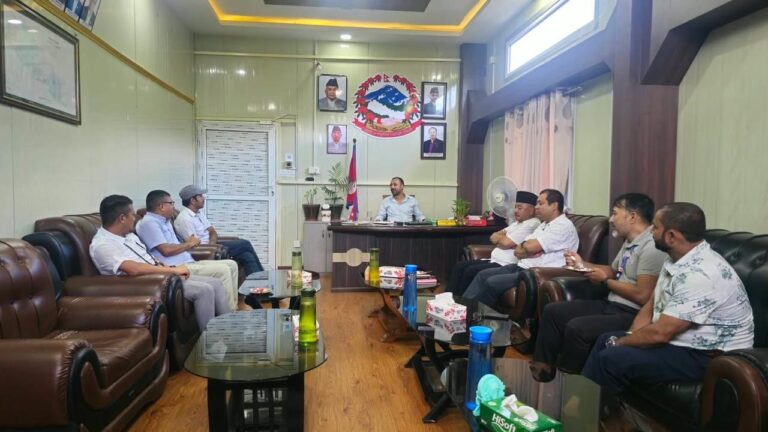
Kathmandu – Culture, Tourism and Civil Aviation Minister Khadak Raj Paudel (Ganess) has emphasized stronger inter-ministerial coordination, institutional capacity building and continued cooperation with the private sector to accelerate Nepal’s tourism development.
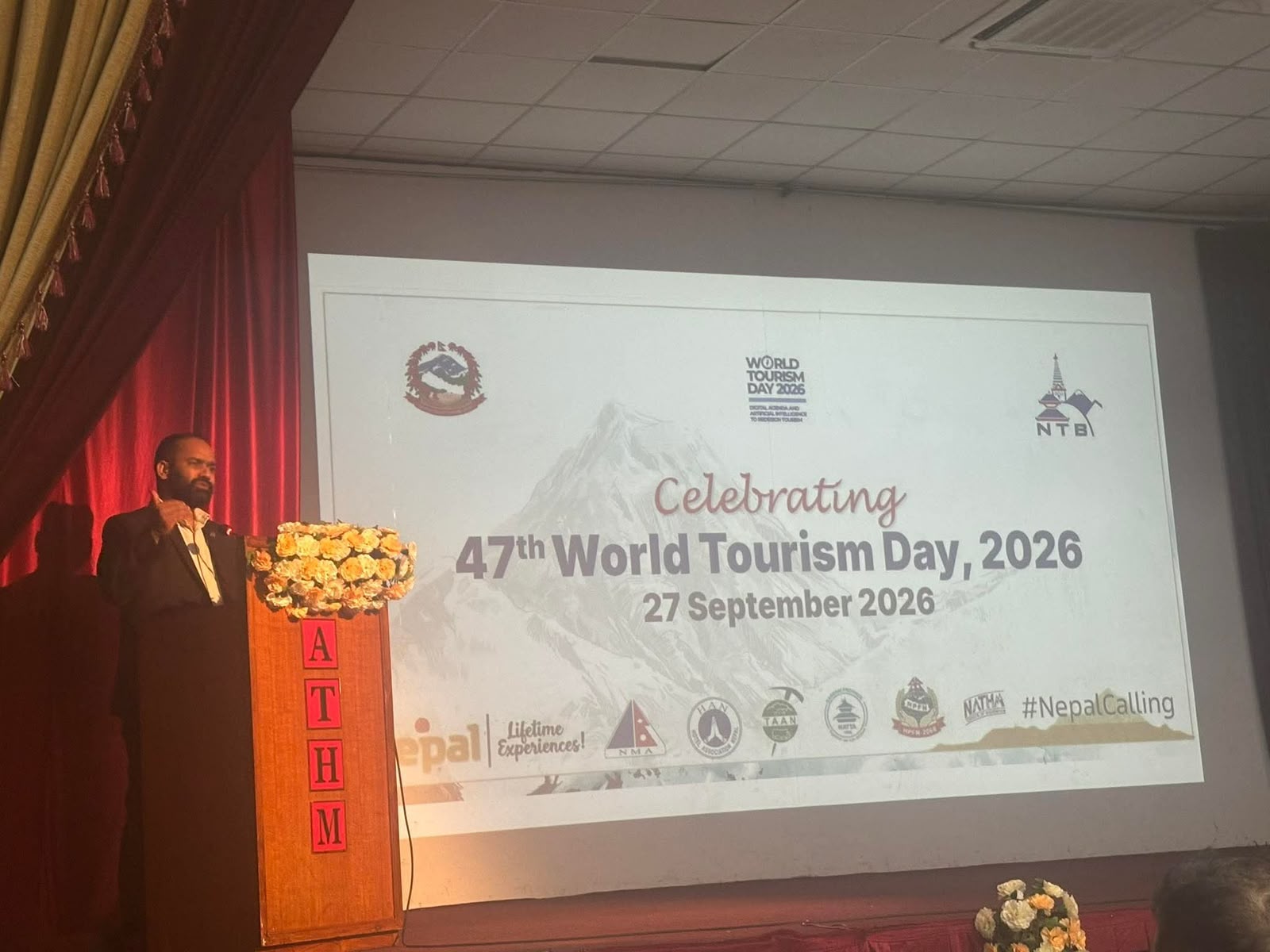
Speaking at an event organized in Kathmandu to mark the 47th World Tourism Day, Minister Paudel said tourism development could not be advanced through the efforts of a single ministry. He stressed the need for effective coordination among government agencies and stronger collaboration with the private sector.
The government is also working to enhance the capacity of tourism-related public institutions and strengthen their service delivery in line with the changing tourism landscape, Paudel said. His current position as Tourism Minister is independently documented by recent government and tourism-sector sources.
Focus on Culture, Heritage and Sustainable Tourism
Paudel highlighted Nepal’s distinctive culture, traditions, community festivals and cultural practices as important foundations of the country’s tourism industry.
He said the preservation and promotion of traditional community festivals and cultural activities passed down through generations should be integrated into tourism development.
The minister also described the Himalayas as a vital natural heritage, noting that rivers originating in the mountains support the livelihoods of millions of people across the region. He stressed the need to balance Himalayan conservation with sustainable tourism development.
Paudel also said suggestions from the private sector would be important in addressing shortcomings in existing tourism laws and regulations. He said the government would consider practical recommendations from tourism businesses while undertaking policy and legal reforms.
Digital Technology and AI in Tourism
The event also focused on this year’s international World Tourism Day theme, “Digital Agenda and AI to Redesign Tourism,” with discussions on the growing role of digital technology and artificial intelligence in Nepal’s tourism sector.
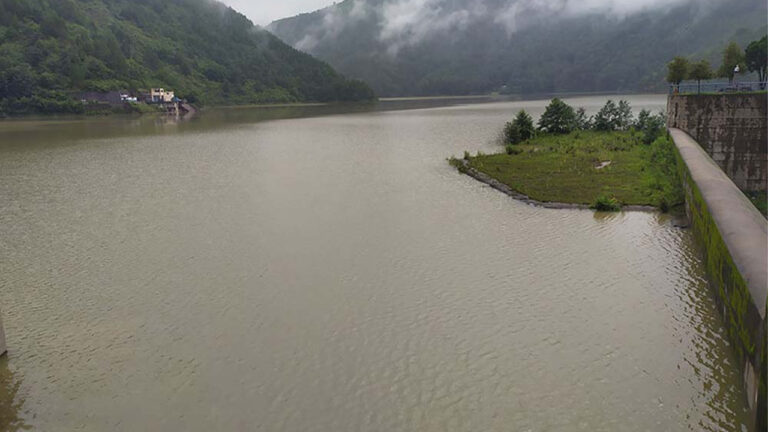
Nepal Tourism Board Acting Chief Executive Officer Santosh Pant said lessons from the recent Bhotekoshi floods should be incorporated into the use of digital technology for tourism safety and resilience.
The floods damaged regular access routes and accommodation facilities toward Langtang, directly affecting tourism activities. Pant emphasized that safe infrastructure, timely information, alternative access routes and effective disaster preparedness are increasingly essential for the sector.
He said digital systems could help keep tourists updated about travel conditions, provide early risk information and facilitate coordination during emergencies.
Digital platforms can also help promote destinations with accurate and timely information while providing potential visitors with reliable, personalized information from the initial travel-planning stage through their journey to the destination.
The Bhotekoshi disaster has had a significant impact on Nepal’s tourism sector. A recent rapid assessment estimated tourism-related losses at Rs 52.67 billion, with damage reported to tourism infrastructure, hotels, transport access, trekking routes and businesses.
PATA Foundation Pledges Support
Andrew Jones, Chairman of the PATA Foundation, highlighted Nepal’s geographical and cultural diversity and pledged continued support for tourism recovery following the Bhotekoshi floods.
He said AI and digital media are becoming increasingly important tools for supporting nature-based tourism.
Jones also said the PATA Foundation is operating a Nepal Tourism Recovery Fund to support tourism workers, guides, drivers, porters and tourism businesses affected by the Bhotekoshi floods.
Other speakers, including National Planning Commission member Prof. Dr. Sanjay Acharya and members of the House of Representatives’ International Relations and Tourism Committee, discussed the use of technology in tourism, employment protection, strengthening Nepal Airlines and ensuring tourists receive verified and reliable information.
Committee Chair Sumnima Udas was also present at the event.
New Tourism Promotion Campaign and Village Destinations
The Nepal Tourism Board also unveiled a new promotional audiovisual campaign aimed at promoting Nepal’s tourism destinations.
On the occasion, VITOF-Nepal announced three villages as “Village Destinations of the Year.” Minister Paudel presented certificates to representatives of the selected villages.
According to the board, the initiative aims to bring rural tourism, local culture and communities into the mainstream of Nepal’s tourism industry.
World Tourism Day is observed annually on September 27. This year’s observance places particular emphasis on using digital technology and artificial intelligence to support tourism recovery, service delivery, information management, promotion and tourism management.