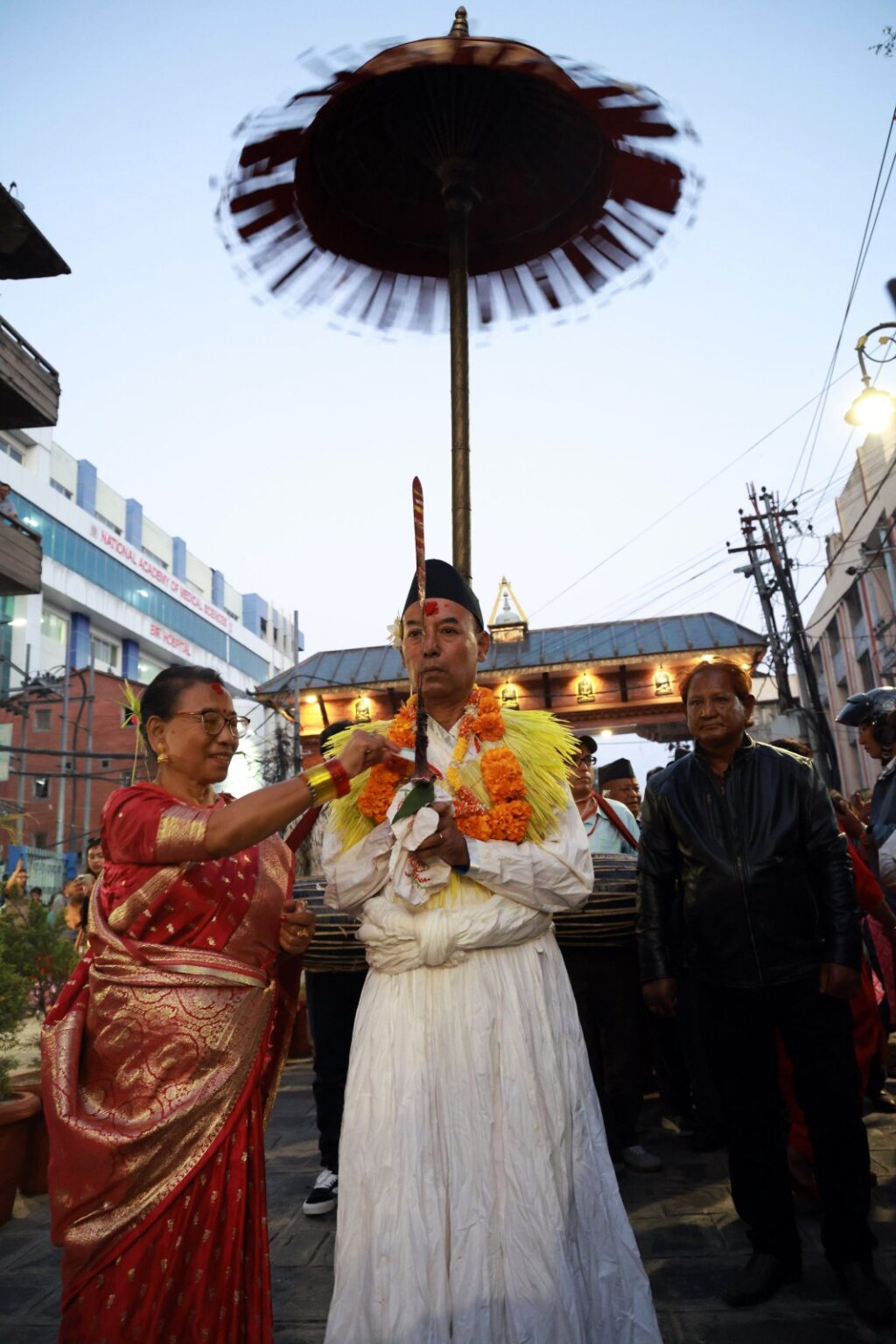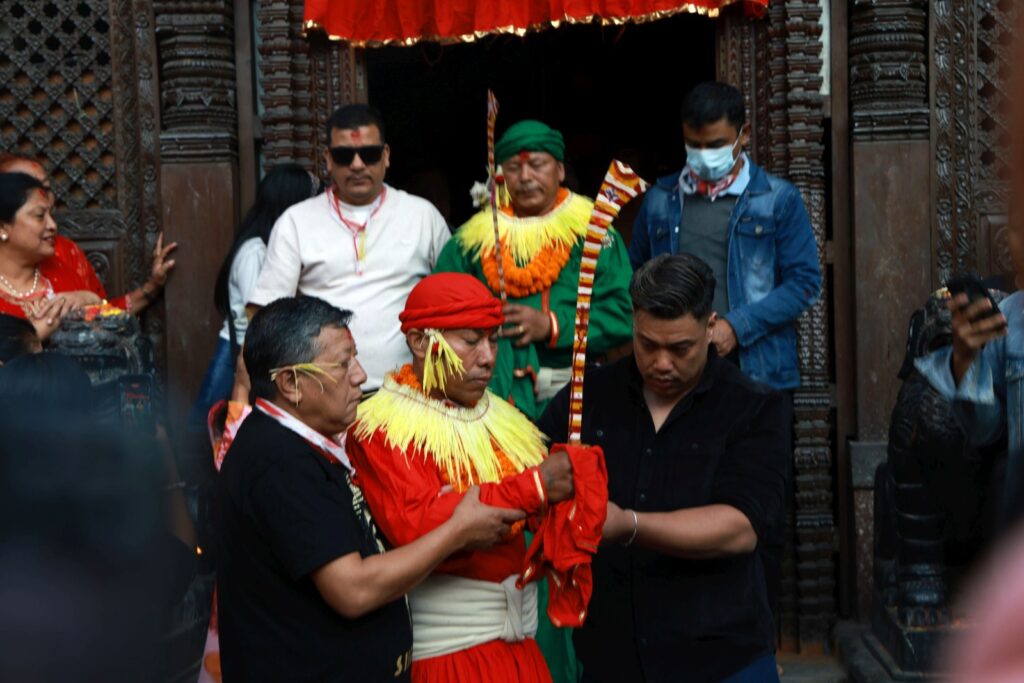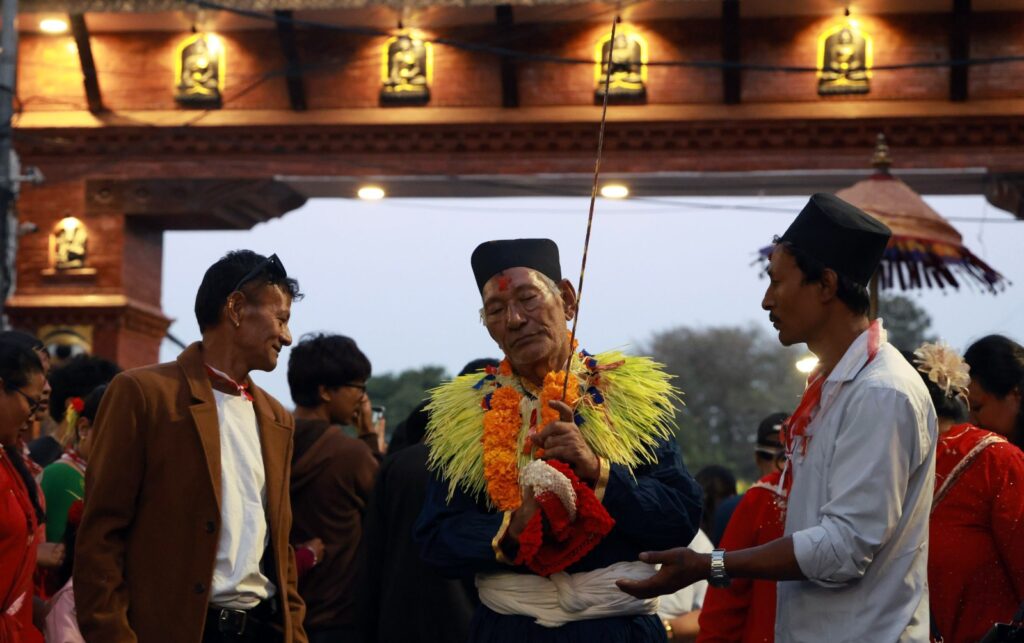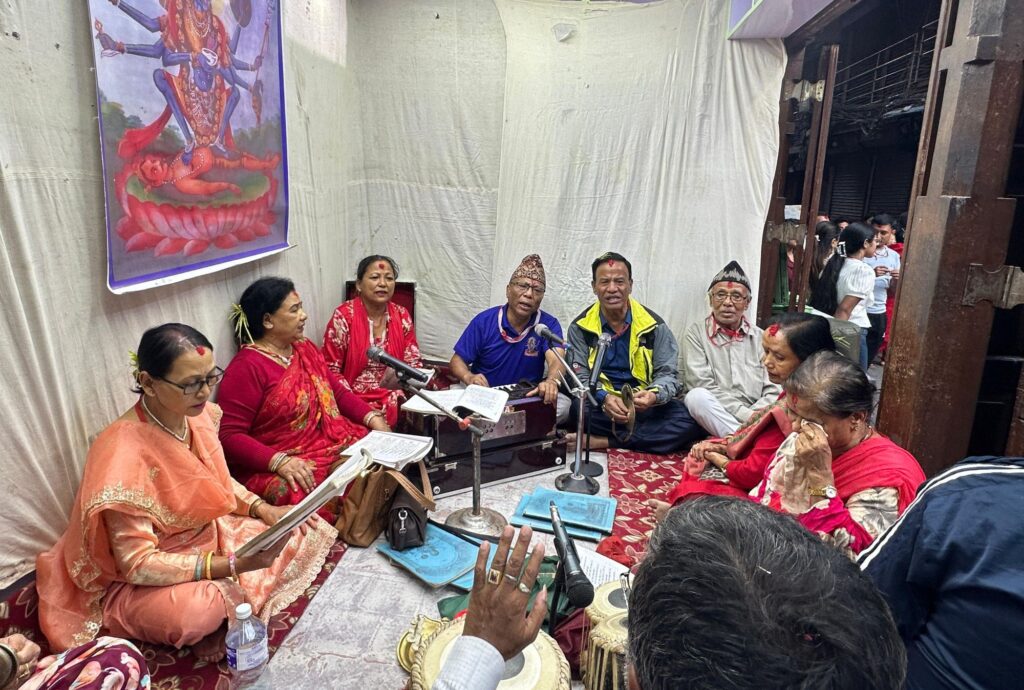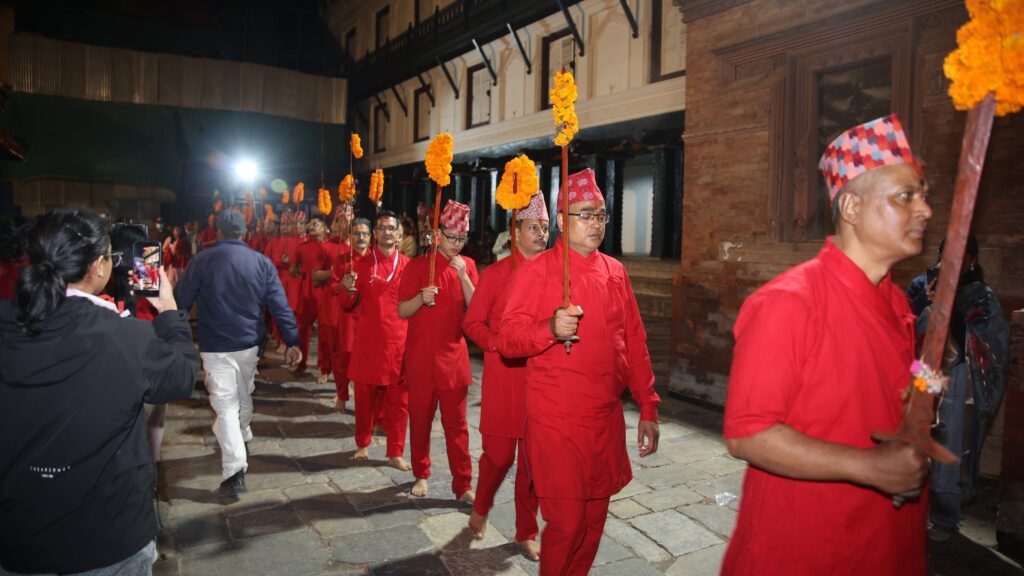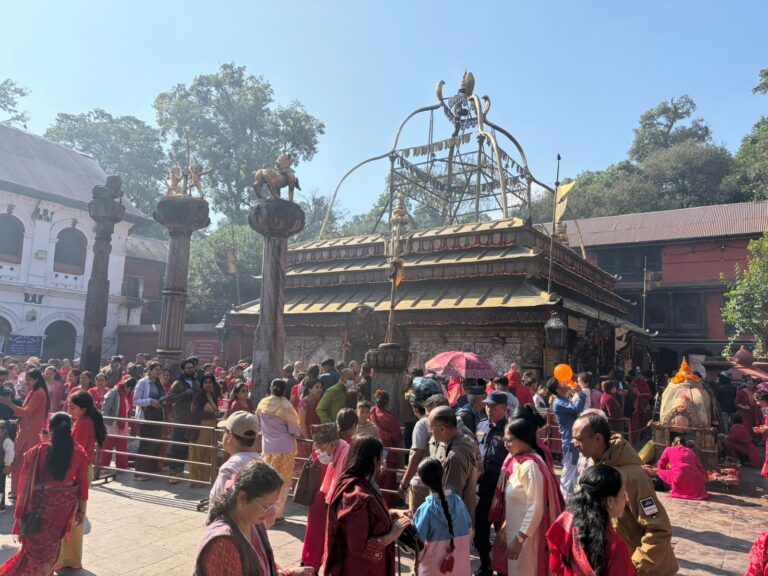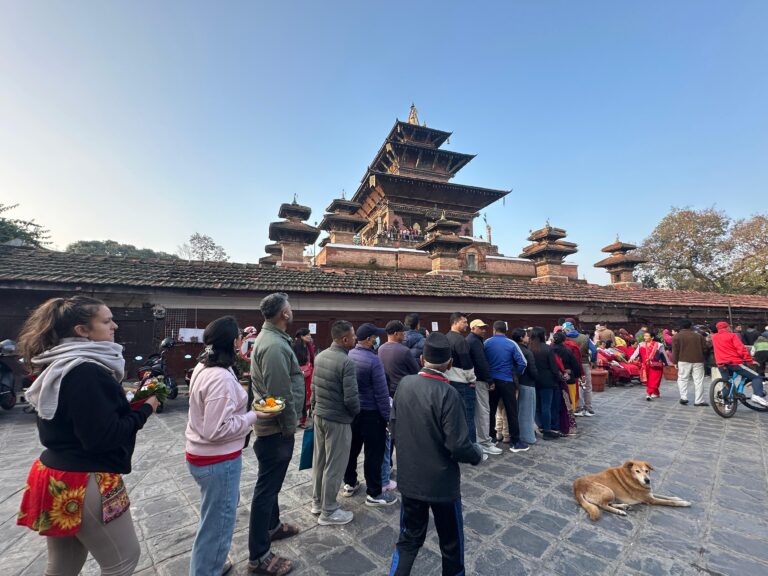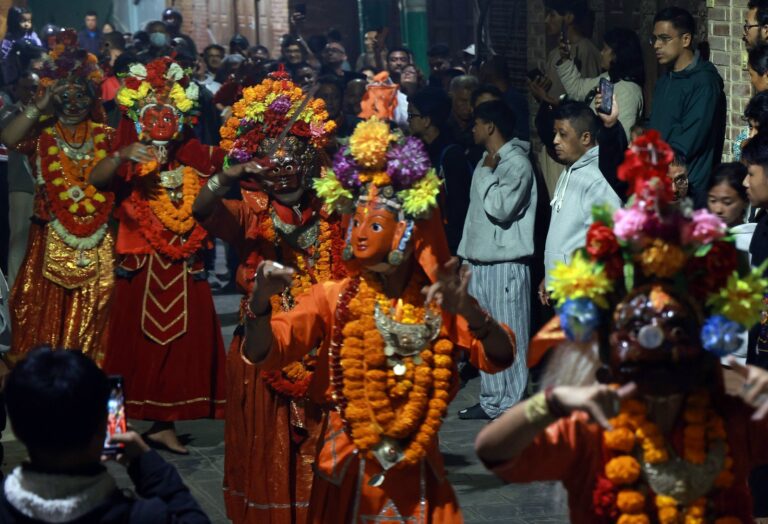
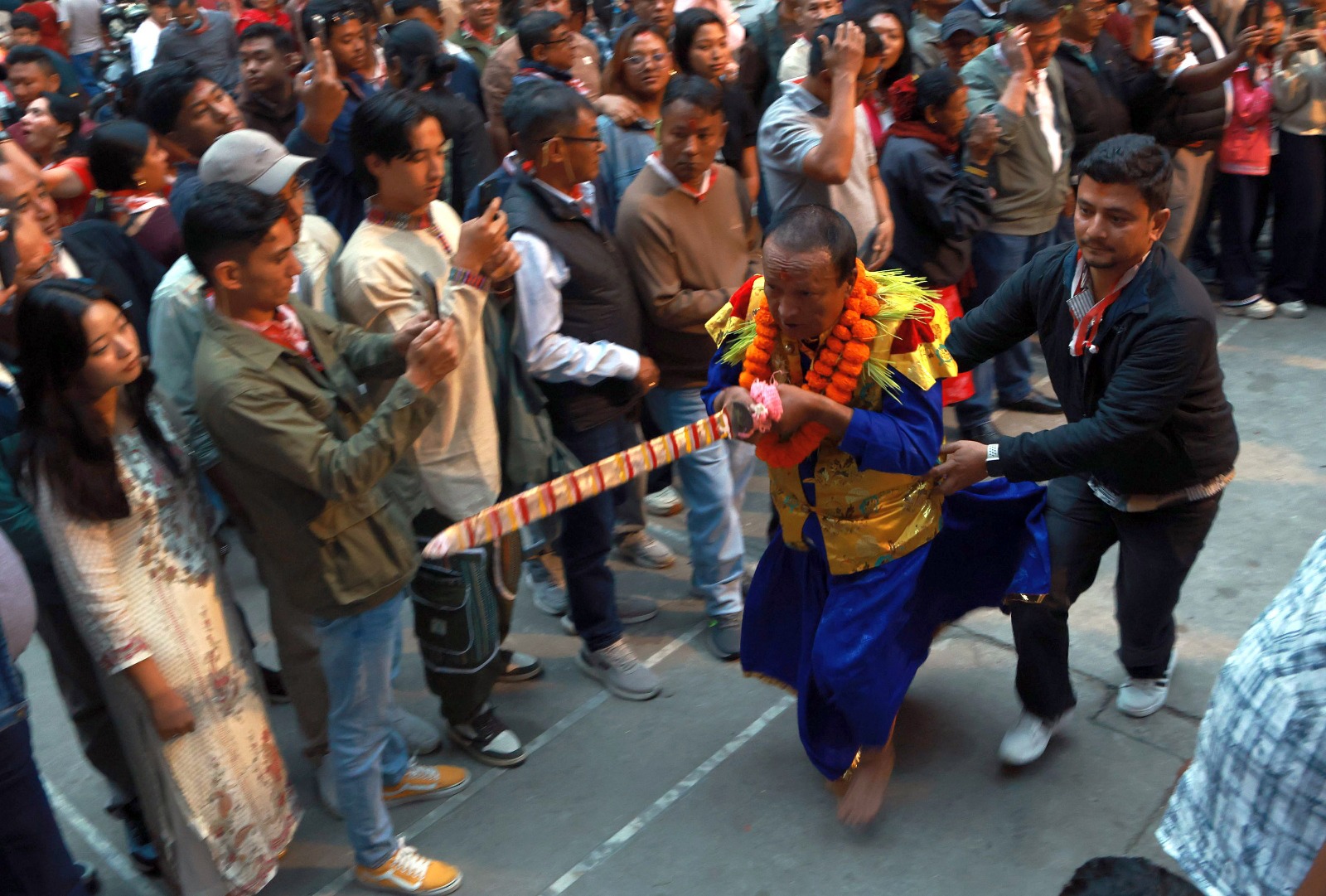
Kathmandu — The Newar community celebrated Pāyā Jātrā, a traditional sword procession, in Kathmandu Valley and various other districts of Nepal on Wednesday, marking the victory of good over evil during the Dashain festival.
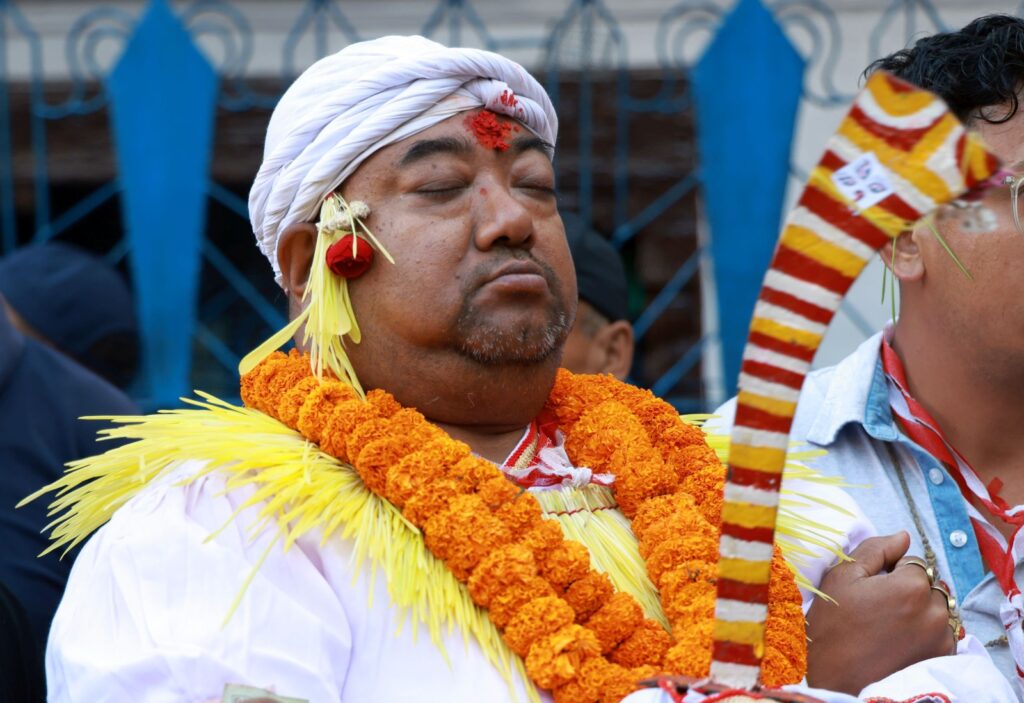
The term ‘Pā’ refers to a sword, while ‘Yā’ means a procession or journey. Also known as Khadga Jātrā, the ritual is observed on Bijaya Dashami and Ekadashi in different parts of the Kathmandu Valley, with local customs varying by place.
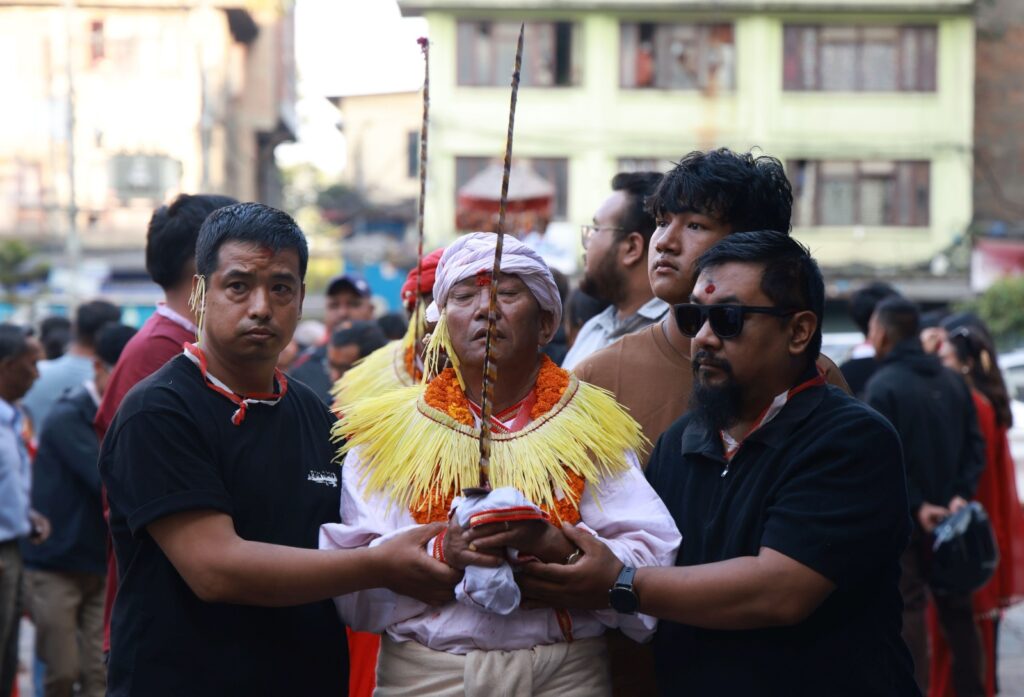
During the procession, participants perform tantric rituals at Shaktipeeths, or sacred shrines dedicated to powerful deities, before taking up ceremonial swords and parading through their neighbourhoods. The procession concludes with participants striking a pumpkin with their swords. The pumpkin represents evil or demonic forces, and its symbolic cutting signifies the triumph of righteousness over evil.
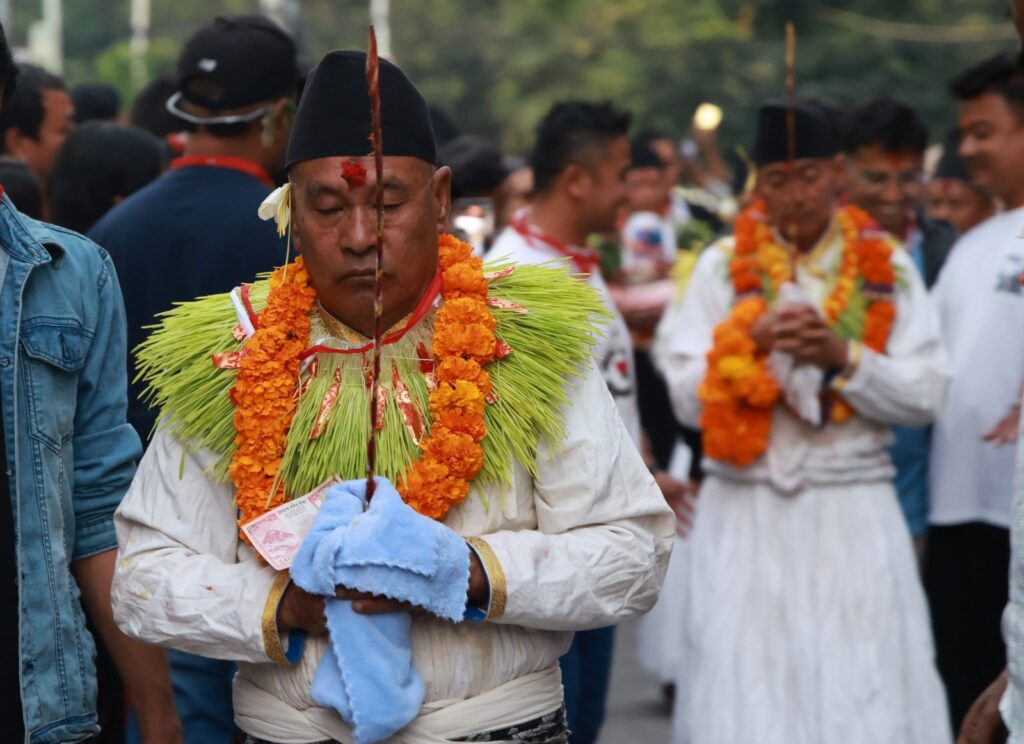
In Kathmandu, sword processions are organised from several traditional shrines and localities, including Te Bahal, Bato, Kohiti, Yetkha, Mahabauddha, Kilagal and the Taleju Bhawani temple area. The processions honour the deities worshipped at these sacred sites and preserve centuries-old Newar religious traditions.
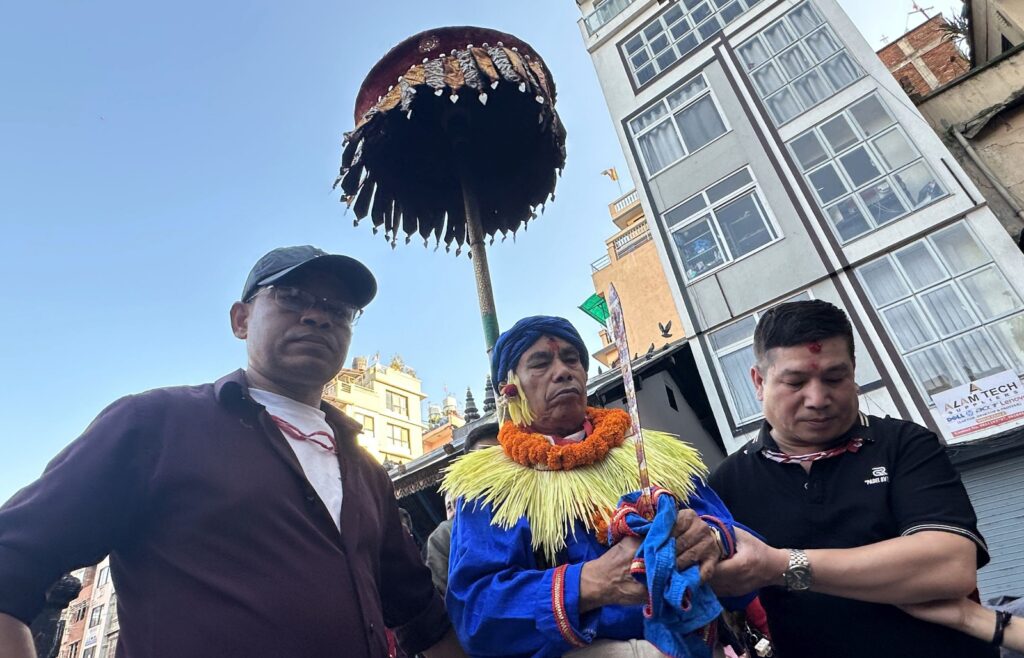
In Lalitpur, the ritual is observed on Nawami and around midnight on the day of tika, while a midnight sword procession is also held at the Taleju temple in Bhaktapur. In Kirtipur, women take part in a distinctive version of the procession, carrying containers of vermilion powder instead of swords as they circle the town.
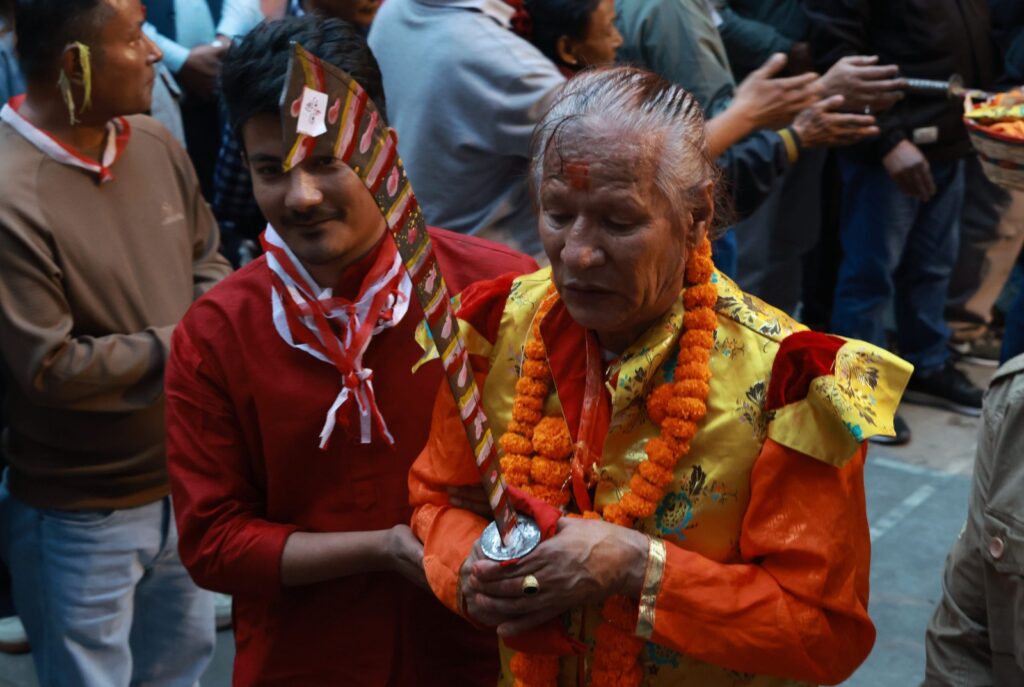
The festival is also observed in Tokha, Dolakha, Bungamati in Lalitpur and Thimi in Bhaktapur.
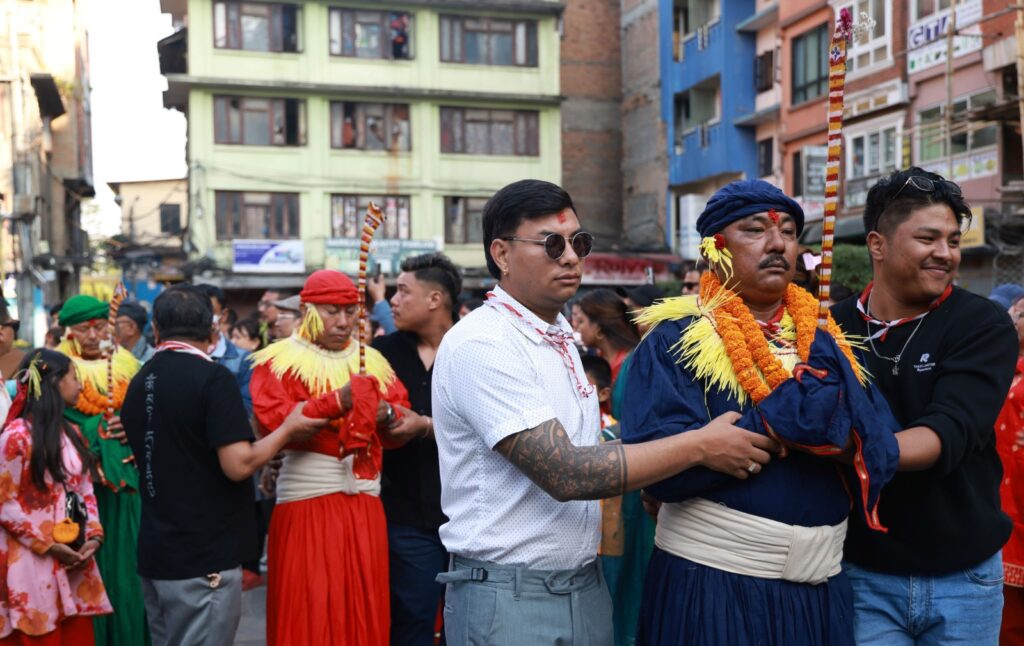
Rooted in Newar cultural and religious traditions, Pāyāḥ Jātrā combines tantric worship, sacred processions and symbolic rituals, passing an important part of Nepal’s intangible cultural heritage from one generation to the next.