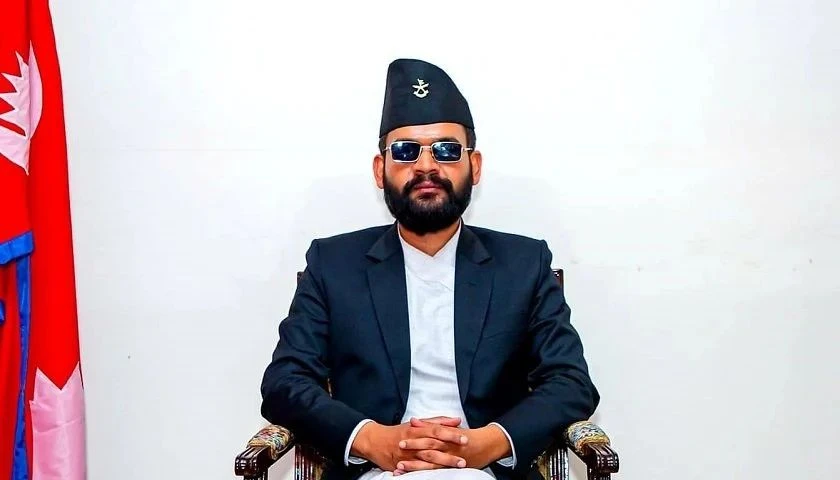
Kathmandu – Prime Minister Balendra Shah is scheduled to depart for New Delhi on Sunday, November 22, for a two-day state visit to India at the invitation of Indian Prime Minister Narendra Modi. The visit is his first bilateral foreign trip since taking office in March 2026.
Shah is expected to travel aboard a Nepal Airlines flight with a government delegation that includes Finance Minister Dr Swarnim Wagle, Foreign Minister Shisir Khanal, Chief Adviser Kumar Byanjankar and senior officials. Business representatives are also participating in activities associated with the visit.
According to the announced itinerary, Indian External Affairs Minister S. Jaishankar will meet Shah in New Delhi on Sunday. Formal engagements on Monday, November 23, will include a ceremonial welcome at Rashtrapati Bhavan and a visit to the memorial of Mahatma Gandhi at Rajghat.
Shah is scheduled to hold bilateral talks with Modi at Hyderabad House on Monday. The leaders are expected to review Nepal-India relations and discuss cooperation in trade, investment, energy, transport, infrastructure and connectivity.
Officials have indicated that the visit could include the exchange of agreements and memorandums of understanding in areas such as education, health, agriculture, sports, disaster management and development cooperation. Any agreements will depend on the outcome of the talks.
Cross-border electricity trade, transport links and aviation connectivity are among the issues of interest to Nepal. Discussions are also expected to address infrastructure development and opportunities to expand economic cooperation between the two neighbours.
The prime minister is scheduled to call on Indian President Droupadi Murmu on Monday. Modi will also host an official luncheon in honour of Shah and his delegation.
A Nepal-India business forum is expected to provide an opportunity for companies and investors to discuss potential partnerships and investment opportunities.
Shah is scheduled to return to Kathmandu on November 23, concluding a visit that both governments have described as an opportunity to strengthen their longstanding partnership and deepen cooperation for mutual benefit.