Kathmandu — National Tea Day is being celebrated on April 28, highlighting the importance of one of the world’s most loved beverages. More than just a drink, tea represents warmth, connection, and everyday comfort—especially in Nepal, where a cup of “chiya” is part of daily life.
Tea has a long history that began in ancient China, where it was first used for its medicinal properties. Over time, it spread across Asia and the rest of the world, becoming a global tradition. National Tea Day was later introduced to celebrate this rich culture, promote tea industries, and encourage people to take a moment to pause and connect.
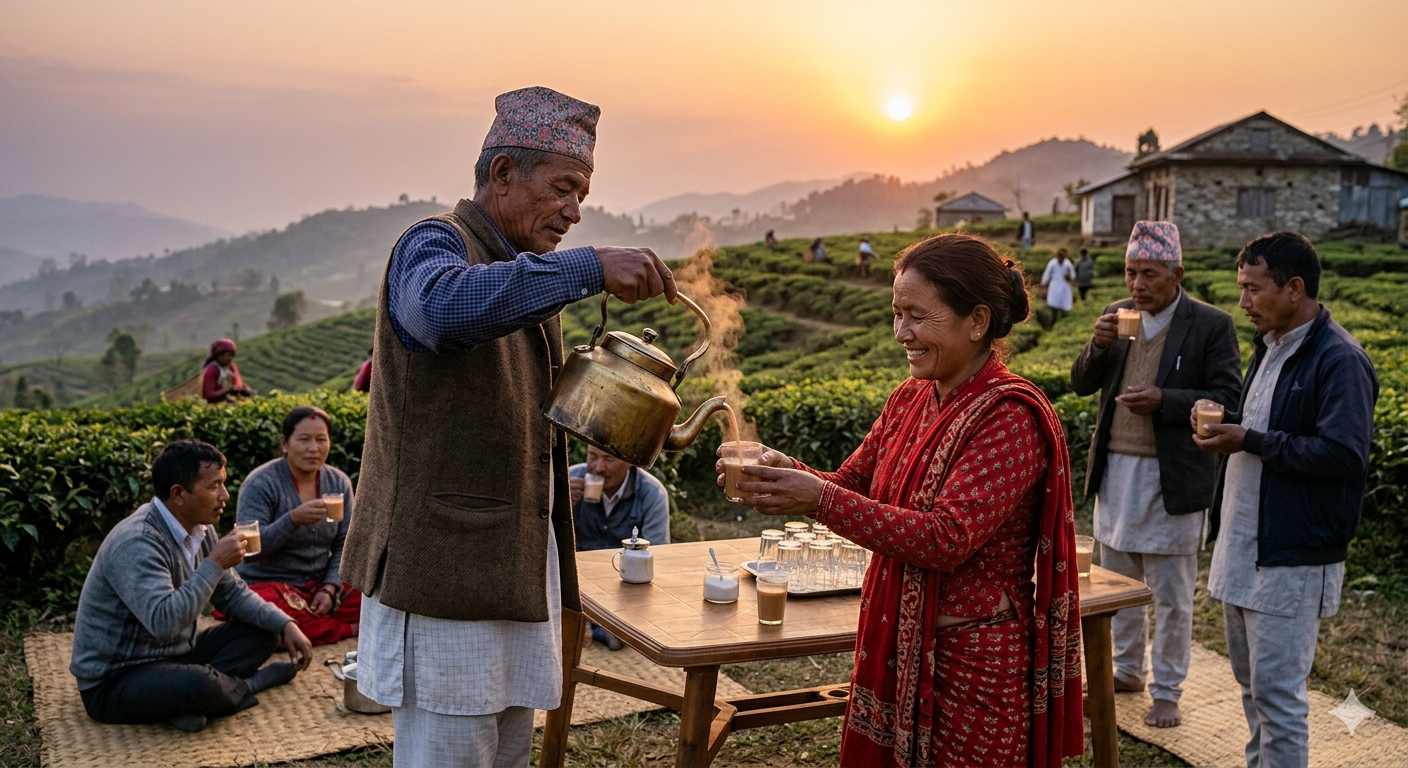
In Nepal, tea is deeply rooted in both culture and lifestyle. From small roadside stalls in Kathmandu to the green hills of Ilam, tea brings people together. Offering tea to guests is a common practice, symbolizing hospitality and care.
Tea is not only culturally meaningful but also beneficial for health, as it contains antioxidants that help reduce stress, support digestion, and improve overall well-being. Nepal’s tea is also gaining global recognition, with its newly introduced “One Stem Tea” attracting attention at the Asia-Africa Black Tea Exchange Festival in Hubei, China. Produced in Ilam, this premium golden black tea made from leafless buds was tasted by over 200 participants, reflecting Nepal’s growing presence in the international tea market.
As people mark National Tea Day, the occasion serves as a simple reminder—to slow down, enjoy the moment, and appreciate the comfort found in a single cup of tea.