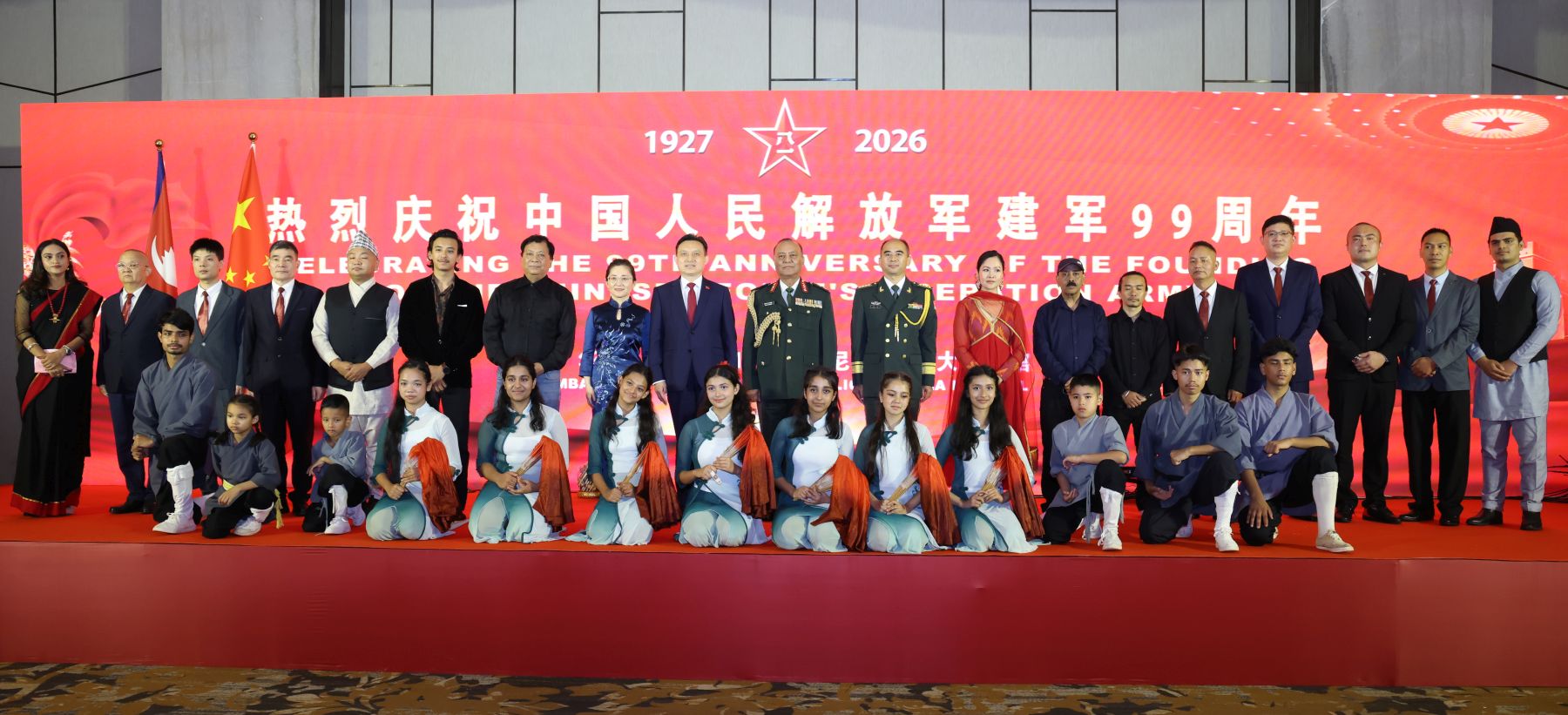
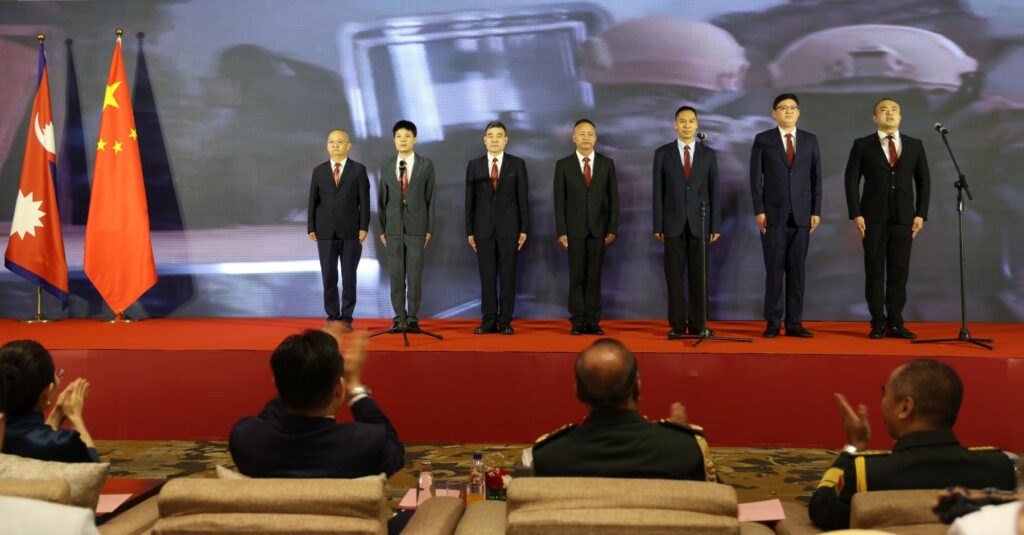
KATHMANDU — On a warm Friday evening in Nepal’s capital, military officers in dress uniforms mingled with diplomats beneath Chinese and Nepali flags as orchestral performances and cultural displays filled the event hosted by the Embassy of China in Kathmandu. The occasion was ceremonial — the 99th anniversary of the founding of China’s People’s Liberation Army. But the messages delivered carried significance well beyond the reception hall.
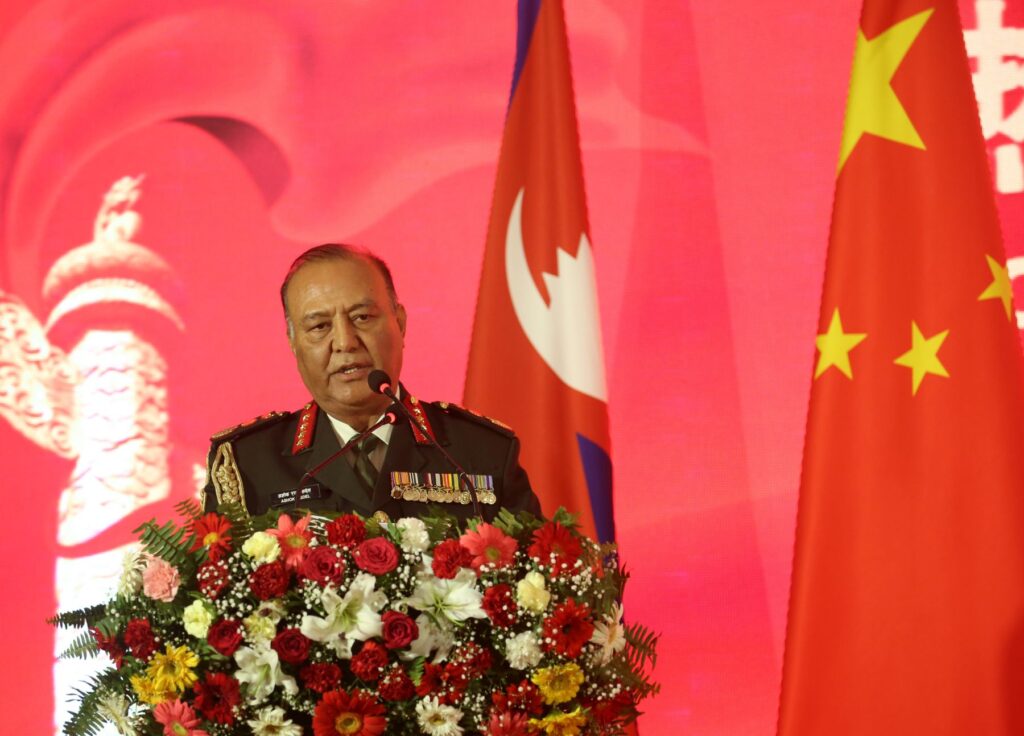
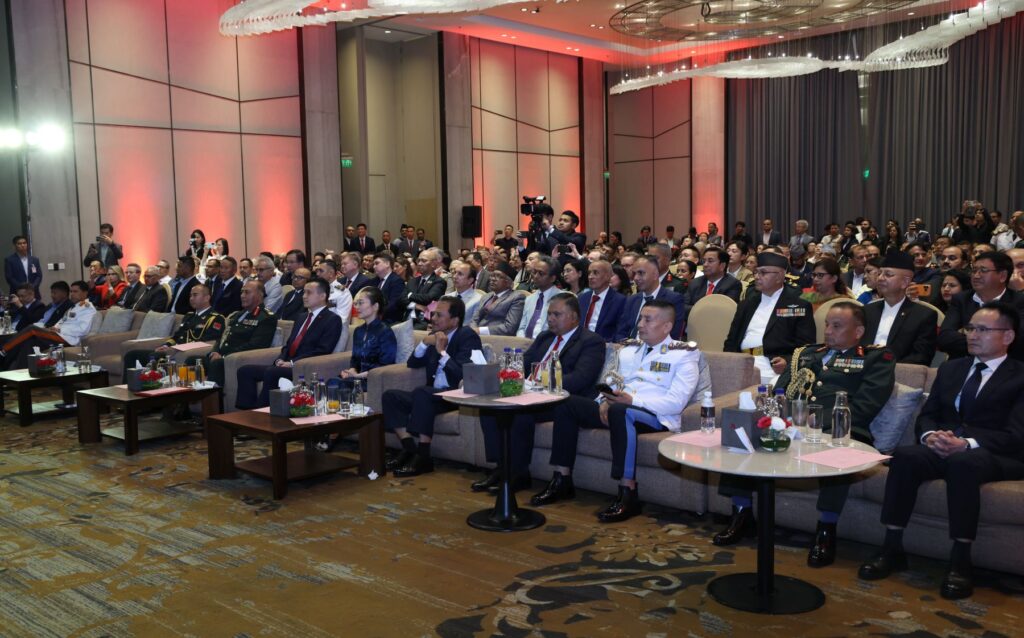
Standing before an audience that included senior government officials, diplomats and Nepal’s top security leadership, Nepal Army Chief General Ashok Raj Sigdel praised the People’s Liberation Army for helping strengthen relations between the two neighbors, describing military ties as an increasingly important pillar of the broader partnership.
His remarks reflected a relationship that has quietly expanded in recent years through military exchanges, joint exercises and defense cooperation, even as Nepal continues to balance its diplomatic and security relationships between its two giant neighbors, China and India.
“The relationship between the Nepal Army and the PLA is robust and continues to grow stronger,” Sigdel said, pointing to regular high-level visits and joint training that he said have deepened mutual trust and cooperation.
His comments came as Beijing continues to modernize its armed forces and expand its diplomatic engagement across Asia, where defense cooperation has become an increasingly visible component of Chinese foreign policy.
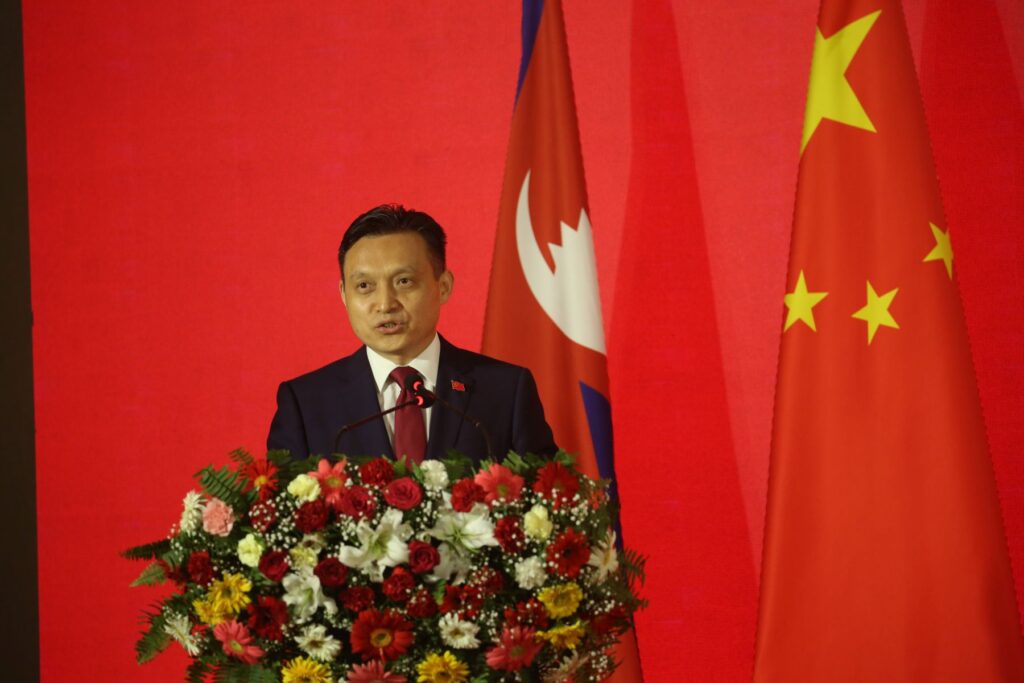
Chinese Ambassador Zhang Maoming portrayed the PLA not only as a guardian of China’s sovereignty but also as a contributor to international stability. He said advances in science and technology have transformed the Chinese military while enabling it to play a greater role in promoting world peace.
He more highlighted China’s participation in humanitarian assistance, disaster relief and United Nations peacekeeping missions. He noted that China is the largest contributor of peacekeeping personnel among the five permanent members of the U.N. Security Council, while Nepal remains one of the world’s largest contributors of troops to U.N. peacekeeping operations.
The shared peacekeeping record offers one of the few international arenas where the militaries of both countries operate under a common multilateral framework, reinforcing cooperation beyond bilateral exchanges.
For Nepal, maintaining close defense ties with China represents one dimension of a carefully calibrated foreign policy. Wedged between China and India, the Himalayan nation has long sought to preserve strategic autonomy by cultivating friendly relations with both powers while avoiding alignment with either.
Military diplomacy has increasingly become part of that balancing act. Nepal conducts exchanges and training with multiple countries, including China, India and the United States, while consistently emphasizing its policy of nonalignment.
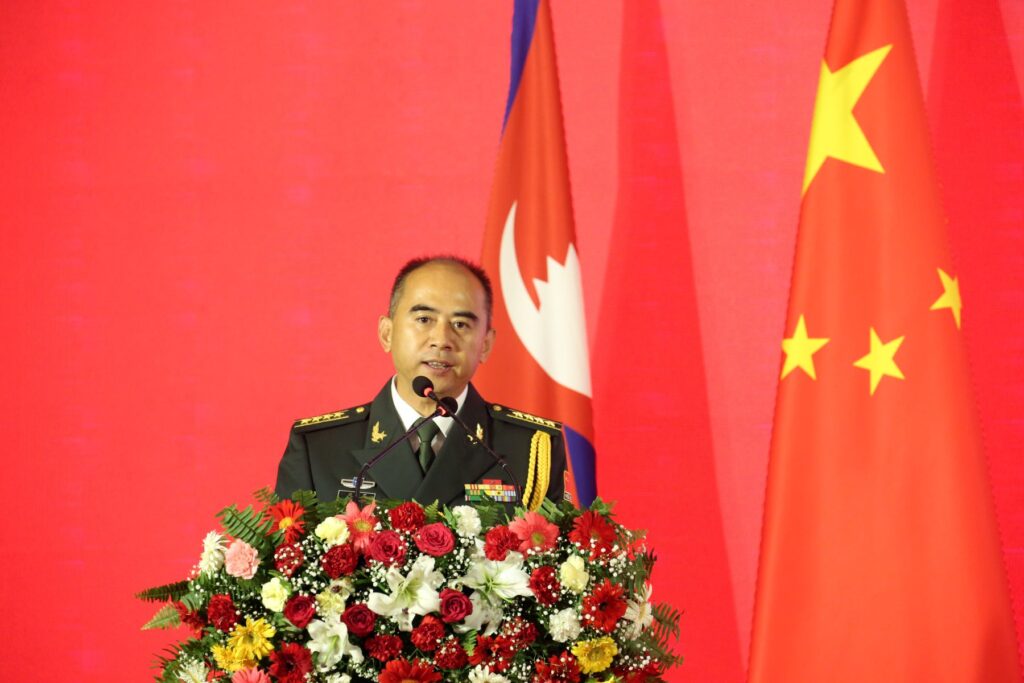
Senior Colonel Zhou Jun said China places high importance on military-to-military cooperation with Nepal and expressed confidence that bilateral defense ties would continue to expand through senior-level visits, joint training and other areas of mutual interest.
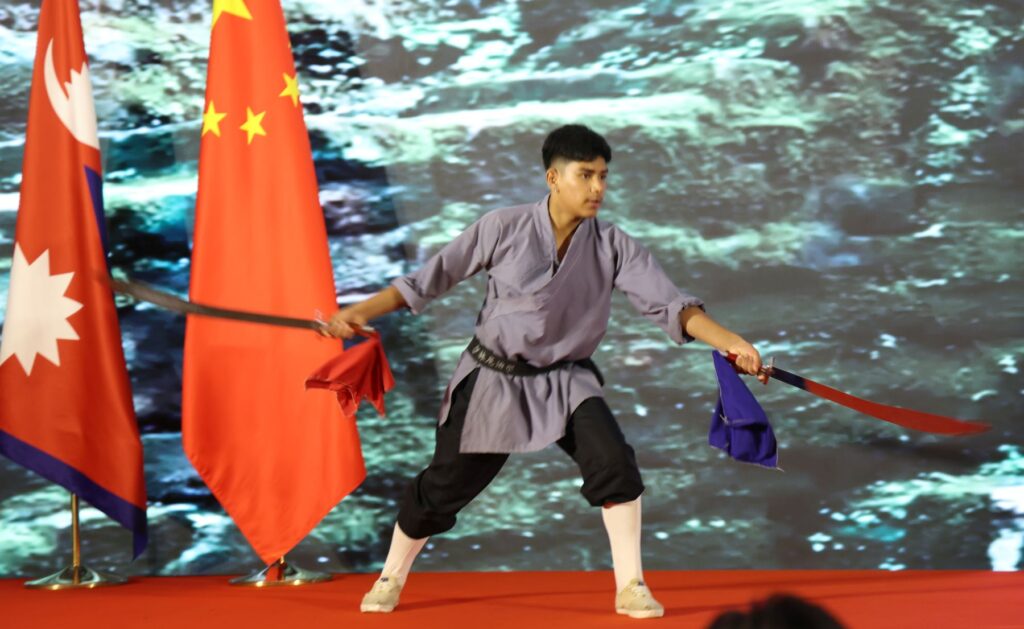
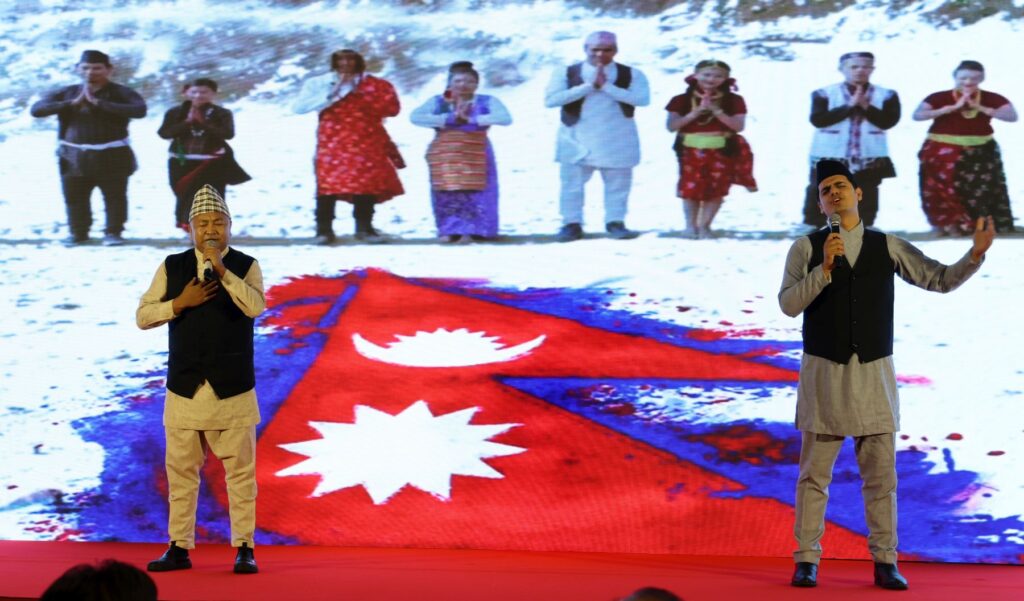
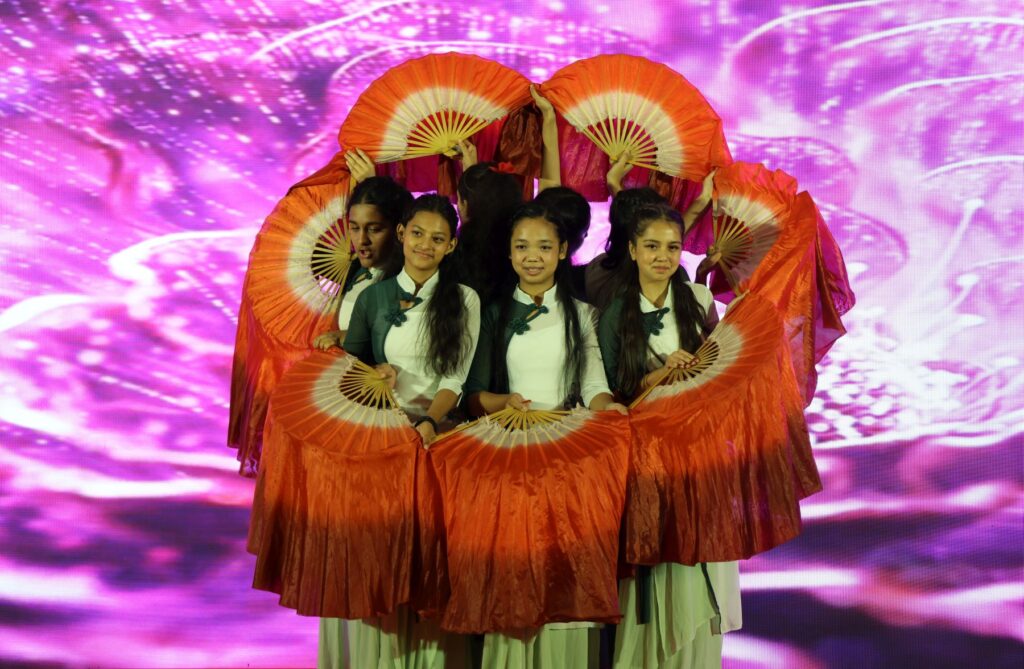
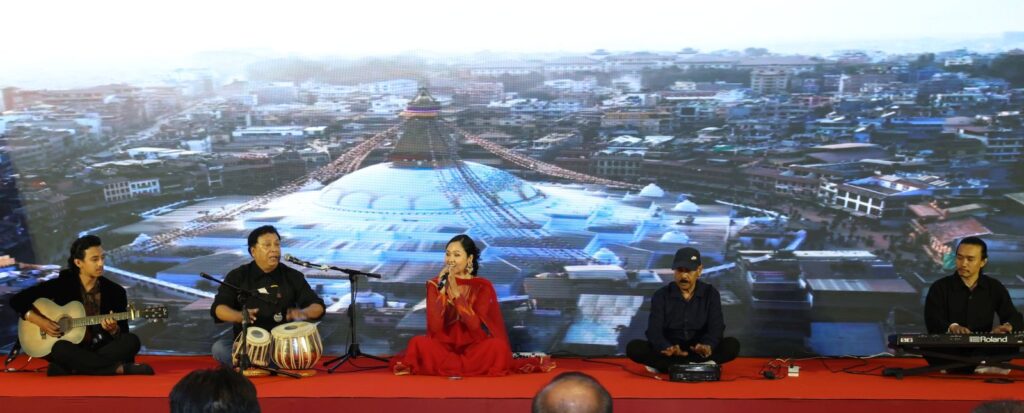
The reception itself blended diplomacy with cultural symbolism. Nepali and Chinese performers presented traditional music, dance and sports demonstrations, underscoring Beijing’s effort to frame the relationship not only in strategic terms but also through people-to-people engagement.
As guests departed into the Kathmandu night, the event left behind a broader message. In an era of shifting geopolitical competition across Asia, military cooperation has become an increasingly visible expression of Nepal-China relations — one that both sides say they intend to deepen while presenting it as a contribution to regional stability rather than strategic rivalry.