Kathmandu – Nepal’s trekking destinations are offering new possibilities for travelers with disabilities, with the recent Annapurna Base Camp journey of 71-year-old blind Israeli trekker Margalit Shachar highlighting how adventure tourism can be experienced beyond sight.
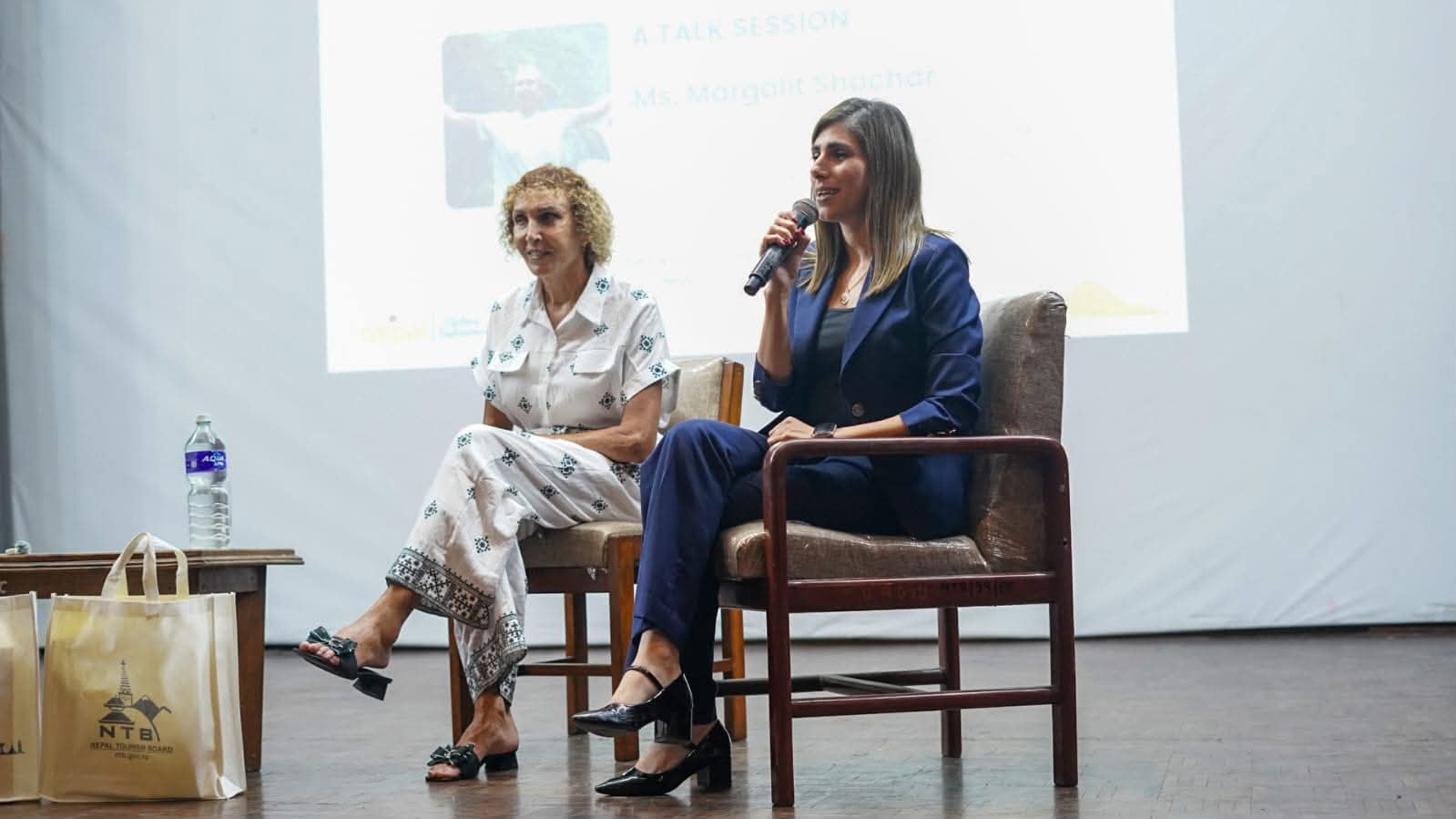
Shachar, who is completely blind, recently completed the Annapurna Base Camp trek after having trekked the Annapurna Circuit last year to mark her 70th birthday. Speaking at a talk session organized by the Nepal Tourism Board, she described her time in the Annapurna region as both an adventure and a deeply therapeutic experience.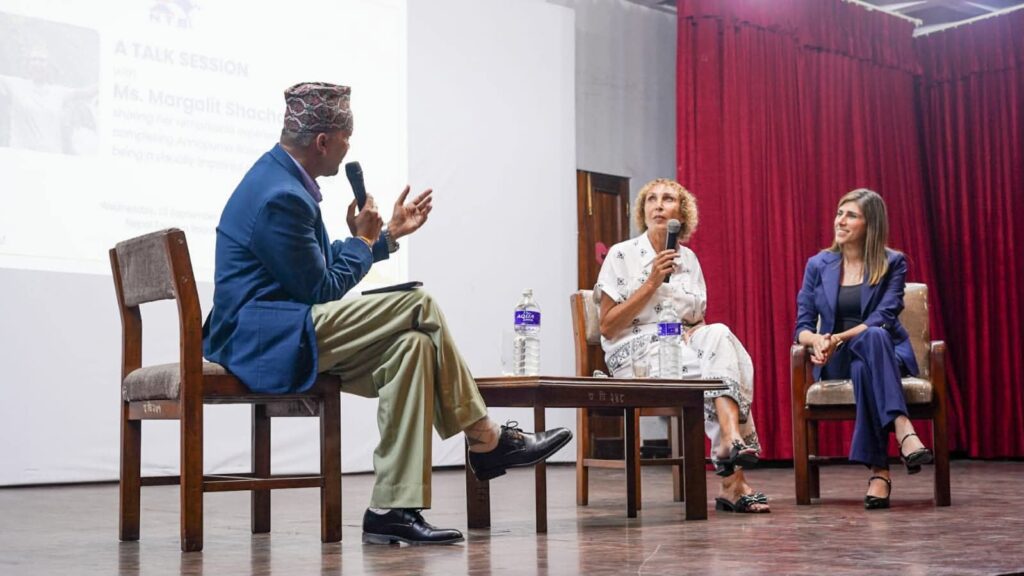
Rather than relying on sight, Shachar experienced the Himalayan landscape through sounds, smells and physical sensations. The sound of rivers, smell of bamboo, movement of the wind and surrounding natural environment became important parts of her journey.
She said the trek helped her feel more positive and emotionally lighter, while the encouragement and hospitality of local people made the experience more comfortable. Despite challenging sections along the route, she managed the journey by maintaining a steady pace and focusing on completing it one step at a time.
Shachar’s experience has also drawn attention to the importance of making Nepal’s adventure tourism sector more accessible. Tourism officials, disability advocates and trekking professionals attending the session emphasized the need for appropriate infrastructure, trained guides and stronger support systems for travelers with disabilities.
Representatives at the event noted that visual impairment does not necessarily prevent people from experiencing nature and adventure. With proper assistance and preparation, trekking destinations can provide meaningful experiences for visually impaired travelers and other people with disabilities.
Shachar is planning another visit to Nepal next year, with a Langtang trek among her plans. Her experiences in the Annapurna region have added a different dimension to Nepal’s trekking tourism, demonstrating how the country’s natural landscapes can be experienced through sound, touch, smell and other senses, while also highlighting opportunities to develop more inclusive adventure tourism.