China Foundation Launches Agricultural Skill Development Training in Khokana
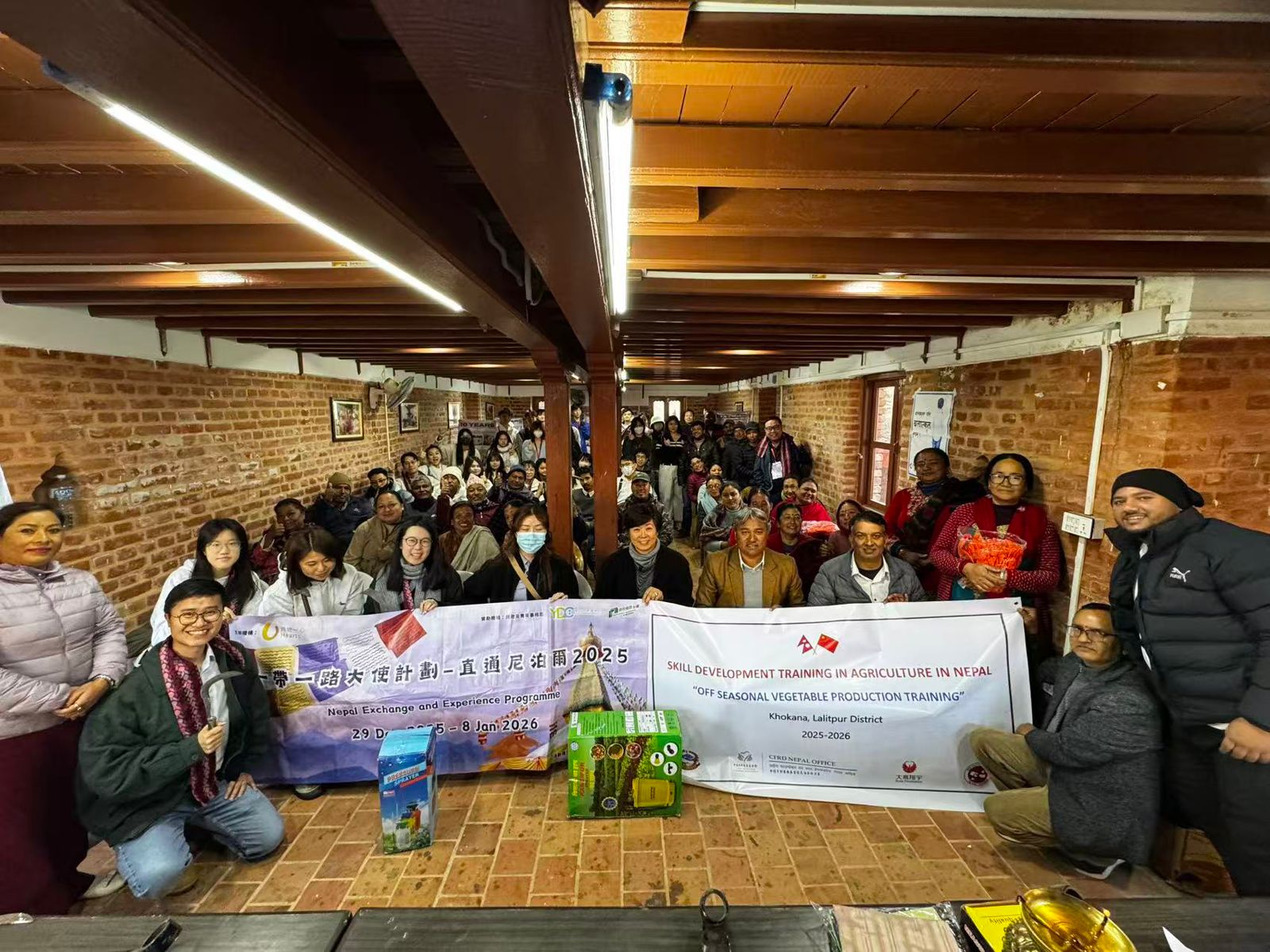
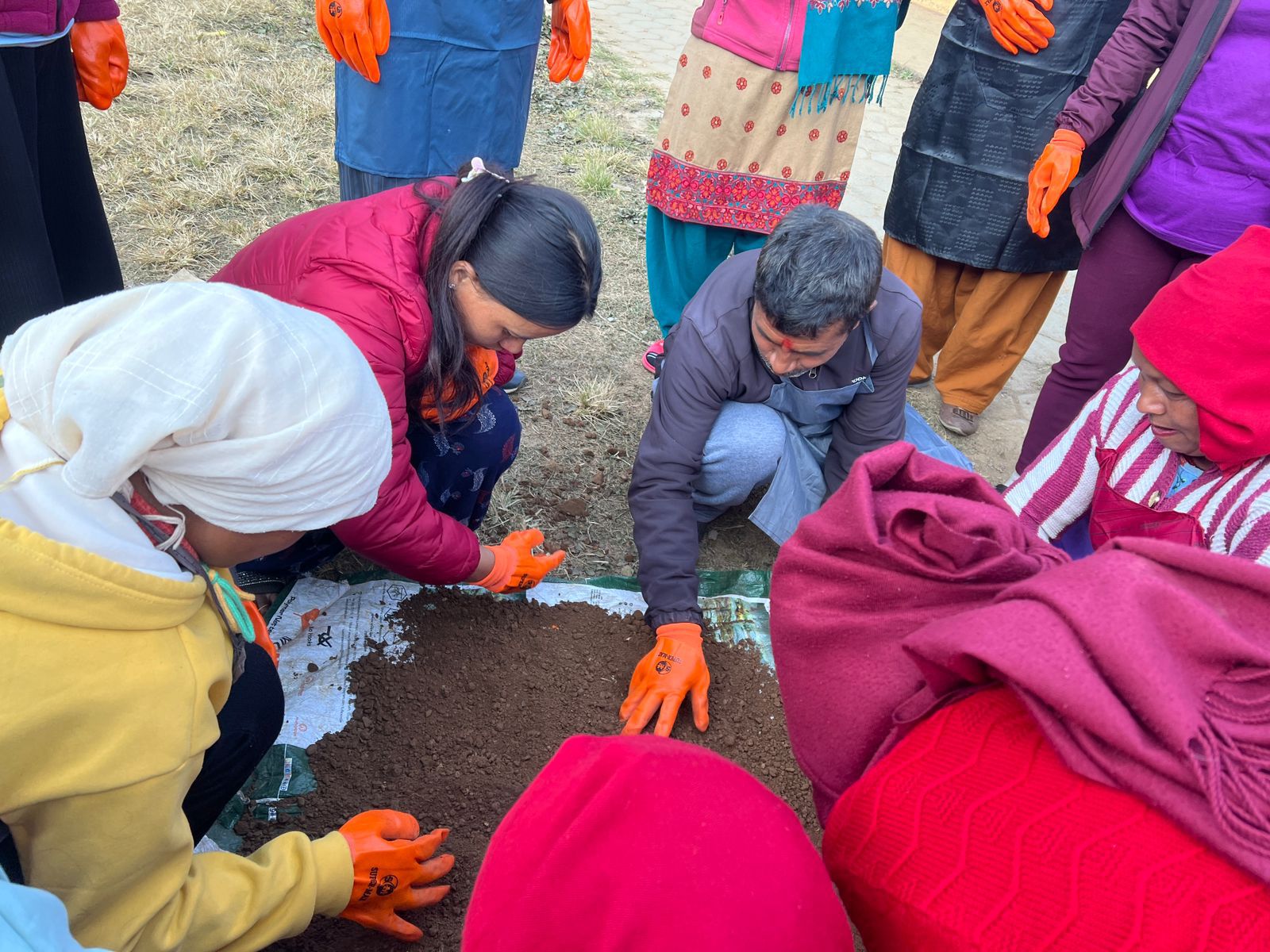
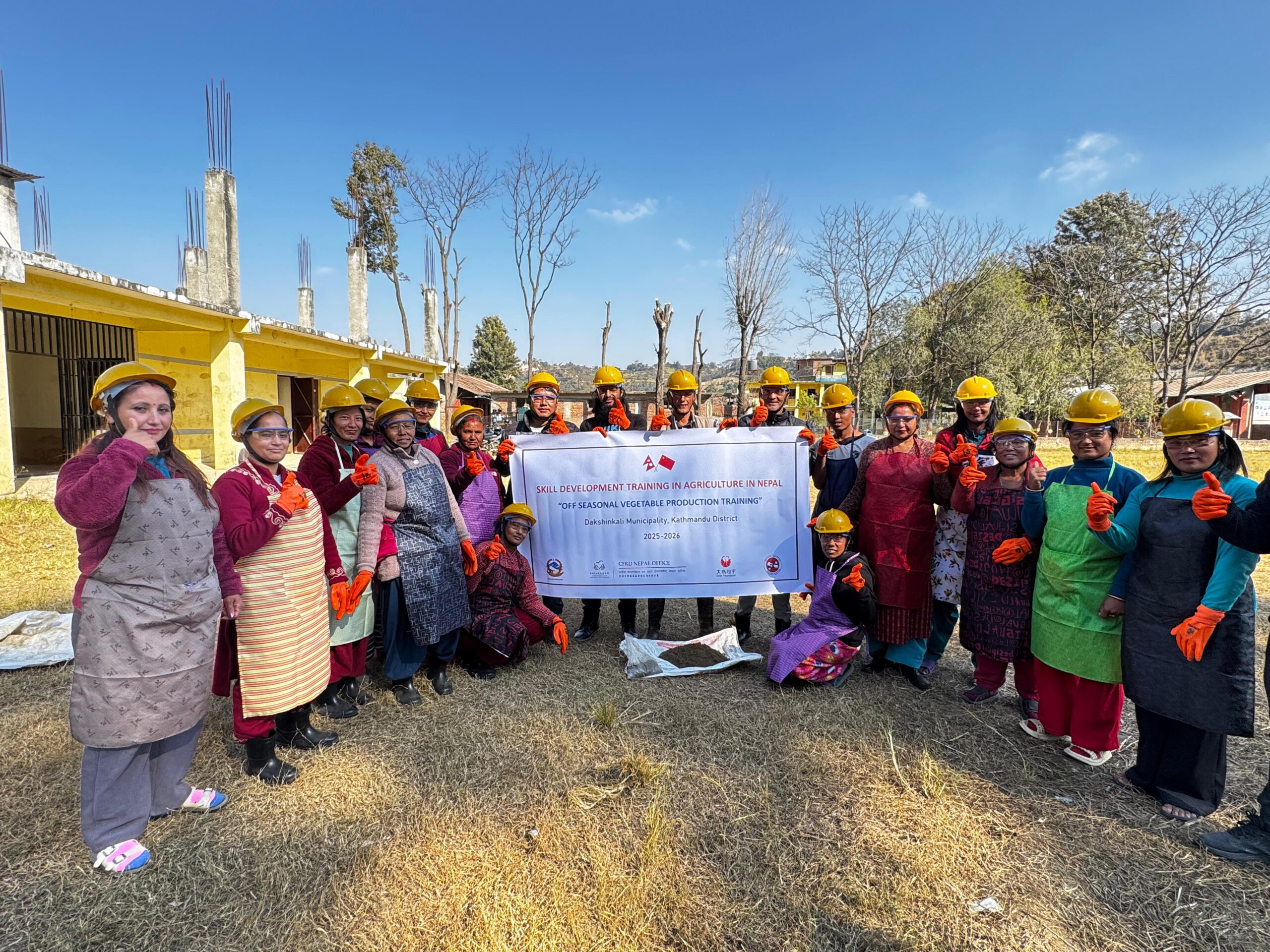
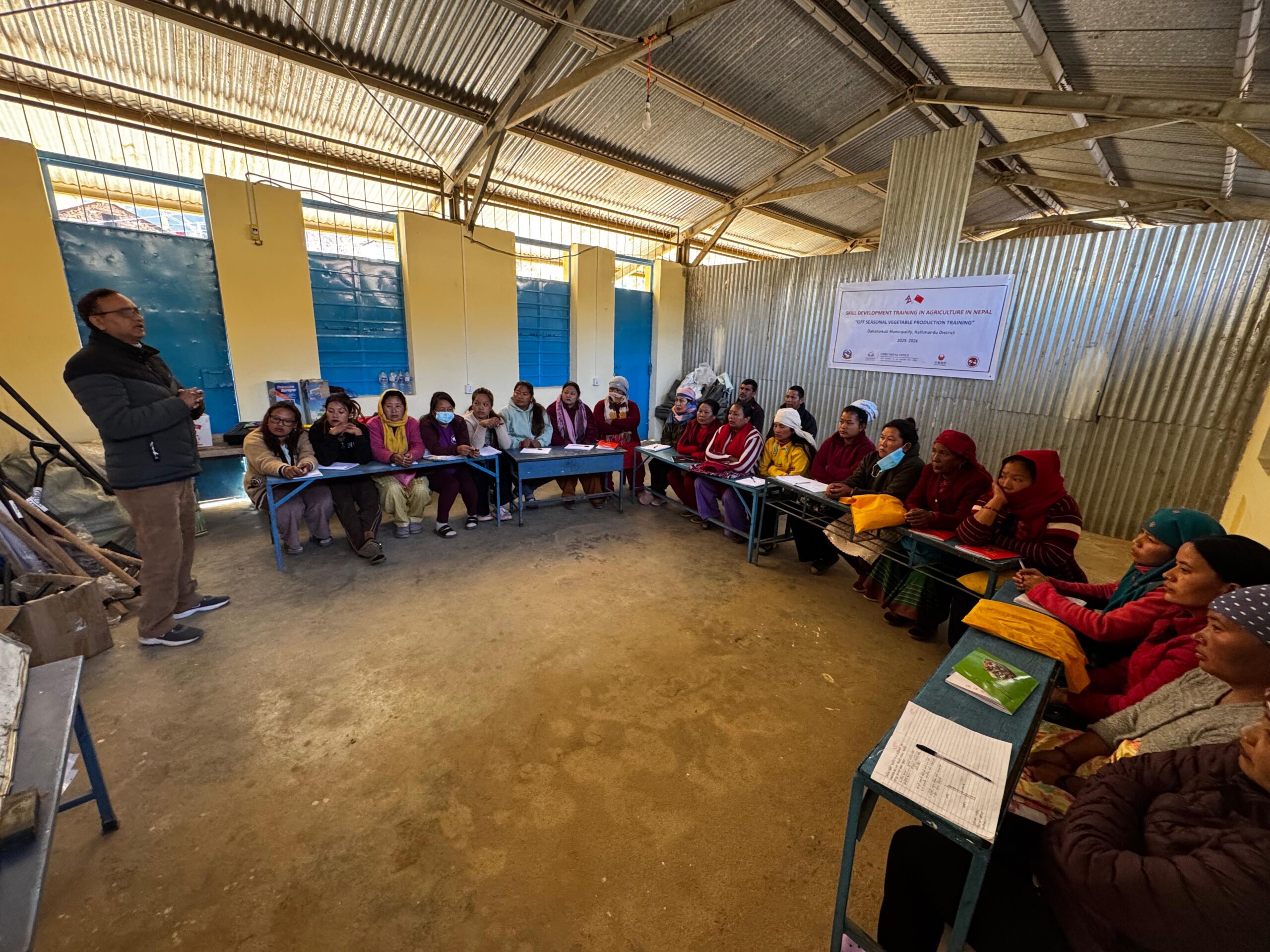
Khokana – The China Foundation for Rural Development (CFRD) has launched an Agricultural Skill Development Training program in Khokana, Lalitpur, aimed at strengthening local economic development and improving vegetable production through technical capacity building. The initiative focuses particularly on empowering youth and women farmers, while also providing agricultural equipment and quality seeds to local communities.
The launch event saw the participation of more than 30 volunteer students from Hong Kong, highlighting the growing scope of people-to-people exchange and grassroots cooperation between China and Nepal.
Empowering a Heritage Village Through Modern Agriculture
Khokana, a historic Newari settlement known for its cultural heritage and tourism significance, has long relied on traditional agriculture and community-based enterprises. Building on this foundation, the newly launched program marks a shift toward integrating modern agricultural practices to enhance productivity and income generation.
CFRD stated that the project represents a new phase of technical support designed to unlock Khokana’s agricultural potential and contribute to sustainable, long-term economic growth. The organization also expressed interest in encouraging further Chinese research activities, volunteer engagement, and development partnerships in the area.
Focus on Youth, Women, and Sustainable Income
Speaking at the event, CFRD Nepal Country Director Ms. Zou Zhiqiang said the training is centered on vegetable production technology to promote local economic development and improve technical skills among youth and women.
“Khokana is rich not only in culture and tourism but also in agricultural potential,” she said. “Over the past five years, CFRD has supported this community through women’s microfinance initiatives, handicraft and small factory support, school feeding programs, and educational assistance. This time, our focus is on technical capacity building, which is essential for self-sustaining development.”
Ms. Zou added that the participation of Chinese volunteers reflects increasing cooperation and mutual learning between the two countries. She expressed hope that more Chinese researchers, volunteers, and donors would engage in Nepal’s community-level agricultural development in the future.
Local Leadership Welcomes Continued Cooperation
Addressing the program, Ward Chairperson of Lalitpur Metropolitan City Ward No. 21, Rabindra Maharjan, recalled CFRD’s five-year engagement with the Khokana community through multiple development initiatives.
He noted that Chinese volunteers had visited women-supported factories and learned directly from local experiences, demonstrating the depth of the partnership. Sharing his own experience of visiting China last year, Maharjan said he had gained valuable insights into China’s poverty alleviation efforts. He also highlighted that the ward has signed an agreement with China Rural Villages, laying a foundation for expanded cooperation.
Expressing optimism, he said increased visits by Chinese researchers and volunteers would further accelerate local development, improve livelihoods, and strengthen the local economy.
CFRD’s Broader Engagement in Nepal
CFRD Nepal has been active in the country since 2015, initially focusing on post-earthquake relief and disaster response. Since 2019, it has implemented skill development projects, providing plumbing and electrical training to 318 youth.
The organization has also supported farmers in Dakshinkali and Tarakeshwor, where technical and financial assistance enabled around 90 percent of participating farmers to adopt new practices, establish agribusinesses, and export vegetables to Qatar. In Nuwakot and Lalitpur, CFRD has strengthened the tea value chain by introducing modern machinery and training in harvesting, processing, and marketing, benefiting more than 600 households engaged in organic tea production.
Aligned With National Needs and Global Goals
As agriculture remains Nepal’s largest employment sector but continues to face challenges such as low productivity and limited specialized training, CFRD is expanding its focus on youth aged 17 to 45 to promote commercial farming and off-season crop production.
The current training is being delivered through CTEVT-affiliated institutions under an authorized curriculum and aligns with Sustainable Development Goal 8, which promotes decent work and economic growth. Organizers believe the initiative will contribute to stronger local agricultural production, improved livelihoods, and inclusive rural development.