
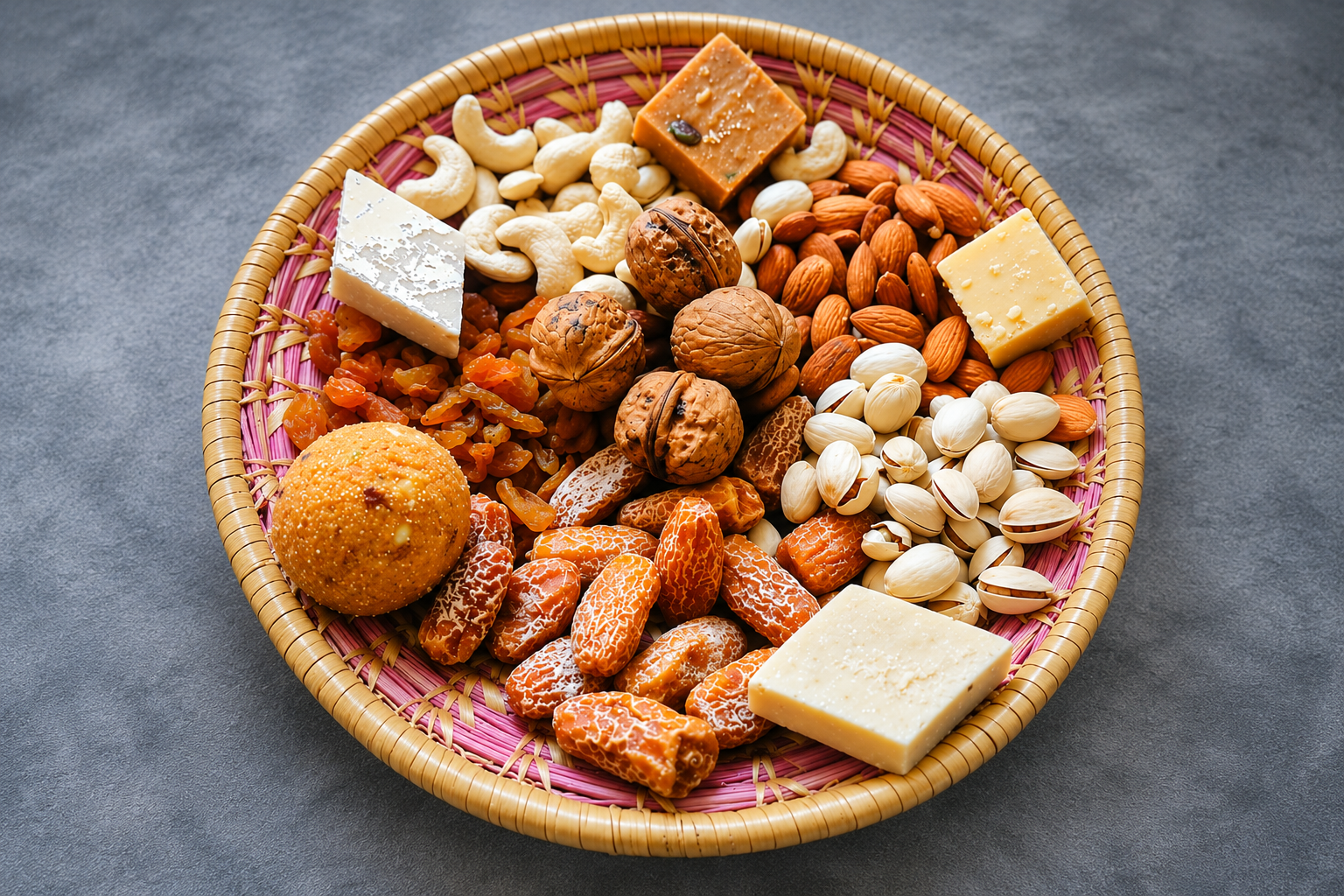
Kathmandu – Prices of dry fruits and nuts, commonly known as Bhai Masala, have increased across Nepal as demand rises ahead of the Tihar festival, placing additional financial pressure on consumers preparing for Bhai Tika celebrations.
Despite higher imports this year, supply disruptions and rising transportation costs have contributed to price increases in Kathmandu and other major markets.
Pistachios have recorded one of the sharpest increases. According to traders, their price has risen from around Rs 2,200 per kilogram last year to Rs 3,500–3,600 this year.
Most other dry fruits have become Rs 150–200 more expensive per kilogram compared with last year, although price increases vary depending on the product and retailer.
Anurag Chaudhary, a trader with 15 years of experience in Kathmandu’s Kalimati market, attributed the price increases to several factors, including flooding in Rasuwa, disruptions to transportation routes and delays in customs clearance during Dashain.
He said customs operations were suspended for nearly a week during Dashain, delaying shipments. When services resumed, demand for Tihar-related products had already increased, creating additional pressure on available supplies.
Chaudhary explained that higher procurement and transportation costs had affected retail prices. He added that pistachio prices could reach Rs 3,800 per kilogram if supply conditions remain difficult.
According to figures cited from the Department of Customs, Nepal imported approximately 17,000 metric tonnes of dry fruits and related products worth Rs 3.29 billion during the first three months of the current fiscal year 2083/84.
During the same period last fiscal year, imports stood at around 16,000 metric tonnes worth Rs 2.92 billion. This represents an increase of approximately Rs 370 million in import value and 1,000 metric tonnes in volume.
Nepal imports dry fruits and nuts from countries including India, China, the United States, Vietnam, Indonesia and Thailand, as domestic production remains insufficient to meet demand.
Dry fruits such as cashews, almonds, raisins, pistachios, walnuts and dates are traditionally exchanged during Bhai Tika as symbols of affection, goodwill and prosperity between brothers and sisters.
With Tihar approaching, traders expect demand to remain strong, while consumers may continue to face higher prices unless supply conditions improve.