Education Minister Warns Teachers Against Political Involvement, Emphasizes Professional Ethics

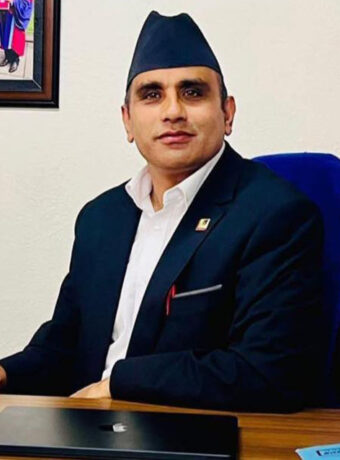
Kathmandu – The Ministry of Education, Science, and Technology (MoEST) has issued a stern warning to teachers, professors, and other education sector employees regarding their involvement in political activities. In an official notice dated November 9, 2025, Minister Mahabir Pun highlighted growing public concern over the engagement of educators in partisan politics, noting its detrimental effects on educational quality and institutional integrity.
The ministry stated that complaints from parents, students, civil society, and educational professionals indicate that various teacher and academic associations, established to advocate for professional rights under the Labor Act 2074 and Trade Union Act 2049, have increasingly become involved in political activities. This trend, according to the ministry, contravenes professional duties, ethical obligations, and codes of conduct. Minister Pun emphasized that the involvement of educators in political mobilization, beyond their role of safeguarding professional interests, undermines the education sector’s overall performance.
“Professional acts, ethical conduct, and commitment to the education sector are enshrined in law,” the ministry noted. “No legal provision allows educators to engage in political activities beyond collective bargaining for professional rights. Violations may result in disciplinary actions, including dismissal from service.”
The notice also clarified that the ministry will not recognize any teacher or staff organizations affiliated directly or indirectly with political parties, either as sister organizations or through supportive entities. This decision aims to preserve the neutrality and independence of educational institutions while maintaining their professional character.
Analysts note that teacher involvement in politics can have wide-ranging consequences. Partisan engagement may compromise classroom objectivity, influence student perceptions, and divert attention from core academic responsibilities. Additionally, politically active educators may inadvertently foster tensions within schools or universities, disrupting peaceful learning environments. In extreme cases, such involvement can erode public trust in educational institutions and negatively affect policy implementation.
The ministry underlined that it fully respects educators’ constitutional rights and professional entitlements but insists that these rights be exercised without political interference. It has called on teacher federations, academic associations, and related organizations to restructure themselves into independent, non-partisan bodies that focus solely on professional and educational objectives.
Minister Pun concluded with a clear warning: any activity by educators that violates professional duties, ethical standards, or the peaceful functioning of schools and universities will be met with full legal action under existing laws. “The ministry will leave no stone unturned in ensuring accountability and protecting the sanctity of the education sector,” he stated.
This directive reflects a growing emphasis on professional neutrality in Nepal’s education sector, reinforcing the principle that educators should remain facilitators of knowledge rather than agents of political influence.