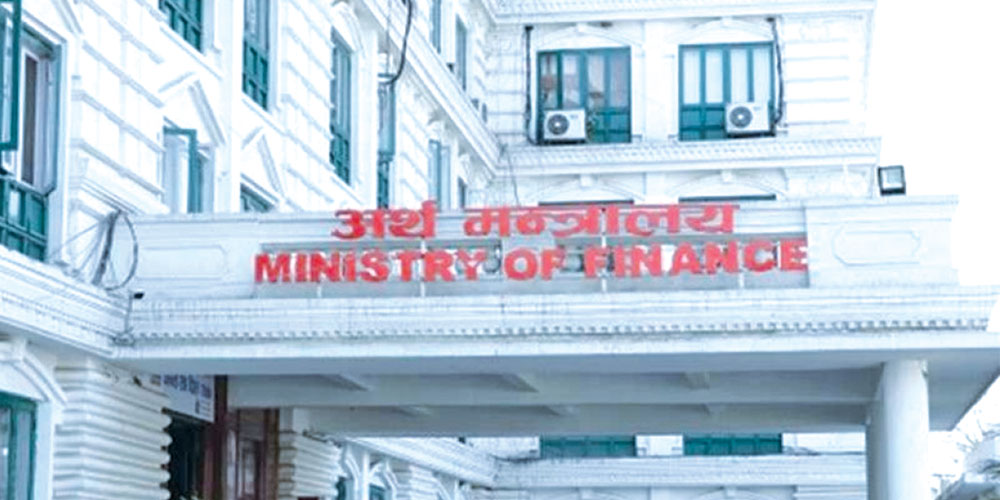
Kathmandu- Following widespread criticism from the public and stakeholders, the government has decided to suspend the implementation of the proposed 3% Education Equity Fee and Health Equity Fee for the time being.
The fees were introduced through the Economic Bill 2083 (2026/27), requiring private health institutions to collect an additional 3% Health Equity Fee on all service charges and private schools to impose a 3% Education Equity Fee on tuition and other fees. The move drew strong opposition from patients, parents, and various stakeholder groups, who argued that it would place an unnecessary financial burden on the public.
Announcing the decision on Tuesday through a Facebook post, Prime Minister Balen Shah said the government had decided not to implement the fees immediately after consultations with Finance Minister Swarnim Wagle. He stated that enforcing the additional charges at this time could increase the financial burden on citizens and create further public dissatisfaction.
Under Section 17 of the Economic Bill 2083, private healthcare providers were required to collect the Health Equity Fee on all service charges in accordance with Schedule 8 of the bill. The government had planned to use the revenue to expand access to quality healthcare services and invest in health infrastructure.
With the latest decision, patients receiving services from private hospitals, laboratories, nursing homes, polyclinics, and private medical colleges will not have to pay the additional 3% Health Equity Fee. Likewise, private schools will not be allowed to collect the proposed 3% Education Equity Fee from parents.
The government’s reversal is expected to provide immediate financial relief to patients and families with children studying in private educational institutions.