Kathmandu-The Government of Nepal has endorsed a 22-point reform plan aimed at making the country’s administrative system more efficient, transparent and citizen-friendly.
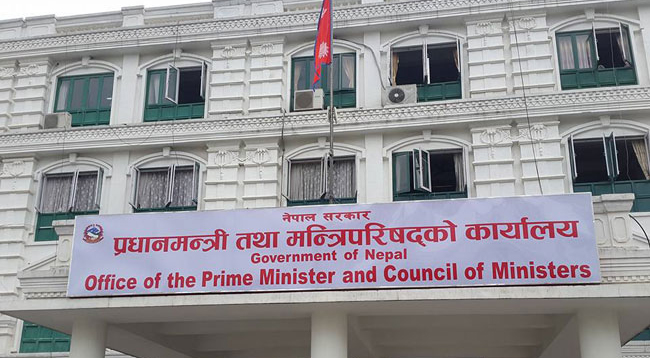
The decisions were taken during the first meeting of government secretaries chaired by newly appointed Chief Secretary Govinda Bahadur Karki at the Office of the Prime Minister and Council of Ministers in Singha Durbar on Monday.
One of the major decisions is the introduction of a one-stop service system in high-traffic government offices, including Land Revenue, Survey, Transport Management, Labour, District Administration and District Police offices. The government said the move is intended to simplify public services, reduce delays and eliminate the influence of middlemen.
The meeting also decided that government offices must assign dedicated staff to assist service seekers who are unable to submit applications online or in writing.
To improve accountability in public administration, the National Vigilance Centre will conduct close monitoring of irregularities and delays in government services. Officials and employees found responsible for misconduct will face legal action in accordance with existing laws.
The government has also approved the establishment of an integrated citizen grievance and feedback management system through websites and mobile applications across all ministries and public service agencies. All complaints received through the system must be addressed within a specified timeframe.
In another significant decision, the government will accelerate the process of transferring land revenue and survey services to local governments as part of Nepal’s federal administrative reforms.
The meeting further decided to internally reassign civil servants based on newly approved organisational structures to ensure no employee remains without assigned responsibilities. It also ruled that no government office will be allowed to create new positions, make temporary appointments or seek permanent recruitment through the Public Service Commission during the current fiscal year without prior approval from the Office of the Prime Minister and Council of Ministers.
To ensure continuity in government operations, the meeting made institutional knowledge transfer mandatory whenever civil servants are transferred, promoted or retire.
The government will also form a task force to review the country’s public holiday system.
Other decisions include giving high priority to completing reforms required to remove Nepal from the FATF grey list, strengthening financial discipline and clearing audit irregularities at all three levels of government, and effectively implementing the recently approved National Integrity Policy 2083 to promote ethical conduct among civil servants.
The meeting also instructed all government agencies to remain on high alert for monsoon-related disasters and possible disease outbreaks, ensuring timely relief and coordinated response efforts. It further decided to expedite the implementation of the approved support package for the families of martyrs and those injured during people’s movements.