Health Insurance Services Suspended at Teaching Hospital
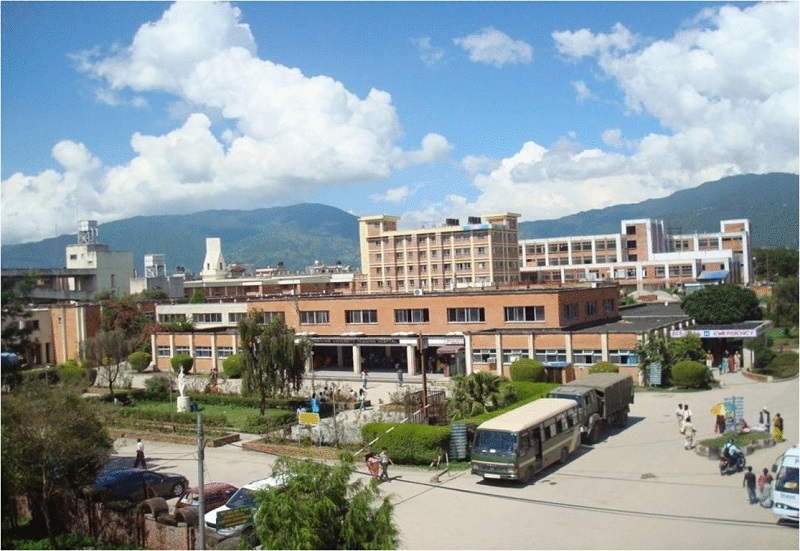
Health insurance–related services at Tribhuvan University Teaching Hospital (TUTH) are to be discontinued from Magh 1, 2082 (January 15, 2026), following prolonged financial pressure caused by unpaid insurance claims. The decision has been taken by the hospital administration after outstanding dues from the Health Insurance Board (HIB) were reported to have severely affected the institution’s operational capacity.
According to hospital officials, insurance claims amounting to nearly NPR 40 crore (approximately NPR 400 million) have remained unpaid by the Health Insurance Board. Despite the continuation of services under the national health insurance scheme for the past two years using internal hospital resources, it has been stated that the situation has become financially unsustainable. Monthly losses of around NPR 20 million have reportedly been incurred by the hospital during this period.
Financial strain and structural shortcomings highlighted
It has been disclosed by the hospital administration that more than NPR 5 crore (NPR 50 million) is spent each month to provide treatment to insured patients, while only around 50 percent of the claimed amount is approved for reimbursement by the Board. This persistent gap between actual treatment costs and approved payments has been cited as the primary reason behind the decision.
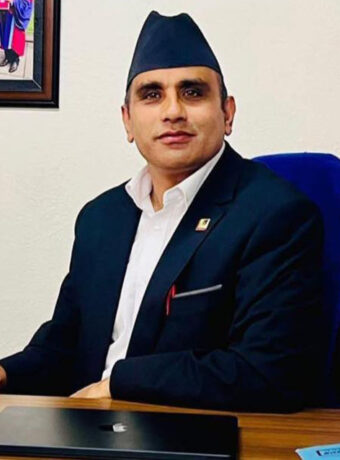
Information Officer Dr. Gopal Sedhai and hospital spokesperson Kaliprasad Rosyara stated that the lack of timely reimbursement has forced the hospital to operate at a continuous deficit. As a result, payments to medicine suppliers and medical equipment vendors have not been made for the past five months, affecting procurement, inventory management, and service continuity.
A nationwide issue for insured healthcare services
The suspension at Teaching Hospital has been described as part of a wider national challenge facing health institutions enrolled in the government’s health insurance program. The Health Insurance Board has acknowledged that it currently owes more than NPR 10.5 billion to over 500 listed health institutions across the country.
In late 2025, it was reported by the Board that its allocated budget of NPR 10 billion for fiscal year 2025/26 had already been exhausted in clearing previous liabilities. As a result, a significant funding gap has been created for current claims. Similar warnings of service suspension have also been issued by other institutions, including the Rapti Institute of Health Sciences.
The delays have been attributed by the Health Insurance Board to a severe funding crunch, with officials stating that service demand from over 10 million enrolled citizens has exceeded government subsidies and premium collections.
Impact on patients and public healthcare delivery
The halt in insurance services at Teaching Hospital is expected to have a direct impact on thousands of insured patients, particularly those from low-income households. As Nepal’s largest government hospital and a key referral center, TUTH plays a critical role in providing specialized and affordable healthcare.
With the hospital’s withdrawal from the insurance scheme, many patients may be compelled to seek treatment at private facilities at significantly higher costs or delay essential medical care. Hospital authorities have reiterated that repeated appeals over the past two years to revise treatment rates and recognize actual service costs were not addressed.
Calls for policy reform and immediate intervention
Health policy experts have warned that Nepal’s national health insurance program may face serious risk of collapse if corrective measures are not urgently implemented. Health Minister Pradeep Paudel has also been quoted in recent discussions as expressing concern that the program is approaching an inoperative stage due to insufficient resources.
Although proposals such as increasing the insured amount to NPR 500,000 have been introduced, experts argue that structural weaknesses remain unresolved. Suggested reforms include:
- Integration of fragmented health financing systems, including the Social Security Fund and Employees Provident Fund
- Introduction of a mandatory 2 percent salary contribution from formal sector employees
- Automation of claim processing to reduce rejection caused by technical errors
- Institutional reform of the Health Insurance Board to ensure financial autonomy and accountability
Conclusion
The suspension of health insurance services at Tribhuvan University Teaching Hospital has been viewed as a critical warning signal for policymakers. Without timely reimbursement, realistic pricing of services, and sustainable funding mechanisms, the national health insurance program’s long-term viability remains uncertain. Immediate policy intervention has been emphasized as essential to prevent further service disruptions and to safeguard Nepal’s commitment to universal health coverage.