Kathmandu – Kathmandu Metropolitan City has issued the Kathmandu Climate Declaration 2083, committing to reduce the impacts of climate change, protect vulnerable communities and build a more climate-resilient city.
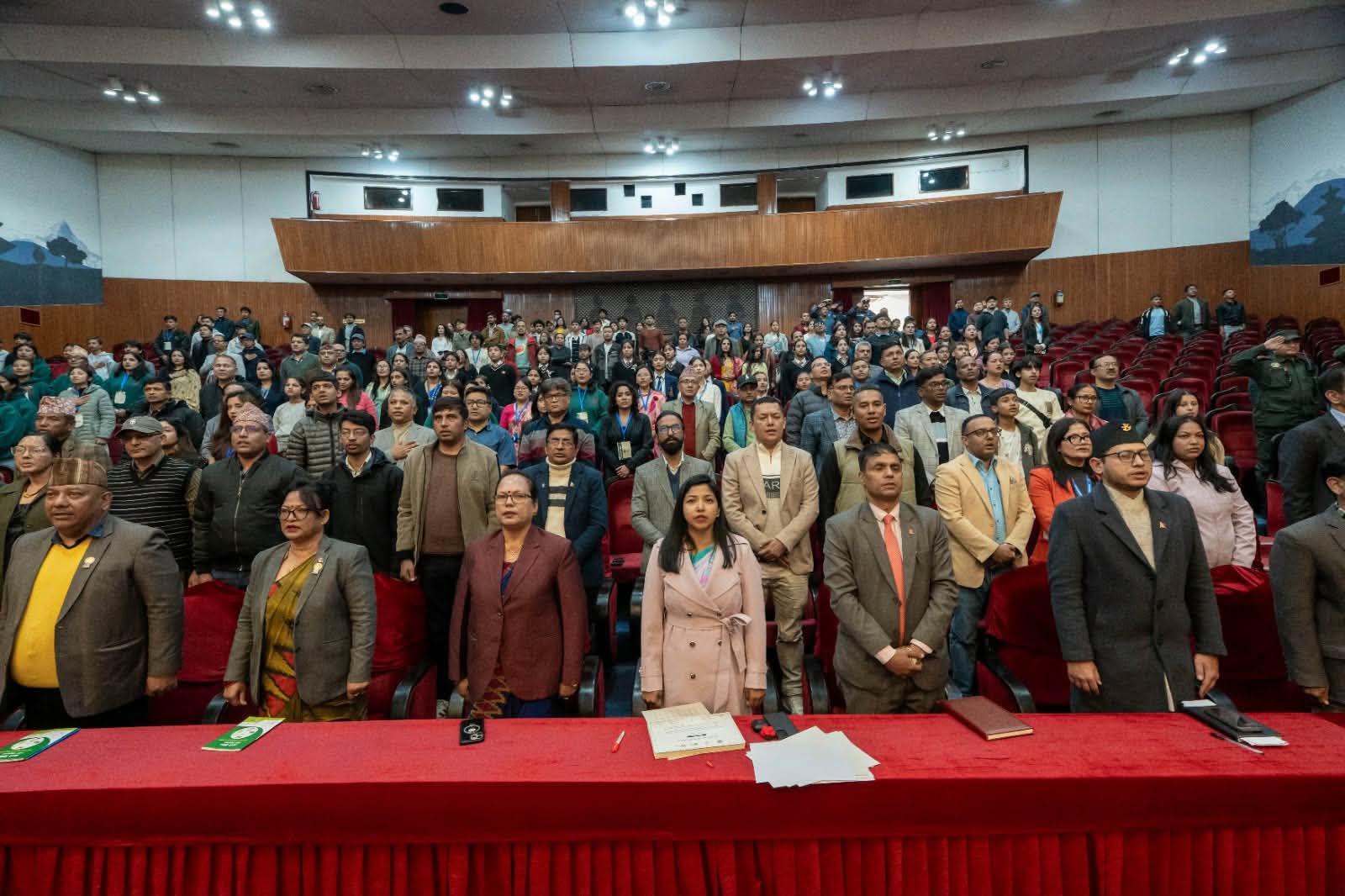
The declaration was issued on November 29, the final day of the week-long Kathmandu Climate Action Week, which ran from November 23 to 29. Acting Mayor Sunita Dangol announced the declaration, saying the discussions, experiences and lessons gathered during the week should be translated into practical action.
The declaration recognizes climate change not only as an environmental issue but also as a broader challenge connected to social justice, human rights, public health, urban development and the future of coming generations.
It sets out seven major commitments to address growing risks from floods, landslides, extreme temperatures, water shortages, air pollution and threats to natural and cultural heritage. It also emphasizes climate justice, inclusive participation and cooperation from the local to the international level.
The declaration acknowledges that climate change affects everyone, but its impacts, contributions to the problem and ability to respond are not equal. It therefore calls for greater attention to vulnerable communities while recognizing the responsibilities of developed countries and the needs of developing nations.
Children and young people have been given particular importance in the declaration. Kathmandu Metropolitan City has committed to promoting practical climate-related education from the school level, covering areas such as climate change, disaster risk reduction, environmental protection, water management, sustainable development, green cities and waste management. It also calls for meaningful participation of children, young people and different generations in policymaking, decision-making and problem-solving.
The declaration also promotes nature-friendly urban development and nature-based solutions. It calls for reducing pressure on rivers, streams, forests, wetlands, open spaces and biodiversity caused by infrastructure and economic development. Local knowledge, traditional skills and community capacity are to be incorporated into climate action, while climate risk assessments, environmental sensitivity and long-term impacts are expected to be considered in development plans and projects.
Protecting Kathmandu Valley’s unique geographical, natural and cultural identity is another major focus. The city plans to address challenges linked to rapid urbanization, including rising temperatures, air pollution, flooding, waterlogging and water shortages through integrated programmes and stronger coordination.
Among the measures highlighted are implementation of an air-quality management action plan, rainwater harvesting, the Recharge Kathmandu campaign, restoration of rivers and streams, expansion of green spaces, and conservation of traditional water systems and heritage, including hitis, ponds and rajkulos. The promotion of environmentally friendly public transport, including clean tempos and electric buses, is also linked to the city’s climate adaptation efforts.
The declaration calls for climate action to become part of everyday urban life rather than remain limited to conferences and policy documents. Clean energy, energy efficiency, waste management, methane emission reduction, public transportation, green infrastructure, efficient water use and sustainable consumption are to be integrated into the city’s policies, plans, budgets and programmes.
It also places emphasis on communities that are more vulnerable to climate impacts, including women, children, senior citizens, persons with disabilities, low-income communities and residents of informal settlements. Their needs and voices are to receive greater consideration in policies and programmes. The declaration also promotes the integration of local knowledge, traditional skills, indigenous foods, sustainable food systems, scientific research and the creativity of younger generations.
A central principle of the declaration is that climate security should be treated as a right of every citizen rather than a privilege or convenience.
The city has also committed to connecting its climate pledges with implementation and measurable results. Issues and conclusions raised during Climate Action Week are expected to be translated into action plans with clear timelines, responsible agencies and measurable outcomes.
The declaration calls for long-term partnerships among local, provincial and federal governments, development partners, non-governmental organizations, the private sector, academic and research institutions, and communities. It also highlights the need to expand local access to climate finance, technology and knowledge.
Kathmandu Metropolitan City has pledged to support implementation through transparent monitoring, regular reviews and public accountability. The declaration presents climate action as a shared responsibility requiring coordination across sectors and levels of government.
The week-long Kathmandu Climate Action Week provided a platform for discussions on climate challenges while bringing together local experiences, knowledge, technology and potential solutions. The city has now committed to carrying those discussions forward through coordinated action aimed at building a safer, more inclusive and resilient Kathmandu.