Kathmandu Marks Major Progress in Community Dog Sterilization Program

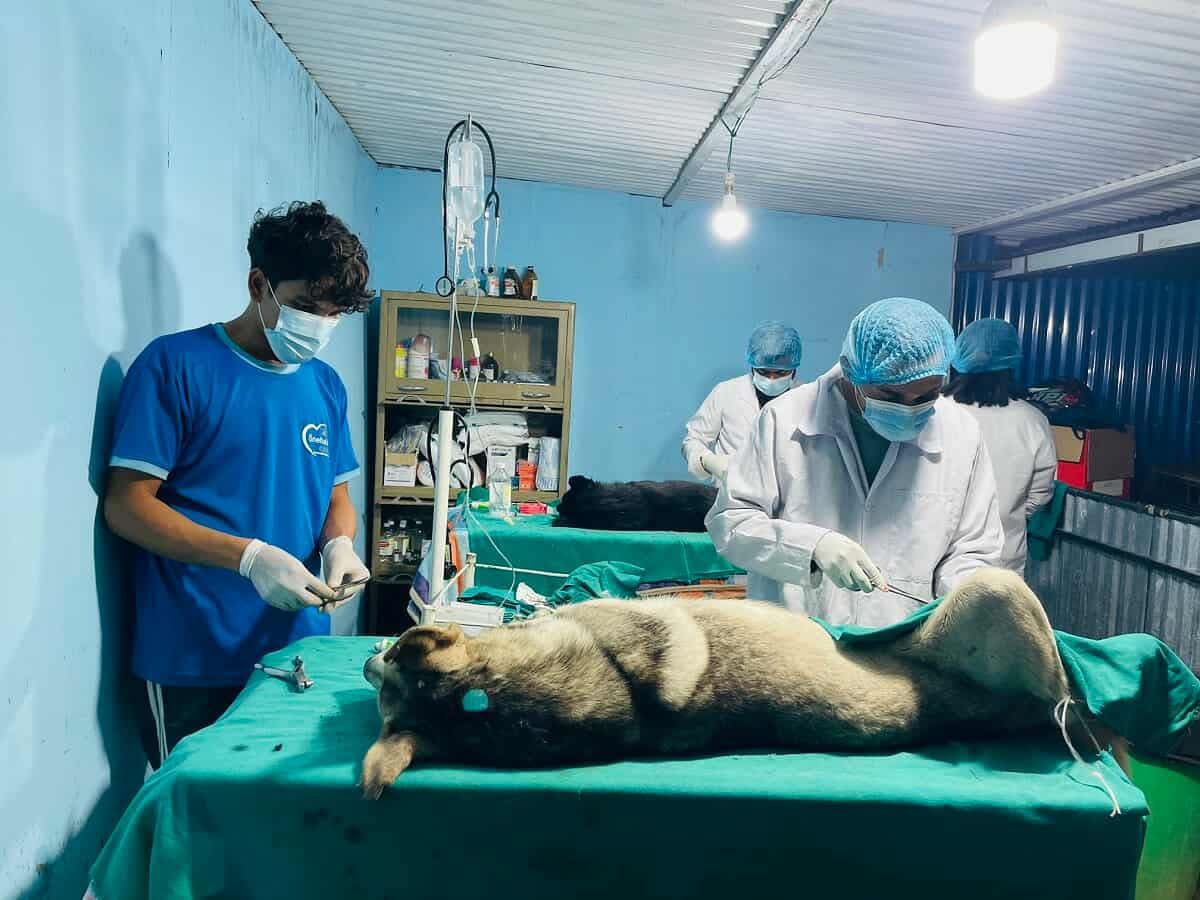
Kathmandu Metropolitan City has recorded a significant milestone in its ongoing animal welfare initiative. In a span of just 14 days, the city sterilized 1,120 community dogs in partnership with organizations working in the field of animal welfare. Officials say the work began across all wards on October 31, with the goal of controlling the stray dog population while enhancing public health and safety.
According to Dr. Puja Khanal, a veterinarian at the Metropolitan office, each sterilized dog and cat also receives an anti-rabies vaccination. This combined approach is intended to reduce both uncontrolled breeding and the risk of rabies transmission in densely populated urban areas.
In previous years, Kathmandu had already expanded its efforts. Last year, 670 animals were sterilized, while 16,569 received anti-rabies vaccines. During the fiscal year 2023/24, the city successfully sterilized 5,500 dogs and cats and vaccinated 16,000 animals. Since fiscal year 2022/23, the Metropolitan City has been running sterilization and vaccination programs on a regular basis.
To strengthen the program this year, the city invited applications on October 8 from organizations interested in conducting sterilization and vaccination work. From the applicants, five organizations were selected and assigned specific wards to ensure coverage across the city.
Sneha’s Care has been assigned wards 2, 8, 12, 13, 14 and 29. The organization has already sterilized 156 dogs in ward 14.
Kathmandu Animal Treatment Center Clinic, also known as the KAT Clinic, is responsible for wards 11, 21, 22, 24, 28 and 30. The center has sterilized 29 community dogs in ward 11 so far.
Society for the Prevention of Cruelty to Animals (SPCA) Nepal has taken charge of wards 1, 3, 4, 5, 18, 26 and 27. The society has sterilized 62 dogs in ward 1 and 84 dogs in ward 3.
Mandala Veterinary Hospital is responsible for wards 6, 10, 23, 25, 31 and 32. The hospital has completed 33 sterilizations in ward 6 and 344 in ward 32.
Kathmandu Animal Treatment Center has been assigned wards 7, 9, 15, 16, 17, 19 and 20. The center has made notable progress in ward 16 with 403 successful sterilizations.
All selected organizations signed an agreement with the Metropolitan City on October 30 and began work the following day.
The Agriculture and Livestock Department has announced that the city aims to sterilize around 4,000 dogs before Poush. If additional budget becomes available, the goal may be increased by another 4,000. The Metropolitan City will provide 2,500 rupees for each dog or cat that is sterilized and vaccinated against rabies.
Kathmandu Metropolitan City states that these programs reflect its continued commitment to animal welfare and safer urban living conditions.
Related Stories