Rs 60.79 million project aims to preserve Kathmandu’s living heritage and traditional Newari architecture
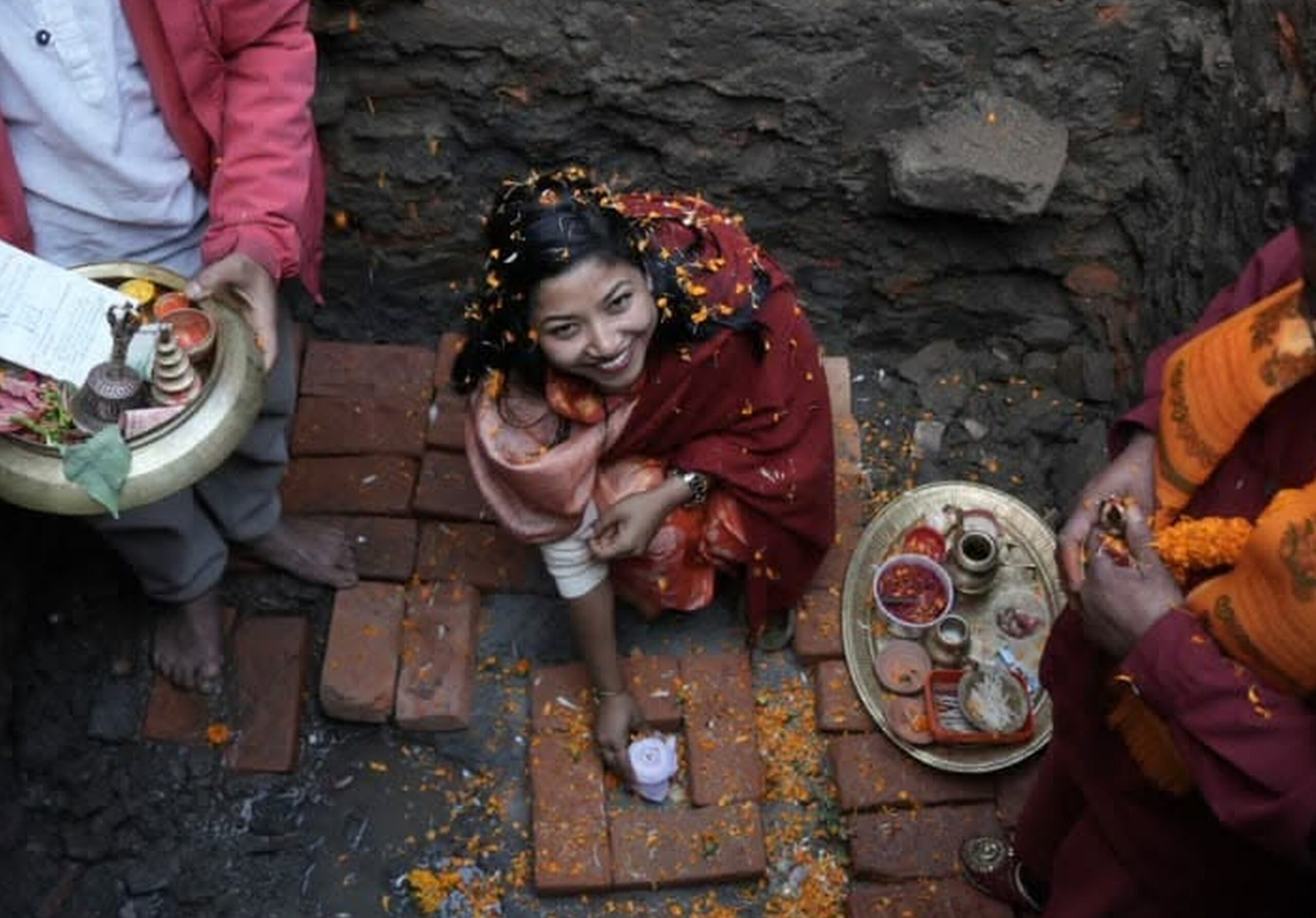
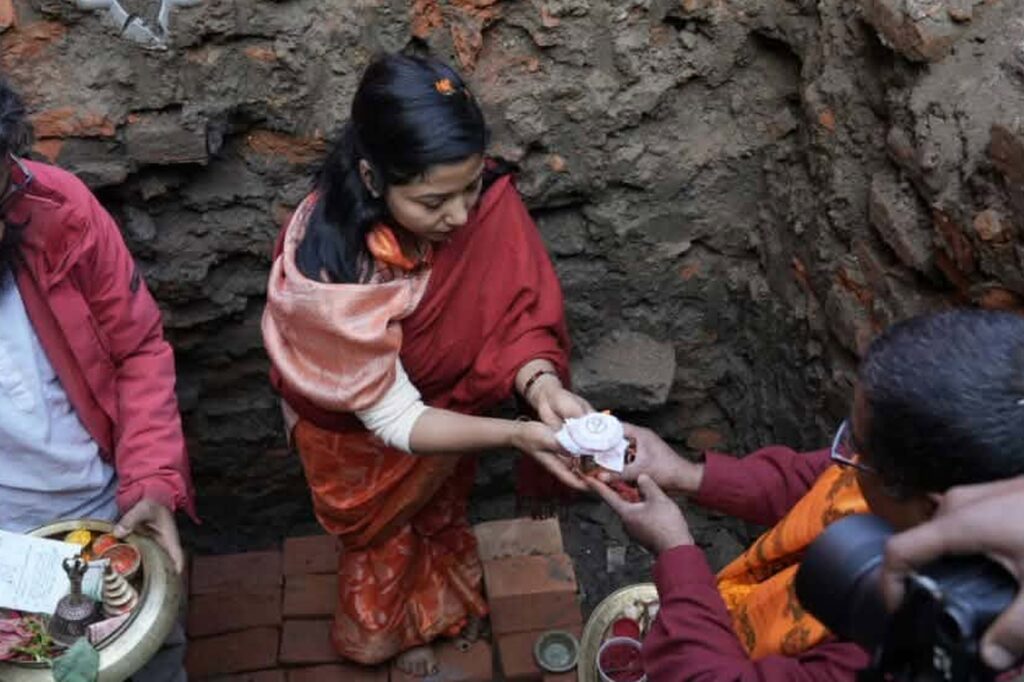
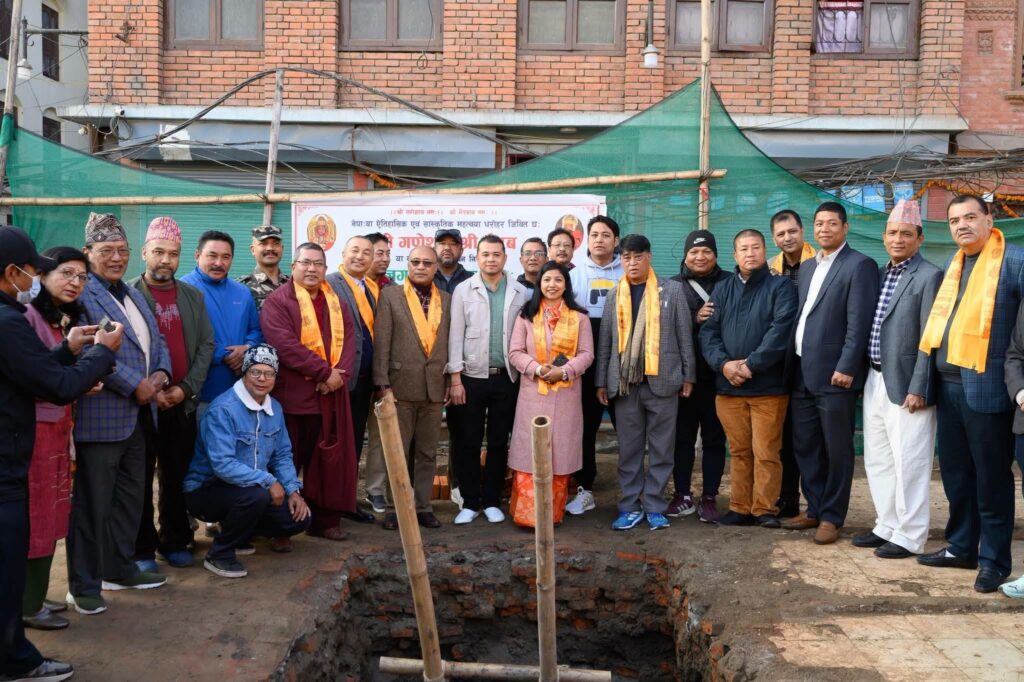
Acting Mayor Sunita Dangol performed the foundation-laying ceremony following traditional Bhumi Puja (ground worship) at the construction site on Saturday. The project has an estimated cost of Rs 60,795,057.
The initiative reflects the metropolitan city’s continued emphasis on safeguarding not only historic monuments but also the living traditions, rituals and cultural practices that form an integral part of Kathmandu’s identity.
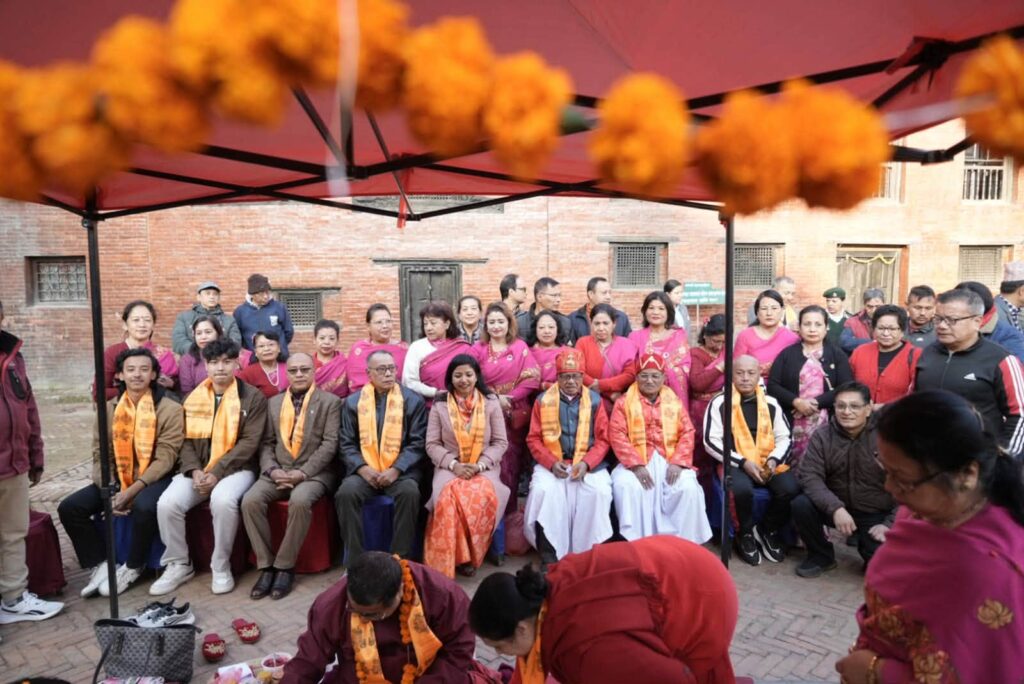
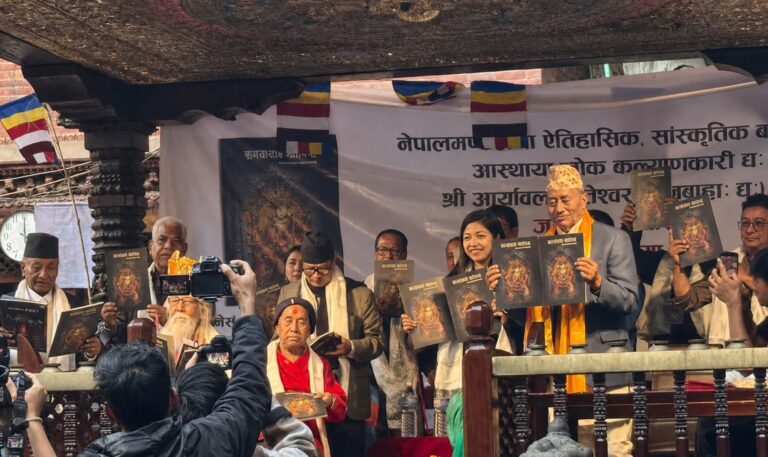
Speaking at the ceremony, Acting Mayor Dangol said the project had begun after years of effort and coordination, describing it as an important milestone in heritage preservation. She called for collective ownership and participation in the construction process and urged local residents to monitor the work as if they were building their own homes.
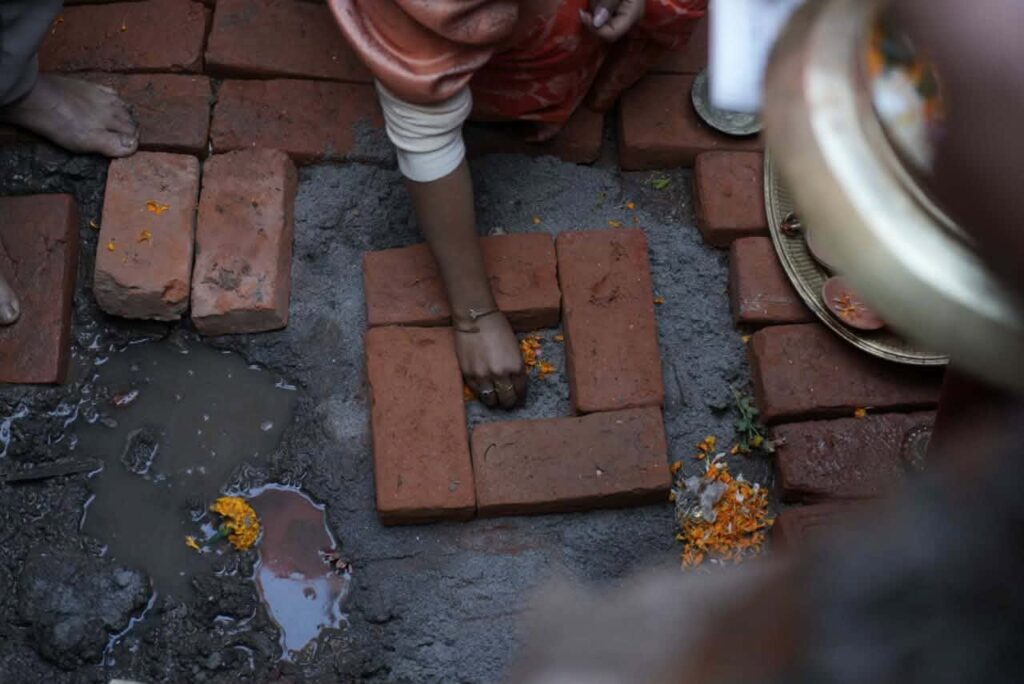
The foundation ceremony also saw the participation of ward chairpersons Binod Kumar Rajbhandari of Ward 24, Macharaja Maharjan of Ward 23, Rajesh Kumar Shrestha of Ward 19 and Rajendra Manandhar of Ward 20, who performed traditional ground worship at the four corners of the construction site.
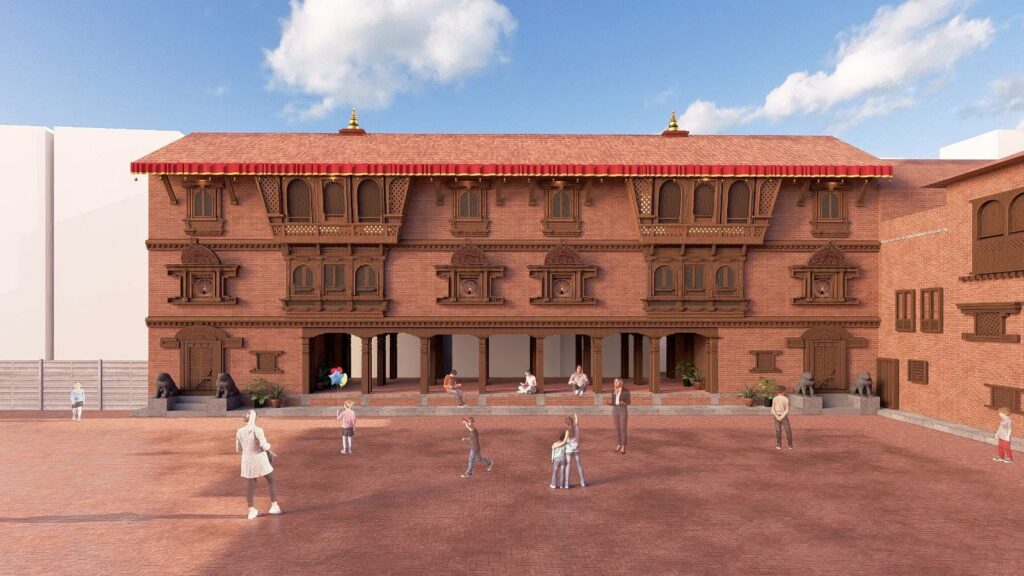
The proposed three-and-a-half-storey building will follow traditional Newari architectural principles, incorporating locally rooted materials such as bricks, timber, lime and surkhi (traditional brick-dust mortar). The structure will feature an artistically designed jhingati (traditional clay-tile) roof.
According to architect Amit Bajracharya, each floor will cover 1,338.75 square feet, giving the building a total floor area of 4,016.25 square feet.
The ground floor will accommodate a traditional sattal (public resting and gathering space) and storage rooms. The first floor will house a viewing room and residential quarters for the living deities, while the second floor will include a kitchen, bedrooms and other essential facilities.
Speaking on the occasion, Ward 23 Chairperson Maharjan described the beginning of the construction as one of the significant achievements of his nine-year tenure.
Former ward chairperson Pabitra Bajracharya, heritage conservation activist Ganapatilal Shrestha also appreciated the metropolitan city’s initiatives to protect and sustain Kathmandu’s cultural heritage.
Preserving Kathmandu’s living heritage
Kathmandu’s cultural identity extends beyond its historic temples, palaces and monuments. It is equally rooted in its living traditions, festivals, religious practices, traditional architecture and the communities that continue to safeguard them.
Under the leadership of Acting Mayor Sunita Dangol, Kathmandu Metropolitan City has continued to highlight the importance of heritage conservation, with initiatives aimed at protecting traditional structures, supporting cultural practices and maintaining the continuity of the city’s intangible heritage.
The construction of the residence for Shree Ganesh and Shree Bhairav represents an effort to provide appropriate traditional surroundings for the living deities while preserving the architectural and cultural character of the historic city.
For Kathmandu, heritage preservation is not simply about restoring old buildings; it is also about keeping its centuries-old traditions alive for future generations.