Massive Gen Z Protests Shake Nepal Amid Social Media Ban and Corruption Allegations


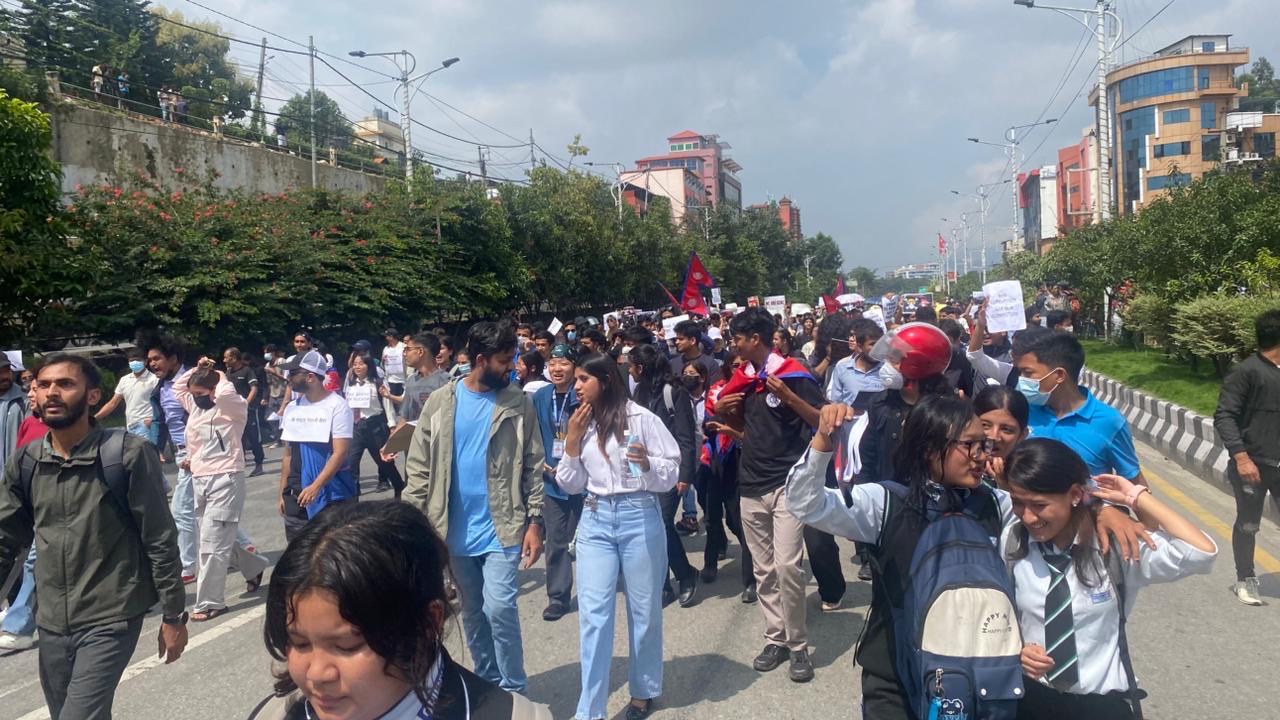
Kathmandu – Nepal witnessed some of its largest youth-led demonstrations in recent years as tens of thousands of citizens, predominantly students and young people, took to the streets in what has become known as the Gen Z protests. The movement erupted in September following growing public anger over corruption, misuse of state funds, and displays of wealth by government officials and their families.
The protests intensified after the government imposed a sweeping ban on 26 social media platforms on September 4, a move that critics described as an attempt to suppress dissent. Platforms including Facebook, X, YouTube, LinkedIn, Reddit, Signal, and Snapchat were among those shut down under new registration rules from the Ministry of Communication and Information Technology.
According to observers, the ban came shortly after a viral social media trend drew attention to nepotism and the privileges enjoyed by the children and relatives of Nepal’s political elite. The trend, widely shared by Gen Z users, galvanized frustrations over systemic corruption at both local and national levels.
Escalation of Protests
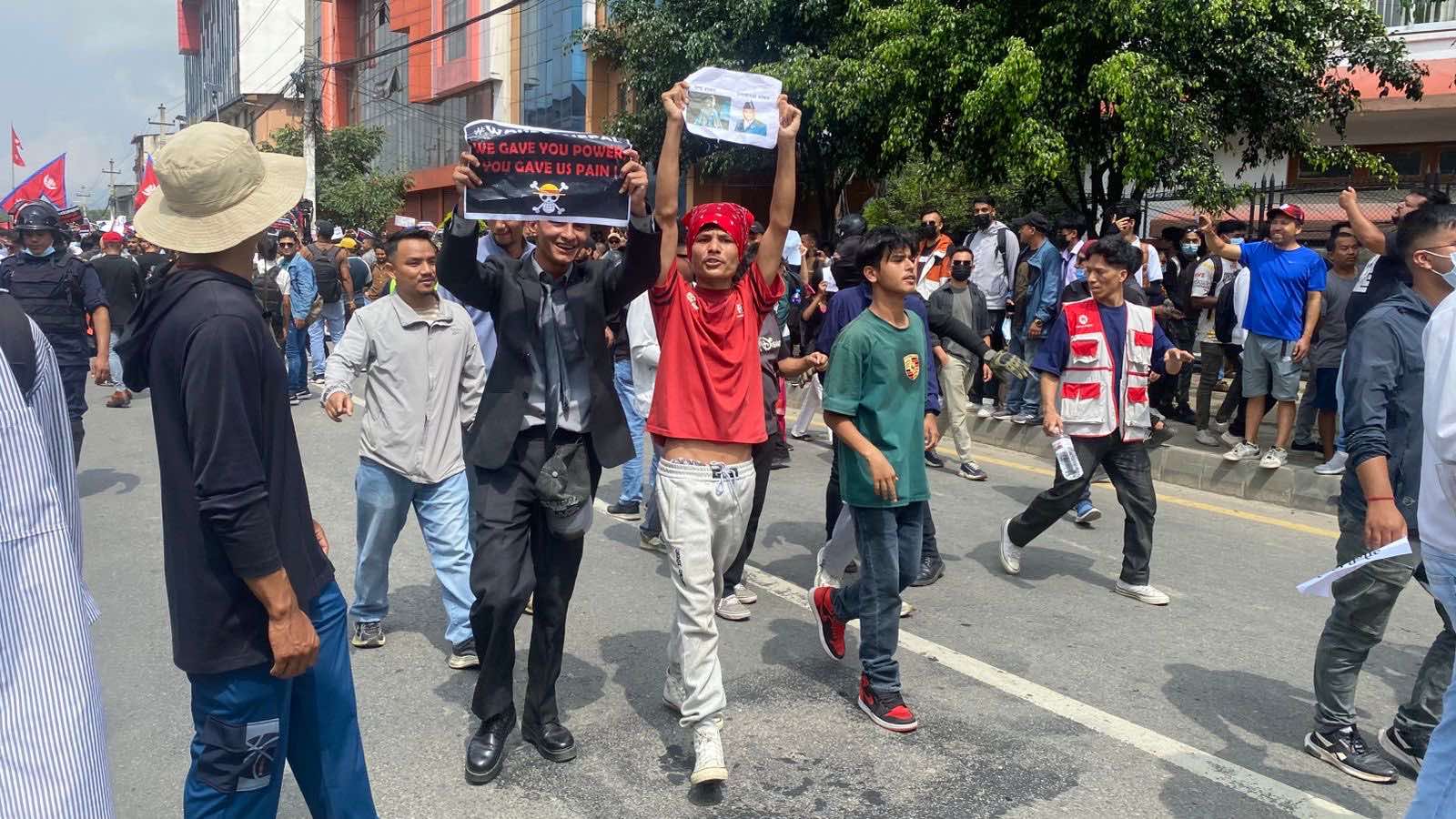
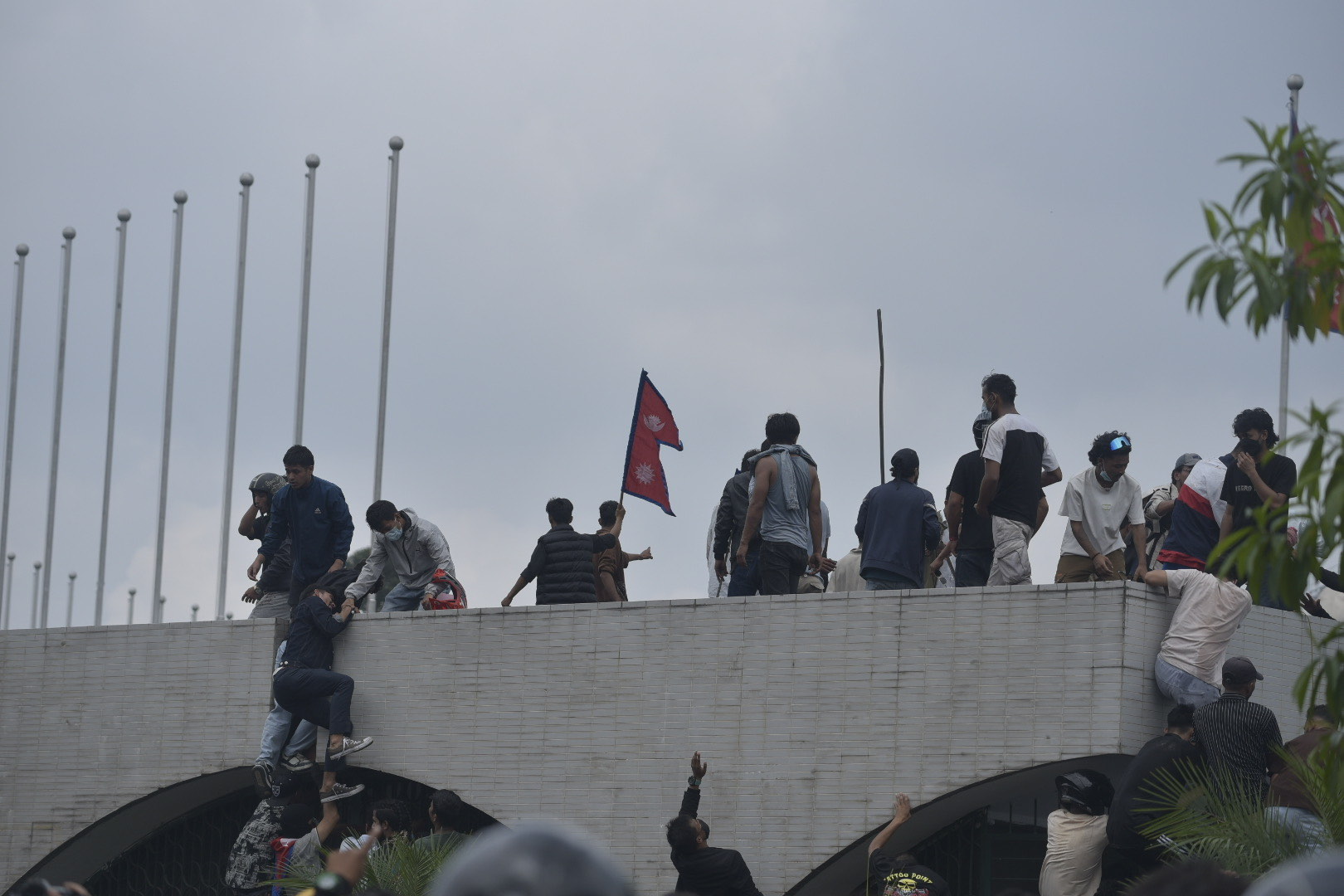
On September 8, large-scale demonstrations erupted in Kathmandu, particularly around Maitighar Mandala and the federal parliament building in New Baneshwor. The protests, which lacked formal leadership, attracted tens of thousands of participants demanding an end to corruption and the reinstatement of social media access.
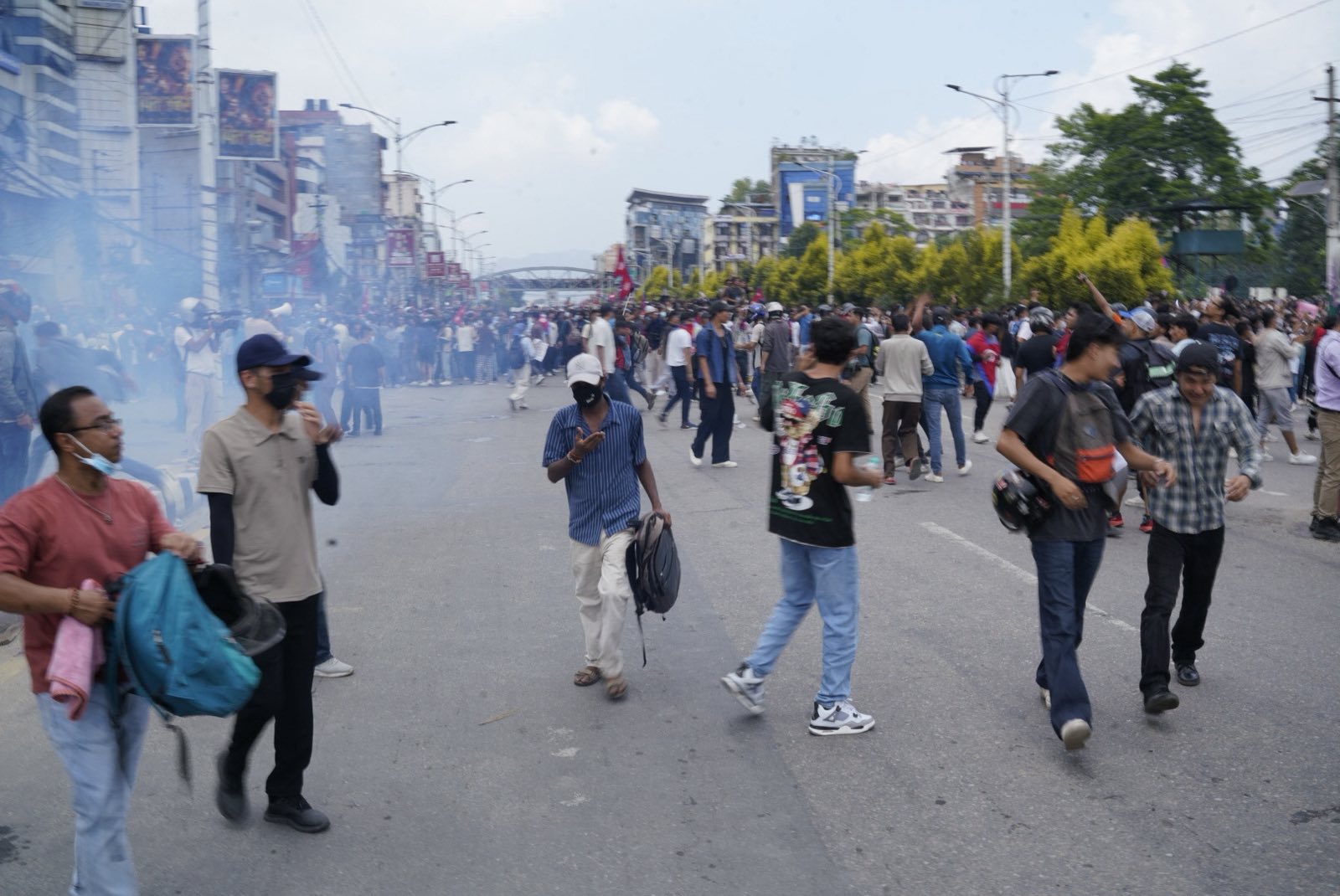
Tensions escalated when protesters attempted to enter the Federal Parliament premises. Security forces responded with tear gas, water cannons, rubber bullets, and even live ammunition. Some demonstrators waved the Straw Hat Pirates’ Jolly Roger flag from the Japanese anime One Piece, echoing similar symbolism seen in protests in Indonesia earlier this year.
The clashes turned deadly. At least 19 people were killed and 347 injured, according to reports.
Immediate Aftermath
The same day, amid mounting pressure, the government lifted the ban on social media platforms. Hours later, Home Minister Ramesh Lekhak resigned, citing moral responsibility for the deaths. On September 9, Minister of Agriculture Ram Nath Adhikari and Health Minister Pradip Paudel also stepped down from their posts.
Authorities imposed curfews in several cities, including Kathmandu, Birgunj, Bhairahawa, Butwal, Pokhara, Itahari, and Damak, in an effort to restore order.
Domestic Reactions
Former Minister of Justice Gobinda Bandi condemned the social media ban, arguing that it violated constitutional freedoms as well as Nepal’s obligations under the International Covenant on Civil and Political Rights (ICCPR).
The National Human Rights Commission (NHRC) urged the government to avoid excessive force and to exercise restraint in dealing with protesters.
The Rastriya Prajatantra Party (RPP), a key political ally providing confidence and supply to the current government, denounced both the ban and the violent police crackdown. The party went further, demanding the immediate dissolution of the government.
International Reactions
International organizations also voiced strong criticism. A spokesperson for the United Nations Office of the High Commissioner for Human Rights (OHCHR), Ravina Shamdasani, called for a probe into the killings.
Amnesty International condemned the crackdown and demanded an independent investigation to ensure accountability.
The Gen Z protests mark a significant turning point in Nepal’s political landscape, driven by frustrations over corruption, governance, and restrictions on free expression. While the lifting of the social media ban has addressed one of the protesters’ demands, the violent crackdown and the deaths of demonstrators have left the government facing mounting pressure both at home and abroad.


Related Stories