Emphasis Placed on Multi-Dimensional Use of Natural Resources
Kathmandu — A National policy dialogue has highlighted that Nepal’s natural resources must be conserved and also used in a sustainable, multi-dimensional way to support prosperity and green economic growth.
The discussion was held during a program titled “Role of Media in Natural Resource Management and Green Growth in Nepal,” jointly organized by the Nepal Forum of Environmental Journalists (NEFEJ) and the Earth Journalism Network (EJN).
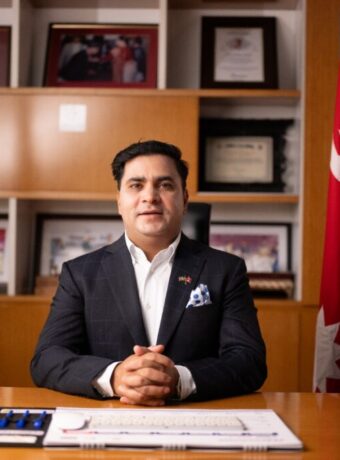
Speaking at the event, Minister for Forests and Environment Madhav Prasad Chaulagain said sustainable use of natural resources should be linked with environmental protection and national development goals. He emphasized that stronger coordination among all three levels of government is necessary, and added that media and institutions have an important role in supporting informed policy discussions and long-term reforms.
European Union Ambassador to Nepal Veronique Lorenzo stated that the media plays a vital role in environmental protection by raising public concerns during crises and bringing citizens’ issues to decision-makers. EJN Asia Regional Manager Emily Simmel also stressed that communication platforms can help promote green economic growth by highlighting practical pathways for resource-based development.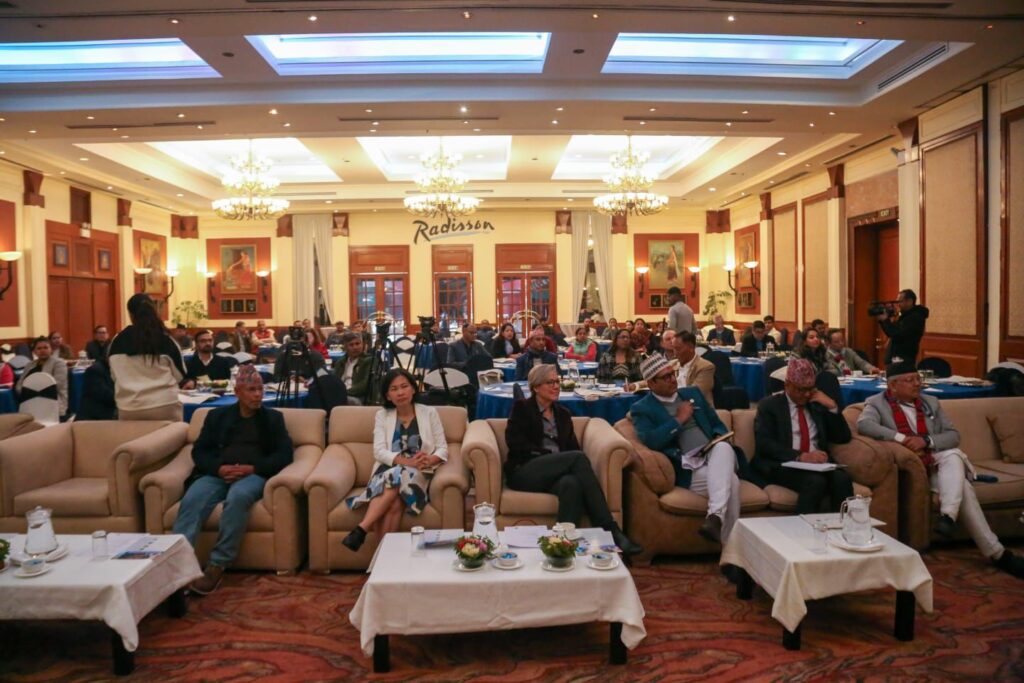
EJN South Asia Coordinator Ramesh Bhusal noted that journalism is changing rapidly due to the rise of social media and technology. He said technology-friendly journalism can help the public better understand natural resource governance and green growth opportunities.
A panel discussion was also conducted, with participation from Acting Chairperson of the National Natural Resources and Fiscal Commission Juddha Bahadur Gurung, Panchkhal Municipality Mayor Mahesh Kharel, WWF Nepal representative Dr. Ghana Shyam Gurung, former lawmaker Pratima Gautam, and FECOFUN General Secretary Parvati Gautam.
Participants said Nepal has made commendable progress in natural resource management, but challenges remain in diversified utilization. They recommended simplifying policy and legal provisions to ensure fair distribution of benefits, expand markets, and increase economic activities linked to resources. It was also pointed out that weak coordination among agencies has limited benefits for targeted groups, and that despite domestic availability of forest products, wider value-added use has not been achieved.
NEFEJ said it had previously held provincial dialogues across all seven provinces, and the national event was organized to consolidate key findings from those discussions.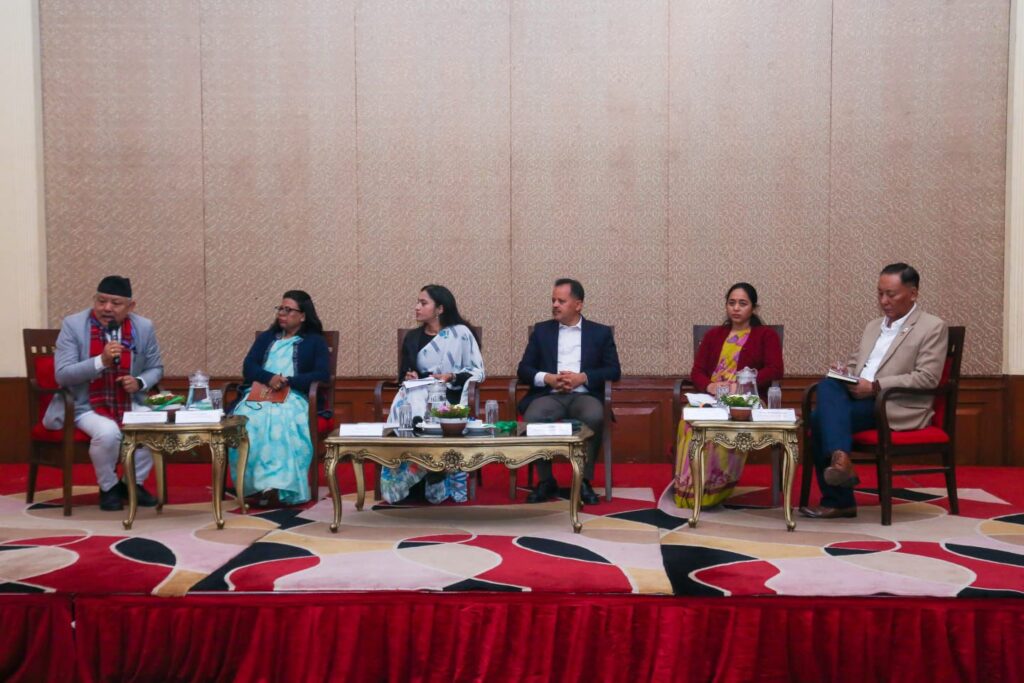
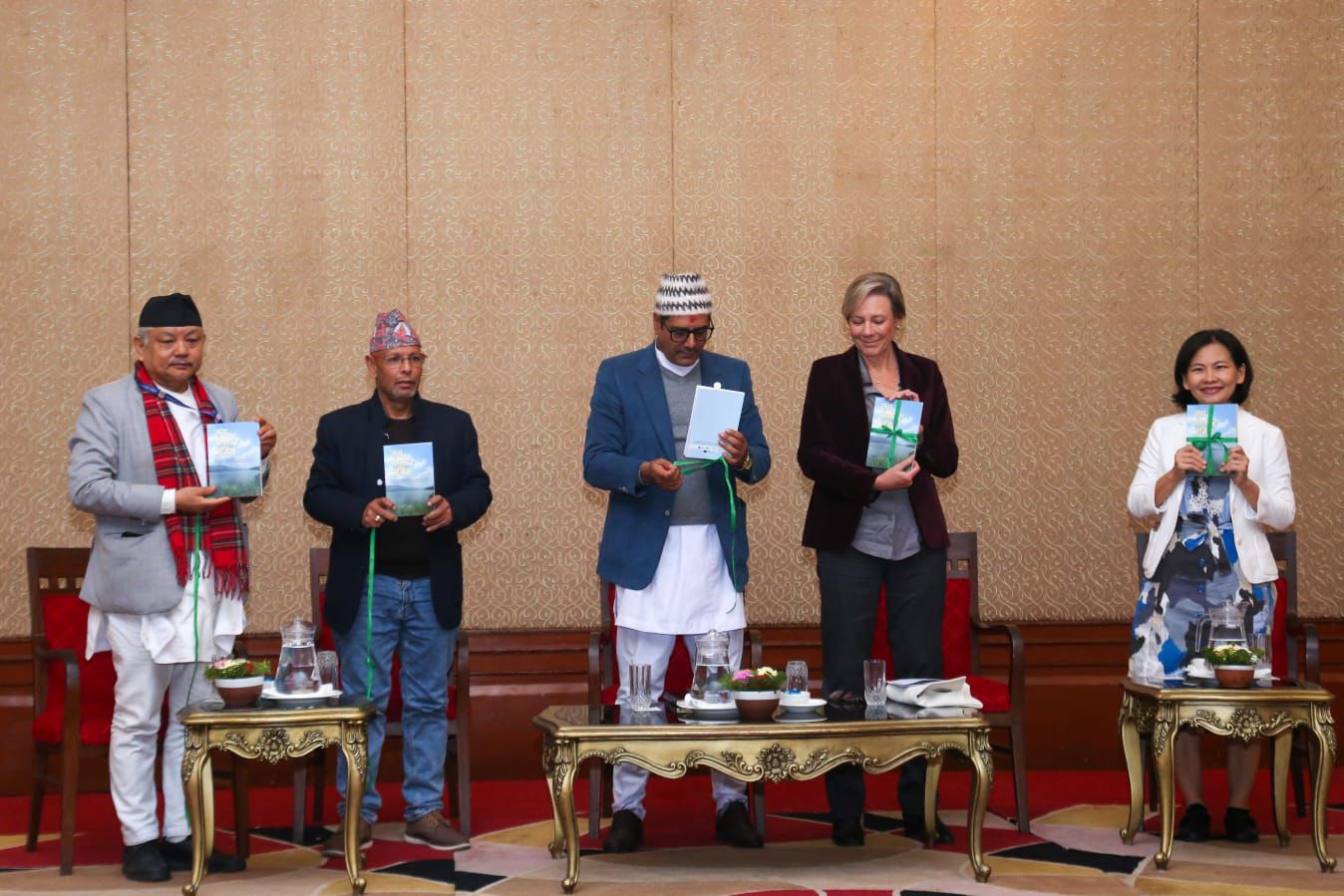
During the program, the book “Water, Forests and Land” was also launched. The publication includes 42 reports from all seven provinces, covering the condition of natural resources, impacts of unplanned development, tourism links, climate change challenges, and issues of uncontrolled exploitation.
NEFEJ stated that the reports were produced through a journalism fellowship under the “Media for Inclusive Green Growth” project, supported by the European Union and the Earth Journalism Network, with 42 journalists selected—six from each province.