Nepal Celebrates First National Millet Day to Promote Nutrition, Sustainability, and Food Security

Kathmandu – Nepal has officially marked its first National Millet Day on August 1 (Shrawan 16), placing a spotlight on one of the country’s most underutilised yet promising crops. With the slogan “Millet-Based Dishes for Food Security and a Healthy Life,” the day is being observed nationwide with events aimed at raising awareness, supporting smallholder farmers, and promoting the cultivation and consumption of millet.
A Step Toward Sustainable Agriculture
Millet is a traditional grain known for its high nutritional value and climate resilience. Unlike major crops such as rice, maize, and wheat, which require significant inputs of water, fertilisers, and chemicals, millet thrives in marginal environments with minimal irrigation and input. It is adaptable to elevations ranging from 60 meters to 3,650 meters and can be cultivated in all 77 districts of Nepal. These characteristics make it a sustainable crop choice in the face of climate change and growing concerns about food system sustainability.
Addressing Declining Cultivation and Rising Imports
Despite its benefits, the cultivation and consumption of millet in Nepal have been on the decline. According to government data, land under millet cultivation dropped from over 267,000 hectares in 2021/22 to approximately 228,000 hectares in 2022/23, and production fell to 310,847 tons. Meanwhile, imports of millet-based products are on the rise, with more than 15,000 tons worth over Rs. 760 million brought into the country last fiscal year. The government hopes that National Millet Day will spark a reversal of this trend by encouraging more local production and reducing dependence on imports.
National and Local Celebrations
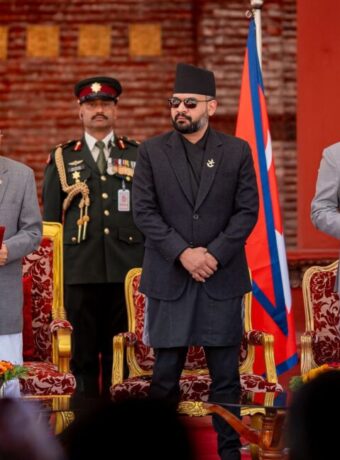
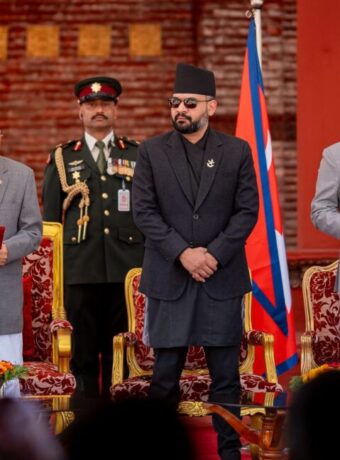
The main celebration was held in Tathali, Changunarayan Municipality, Bhaktapur, featuring activities such as millet planting, food exhibitions, and recognition of farmers and stakeholders who have contributed to millet promotion. In addition to the central event, local and provincial governments organised related programs across the country to broaden the campaign’s reach.
Nutrition and Health Benefits
Millet is a rich source of protein, dietary fibre, iron, calcium, magnesium, and essential vitamins. Its inclusion in daily diets could play a crucial role in tackling the rise of non-communicable diseases linked to poor nutrition and modern eating habits. By encouraging the preparation and consumption of millet-based dishes, the government aims to promote healthier lifestyles among the population.
Unlocking Economic Potential
As the fourth most important cereal crop in Nepal, particularly in the hills, millet has significant potential to boost rural incomes. Experts highlight that improving millet productivity through better seeds, irrigation, and modern techniques could revitalise the crop’s status. Additionally, promoting diverse millet-based food products can create new markets, especially among domestic and international tourists, homestay operators, and private entrepreneurs.
The decision to annually observe National Millet Day aligns with Nepal’s broader goals of achieving food sovereignty, enhancing climate resilience, and supporting the livelihoods of smallholder farmers. Moving forward, coordinated efforts in research, education, and policy support will be key to unlocking millet’s full potential in the country’s agricultural and nutritional landscape.