Kathmandu – Nepalis are celebrating Kukur Tihar, Narak Chaturdashi and Laxmi Puja as part of Yamapanchak, the five-day Tihar festival, with prayers, traditional rituals and colourful decorations across the country.
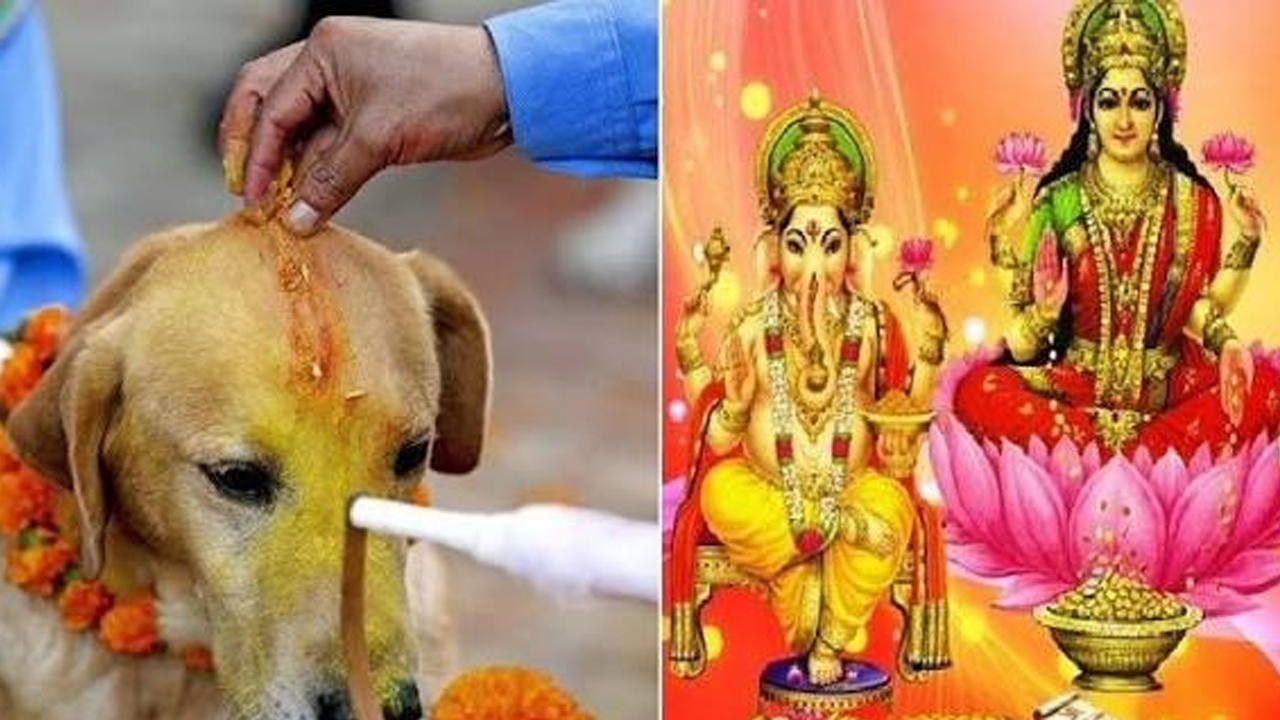
The day begins with the worship of dogs, which are honoured for their loyalty, protection and companionship. Families offer tika, flower garlands and special food to dogs as a gesture of gratitude and respect.
According to Hindu tradition, dogs are considered messengers of Yamaraj, the god of death, and guardians of the gates of the afterlife. Worshipping dogs on this day is believed to help devotees receive blessings and ensure a peaceful journey after death.
Hindu scriptures also highlight the importance of dogs. In the Mahabharata, a dog accompanied Yudhishthira, the eldest of the Pandavas, on his final journey towards heaven. Dogs are also associated with Lord Bhairav and are respected for their protective nature.
The occasion also marks Narak Chaturdashi, when devotees traditionally take a ritual bath before sunrise. The practice involves applying sesame oil and other sacred substances to the body, with the belief that the ritual cleanses sins and brings spiritual purification.
Other religious customs include offering water mixed with sesame seeds to Yamaraj, lighting oil lamps and performing prayers for protection from suffering and misfortune.
In the evening, families worship Goddess Laxmi, the Hindu goddess of wealth, prosperity and good fortune. Homes, shops and business establishments are cleaned and decorated with flowers, colourful rangoli patterns and traditional oil lamps to welcome the goddess.
According to popular belief, Goddess Laxmi visits clean, bright and welcoming homes. Families create symbolic footprints leading from their entrances to prayer rooms and illuminate their surroundings with rows of oil lamps.
Devotees also worship the eight forms of Goddess Laxmi, collectively known as Ashta Laxmi, representing different aspects of prosperity, knowledge, courage, success, family well-being and abundance.
During the evening prayers, offerings such as flowers, incense, fruits, sweets, rice, coins and currency notes are placed before the goddess. The night of Laxmi Puja is also traditionally known as Sukharatri, symbolising happiness, prosperity and good fortune.
The celebrations reflect the cultural and spiritual significance of Tihar, bringing together respect for animals, religious devotion, family traditions and hopes for peace and prosperity.