Nepal Introduces New Flexible Pricing for Upper Mustang Permits in 2025, Replacing the Longstanding 500 Dollar Entry Rule
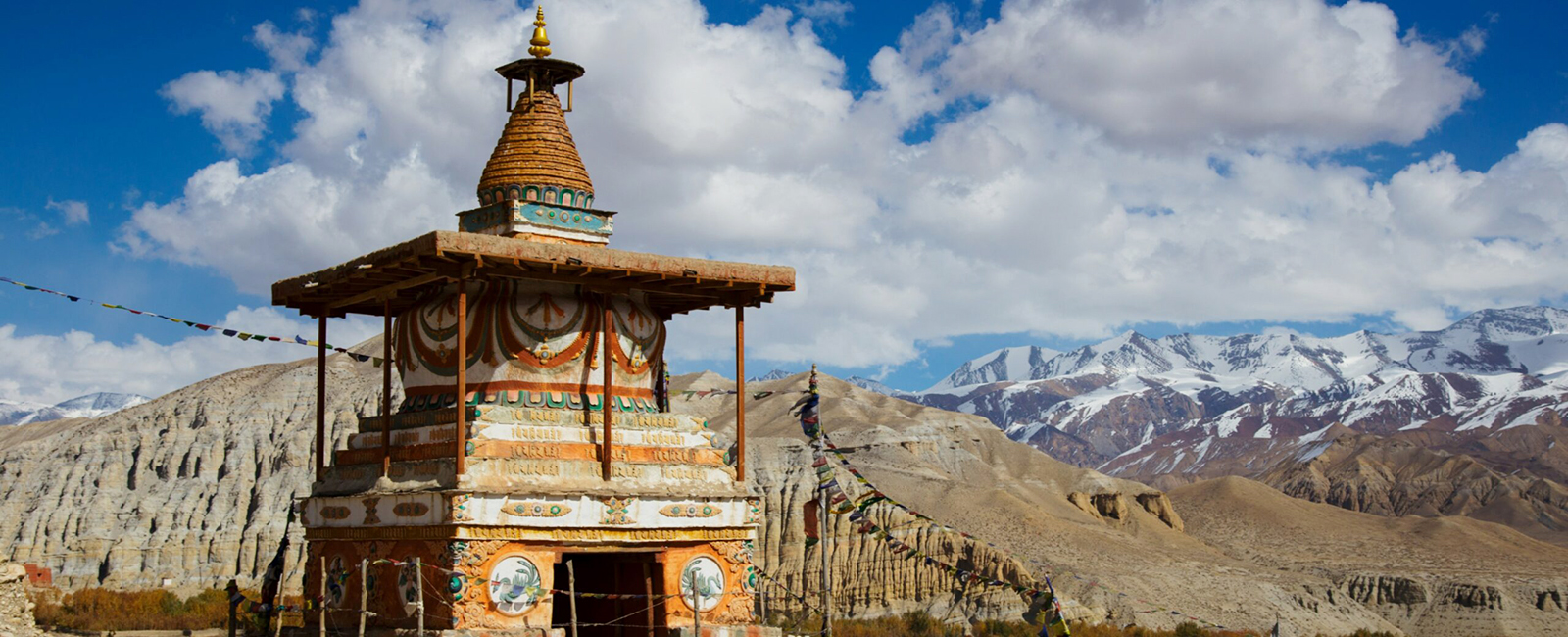
The Government of Nepal has rolled out a major revision to its trekking regulations for Upper Mustang, one of the country’s most culturally significant and environmentally sensitive areas. Beginning in 2025, the traditional 500 dollar flat permit charge covering the first ten days of travel in this restricted zone has been replaced with a more adaptable 50 dollar per day fee. This updated system represents one of the most substantial changes to Upper Mustang travel rules in recent years and is expected to influence how international visitors plan their treks, how the region is managed, and how tourism revenues are distributed.
For decades, Upper Mustang has been categorized as a restricted travel area due to its historical ties to Tibetan Buddhism, its close proximity to the Chinese border, and its fragile cultural and ecological environment. Travelers wishing to enter the region have been required to purchase a Restricted Area Permit issued through Nepal’s Department of Immigration and must travel with a licensed guide and a registered trekking agency. The steep price of the earlier permit – 500 dollars upfront – was originally intended to keep visitor numbers low while generating valuable revenue for government oversight and local economies. However, the cost gradually became a deterrent for many potential travelers who wanted to experience Upper Mustang but could not commit to a trip of ten days or more.
Under the updated system, all foreign trekkers will now pay 50 dollars per day for each day spent within the Upper Mustang zone. There is no minimum stay requirement, and the new model directly aligns cost with the length of time spent in the region. Permit tracking will continue under Nepal’s current digital immigration and trekking tracking framework, which has been expanding across multiple high altitude trekking areas over the past few years. This shift gives trekkers more freedom in planning customized itineraries, weekend explorations, festival visits, and shorter cultural trips, while maintaining oversight of travel movement within the region.
The reasons behind the policy shift are varied. Tourism leaders have long argued that the older policy limited visitor numbers more than necessary, resulting in lost business opportunities for local guides, porters, lodges, restaurants, and transportation services. Communities in Upper Mustang rely heavily on tourism as a primary source of income, and local leaders repeatedly pushed for a more accessible fee structure. The new model also positions Nepal to attract backpackers and mid range travelers who previously considered Upper Mustang out of budget. At the same time, Nepal has strengthened its digital permit tracking systems, making per day pricing easier to enforce. Regional dynamics also play a part, as easing access to Mustang may support broader tourism cooperation across the border region.
However, the new structure also introduces potential challenges. Conservation experts have expressed concerns that reduced entry costs may lead to higher visitor numbers. Upper Mustang’s dry Himalayan terrain, ancient cave complexes, and centuries-old monasteries are sensitive to environmental pressures. Without strong management, an uptick in tourism could strain limited water supplies, increase waste generation, and impact the preservation of religious and cultural sites. There is also the possibility that government permit revenue might decline if travelers overwhelmingly choose short itineraries rather than long expeditions. Thorough monitoring and data-driven decision making will be needed to ensure that increased visitor flow does not come at the expense of cultural or environmental sustainability.
Permit requirements themselves have not changed. Travelers still need a valid passport, documented travel insurance, and a registered trekking company to secure the permit. Independent trekking remains prohibited, and licensed guides must accompany all foreign visitors. The shift in pricing means that trekkers now need to carefully plan their schedules, as each additional day directly affects total cost. Factors such as altitude acclimatization, seasonal weather, festival dates, and potential side routes should be considered when building a customized itinerary.
The new pricing system also brings Upper Mustang more in line with other restricted regions. Areas such as Upper Dolpa already used a similar fee structure, while places like Manaslu and Humla follow their own established frameworks. Aligning costs is expected to make Upper Mustang more competitive among high-value trekking destinations as travelers evaluate where to spend their time in Nepal.
As Nepal continues developing its tourism identity, the 2025 permit update reflects a wider trend: making adventure travel accessible while maintaining structured management in remote border regions. If the policy succeeds in increasing visitor numbers without compromising heritage and environmental stability, Upper Mustang may enter a new phase of growth. For travelers, it is now easier than ever to experience the dramatic desert landscapes, remote monasteries, and walled settlements that make the region one of the most distinctive trekking destinations in the Himalayas.