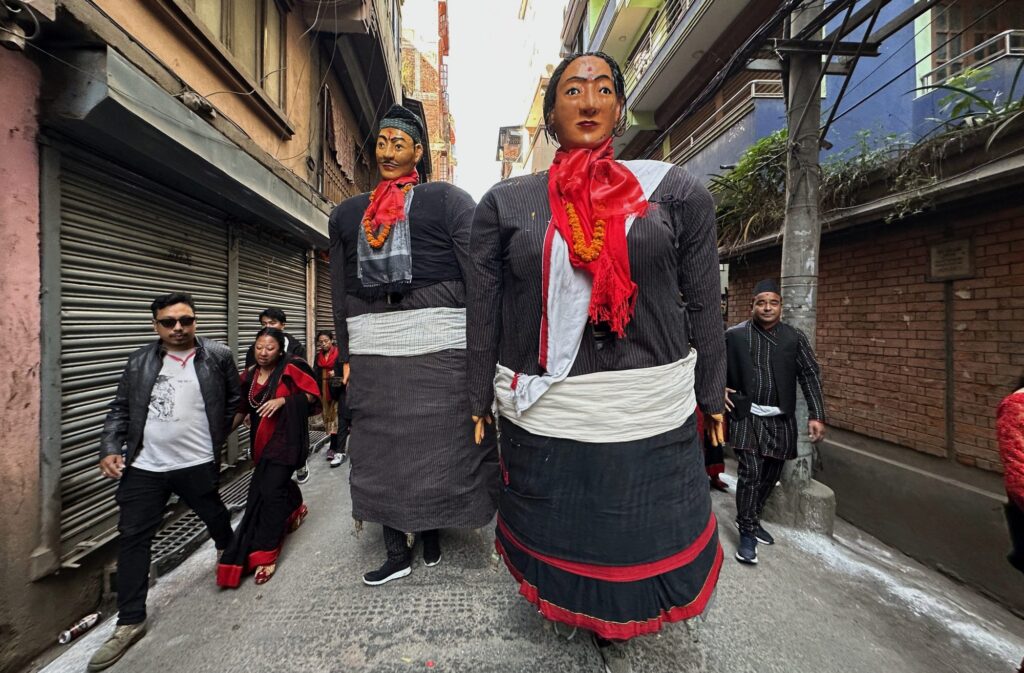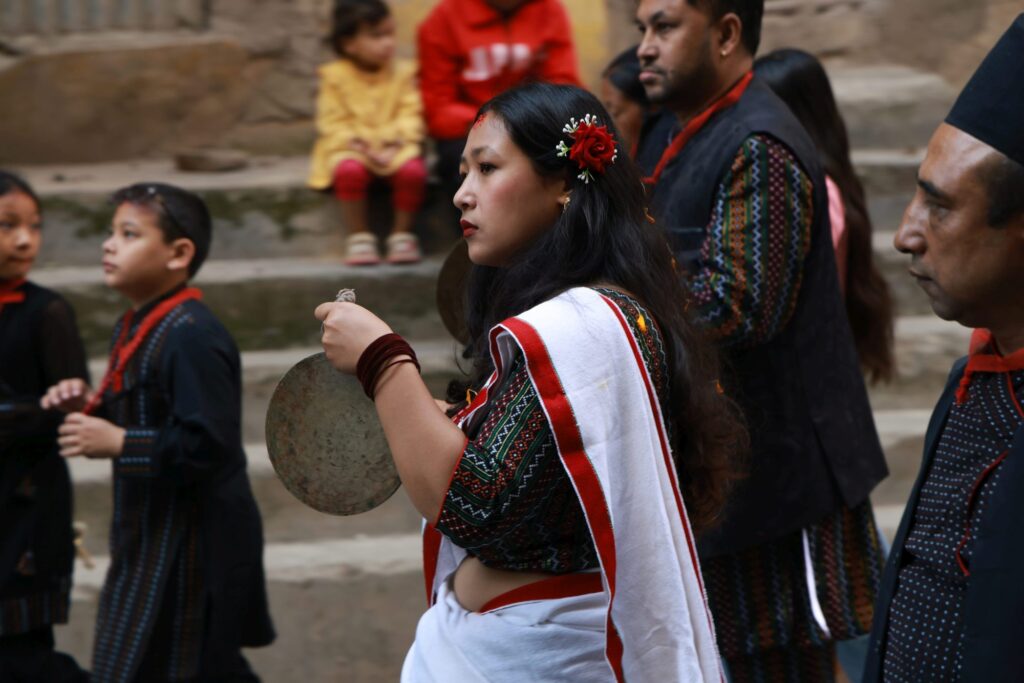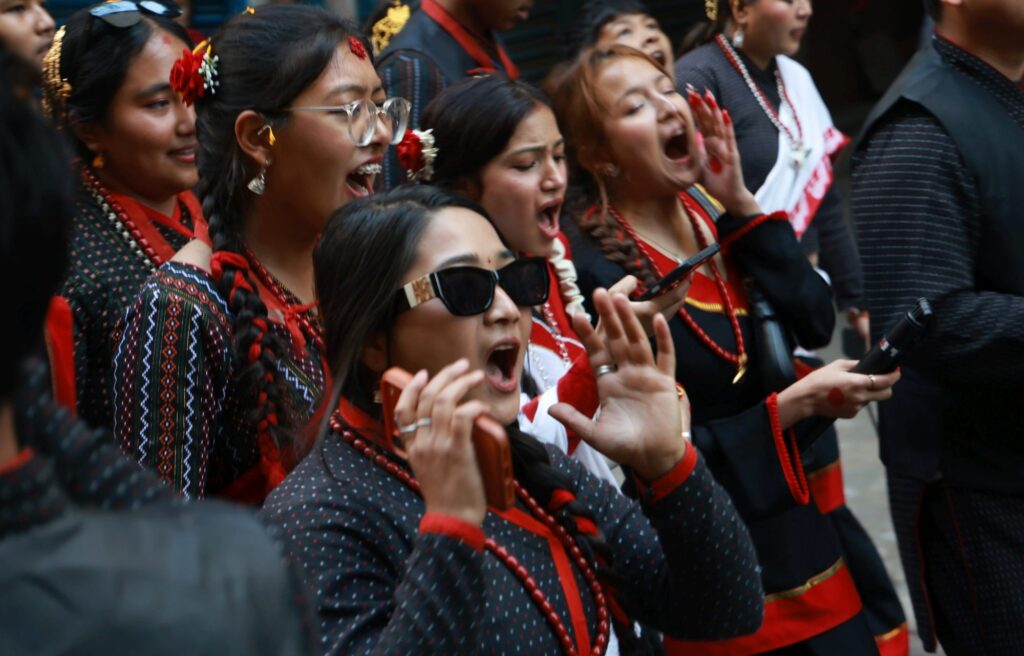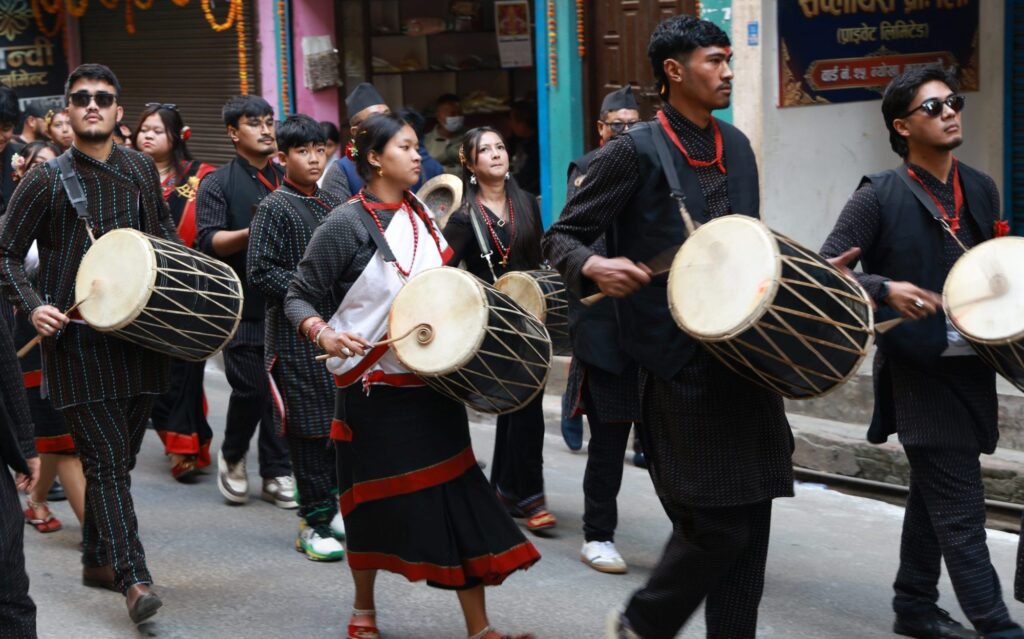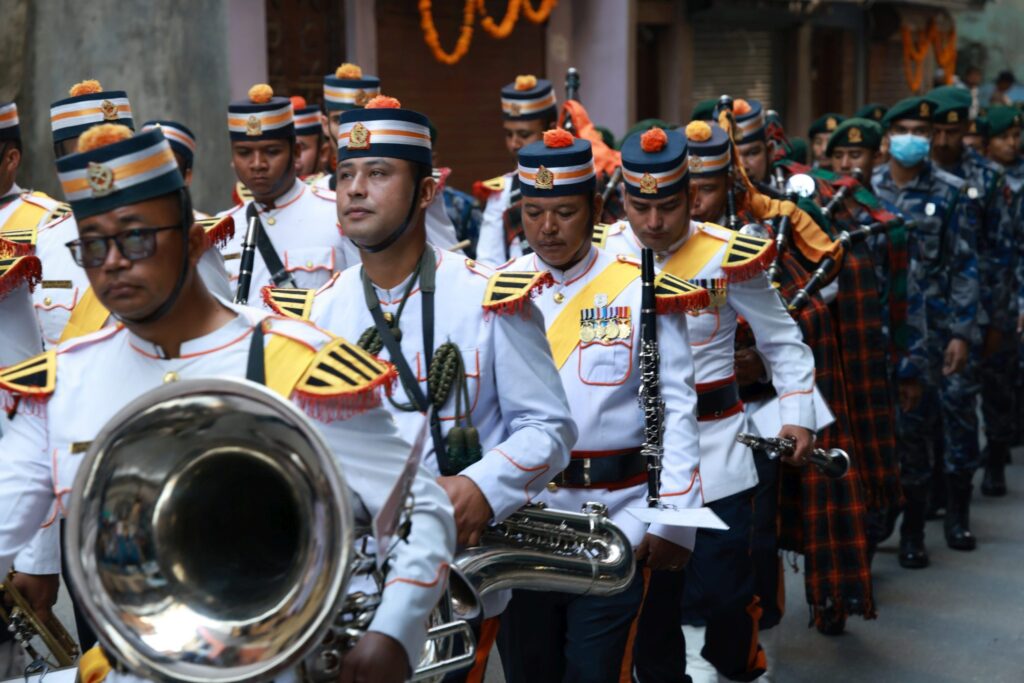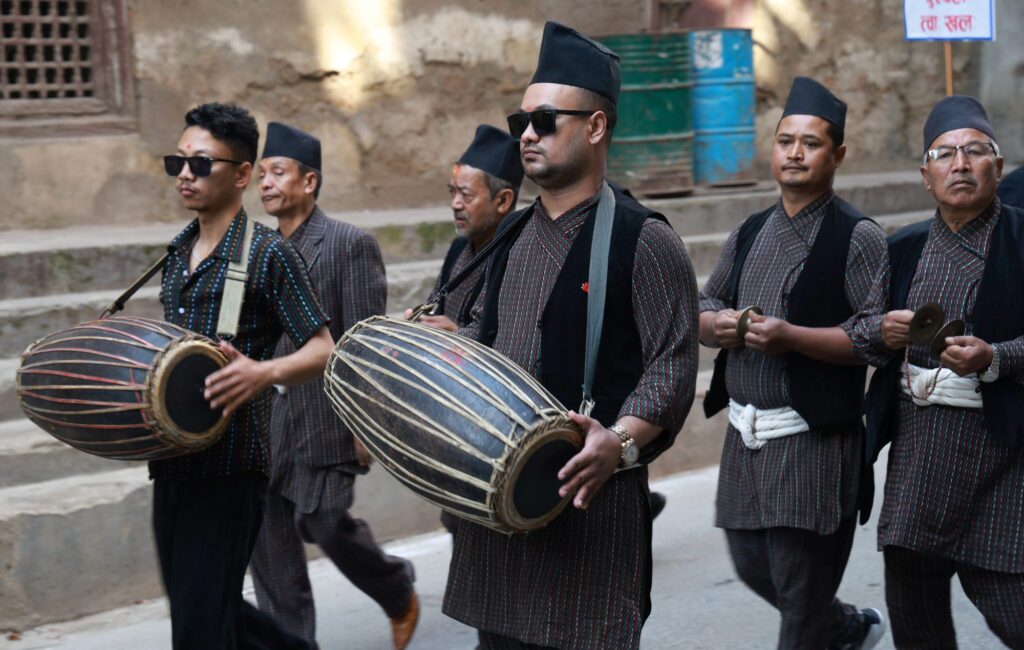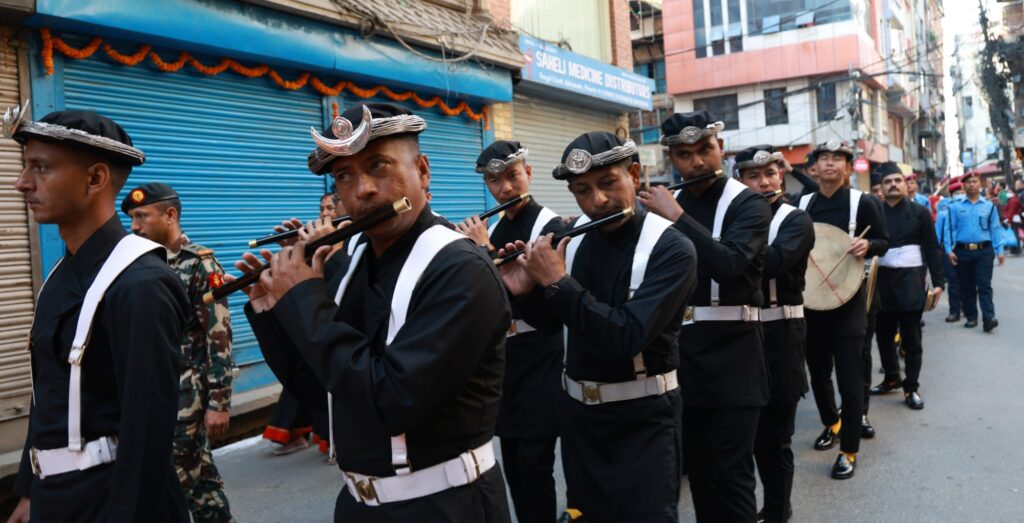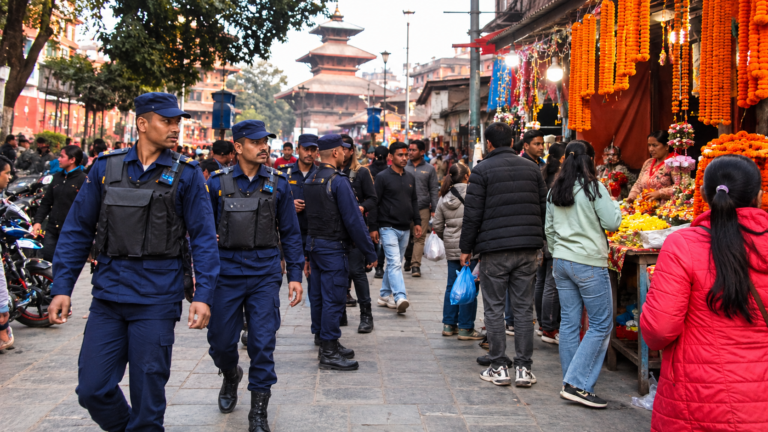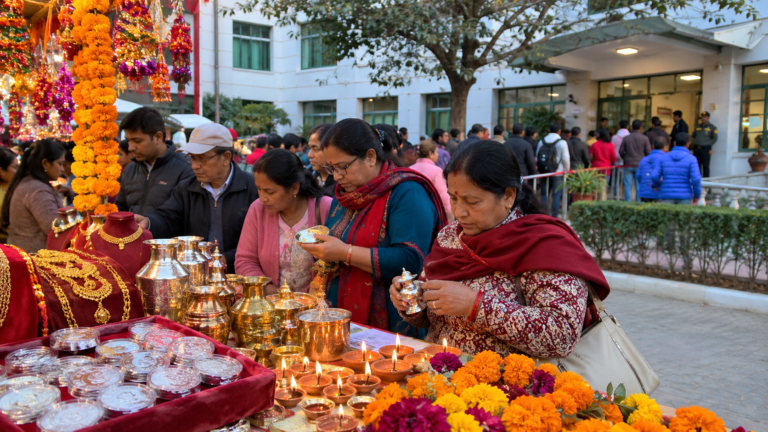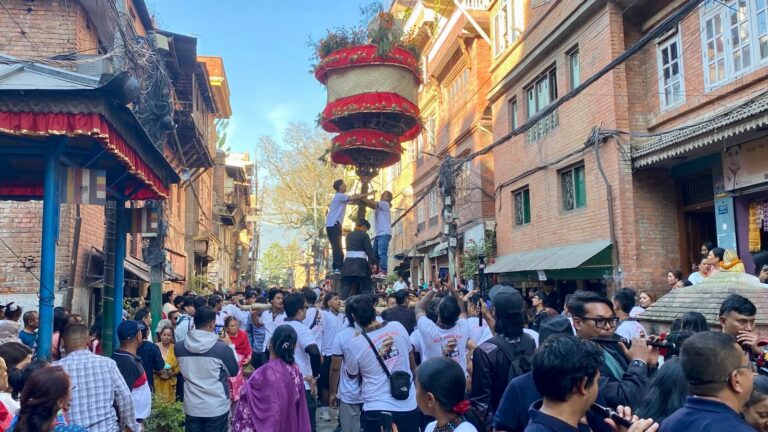
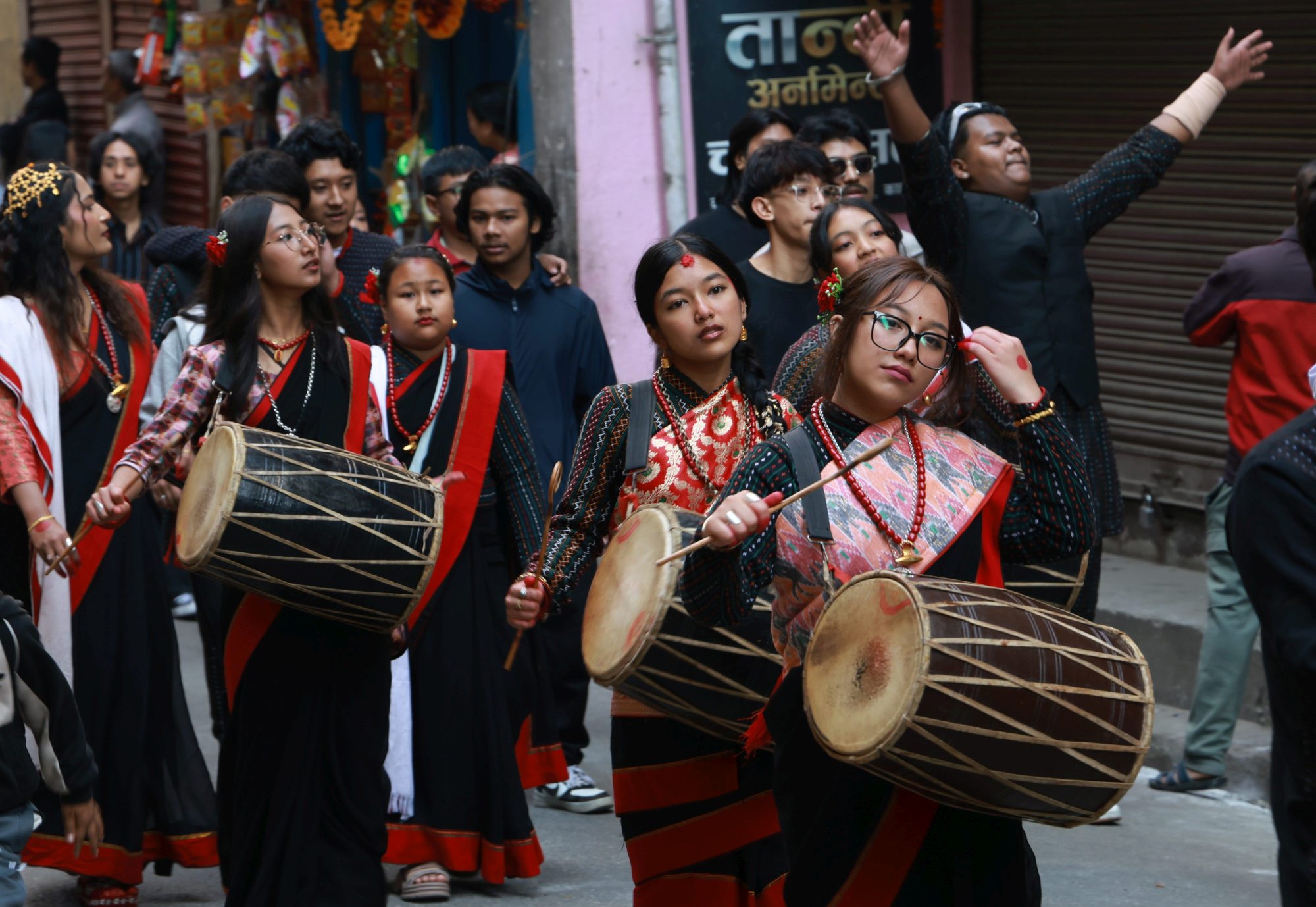
Kathmandu – Nepal Sambat 1147 has begun, with members of the Newar community celebrating the new year and observing Mha Puja, a traditional ritual dedicated to honouring the self.
Nepal Sambat is an indigenous calendar associated with Nepal’s Newar heritage. Its beginnings date to 880 AD, when national luminary Sankhadhar Sakhwa is traditionally credited with freeing people from debt and introducing the calendar.
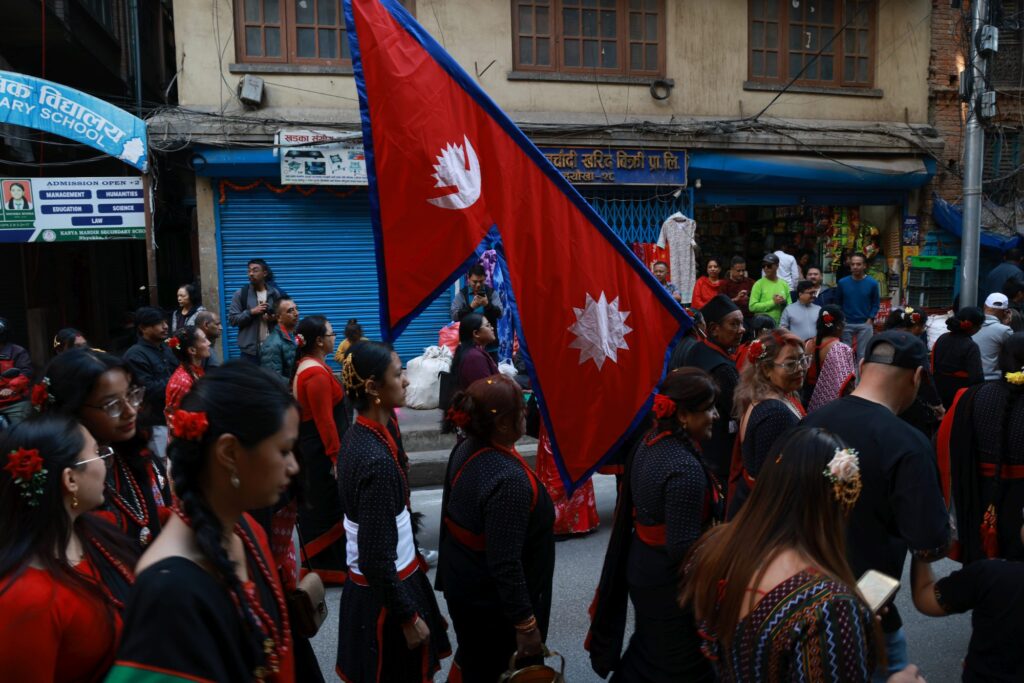
The calendar began during the reign of Licchavi King Raghav Dev and remained in official use until the period of King Prithvi Narayan Shah. It continues to hold historical and cultural significance, especially in the Kathmandu Valley.
New Year celebrations are traditionally held in Kathmandu, Lalitpur, Bhaktapur, Banepa, Dhulikhel, Bahrabise and other places with significant Newar populations.
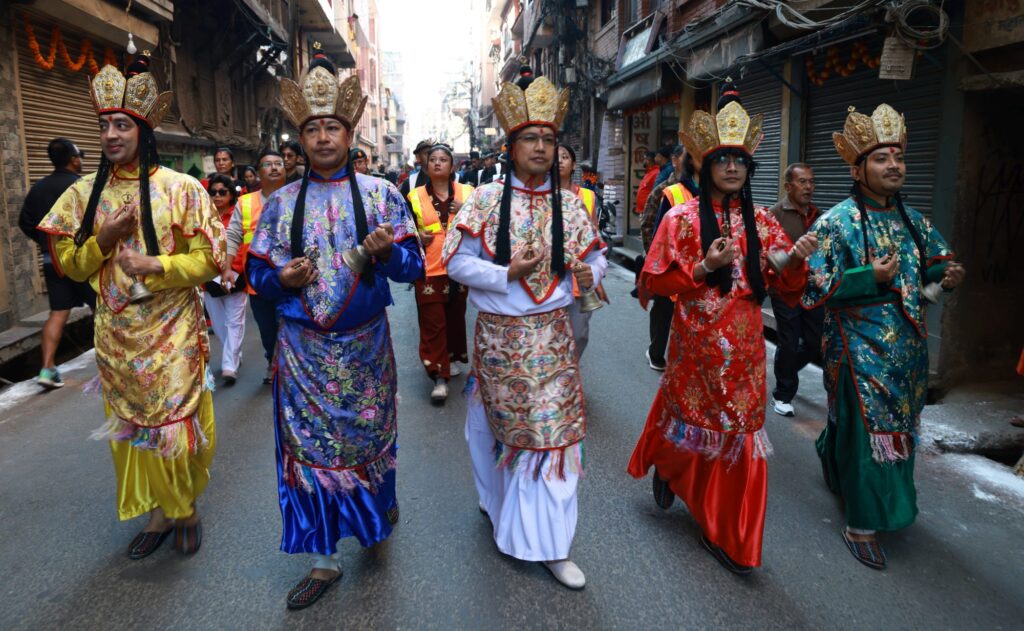
Sankhadhar Sakhwa was declared a national luminary in 1999 in recognition of his social contribution and role in establishing Nepal Sambat. The government announced national recognition of the calendar in 2008.
In Kathmandu, the occasion is also associated with the tradition of closing old account books on Kartik Krishna Aunsi and opening new records on Kartik Shukla Pratipada, the first day of the new year.
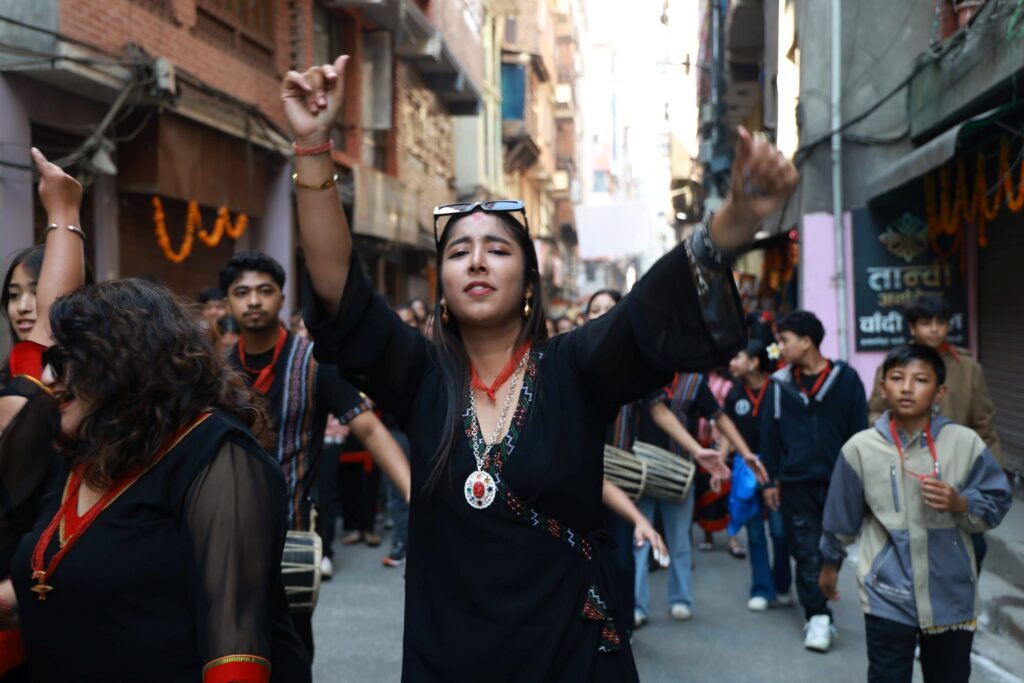
Members of the Newar community also observe Mha Puja, or worship of the self. The ritual reflects a belief in honouring the inner self and seeking spiritual well-being, prosperity and a meaningful life.
This year, because the Pratipada lunar date spans Monday and Tuesday, some communities observed the new year on Monday while others are performing Mha Puja on Tuesday.
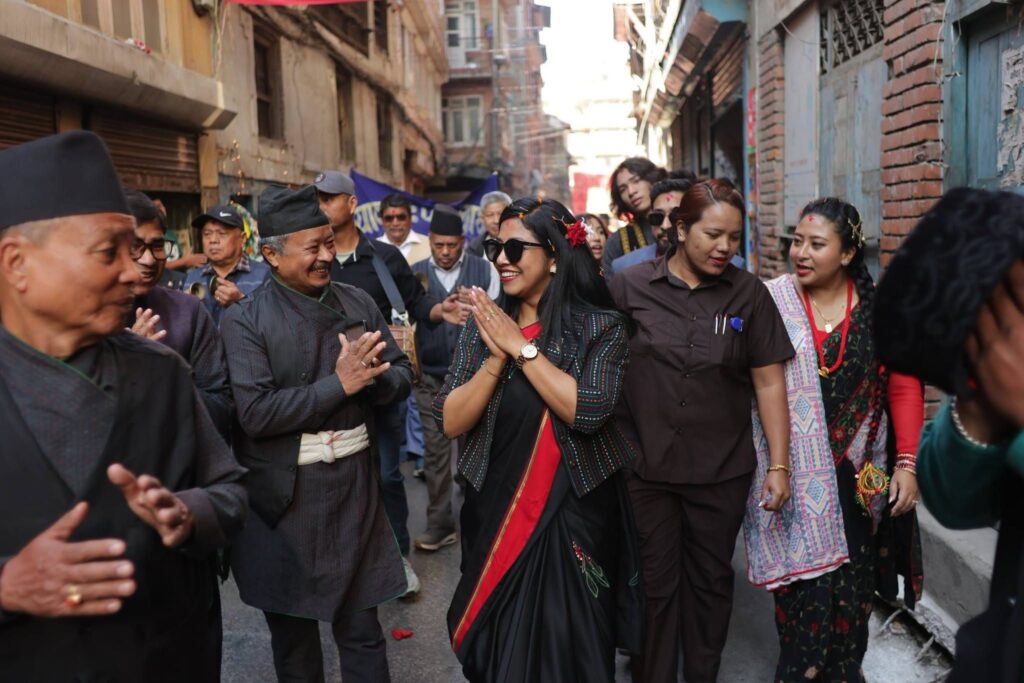
Despite differences in observance dates, Nepal Sambat remains an important symbol of Nepal’s cultural identity, history and community traditions.
Photo : Sunil Sharma