Nepal Tourism Board Unveils Strategic Leap with “Nepal–ASEAN Tourism Year 2026”
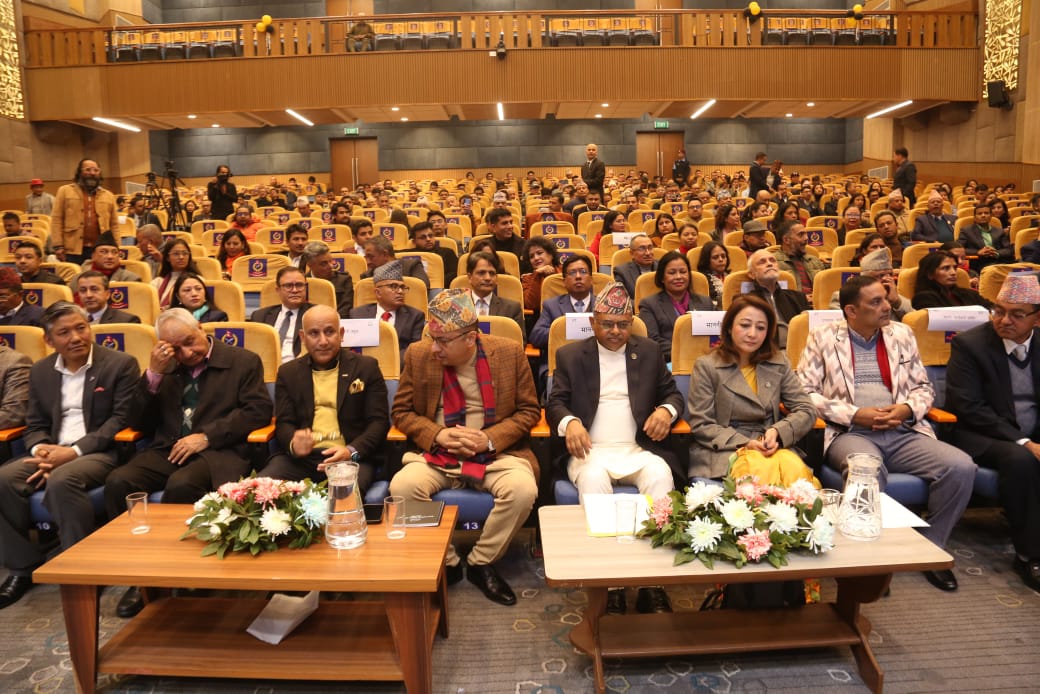
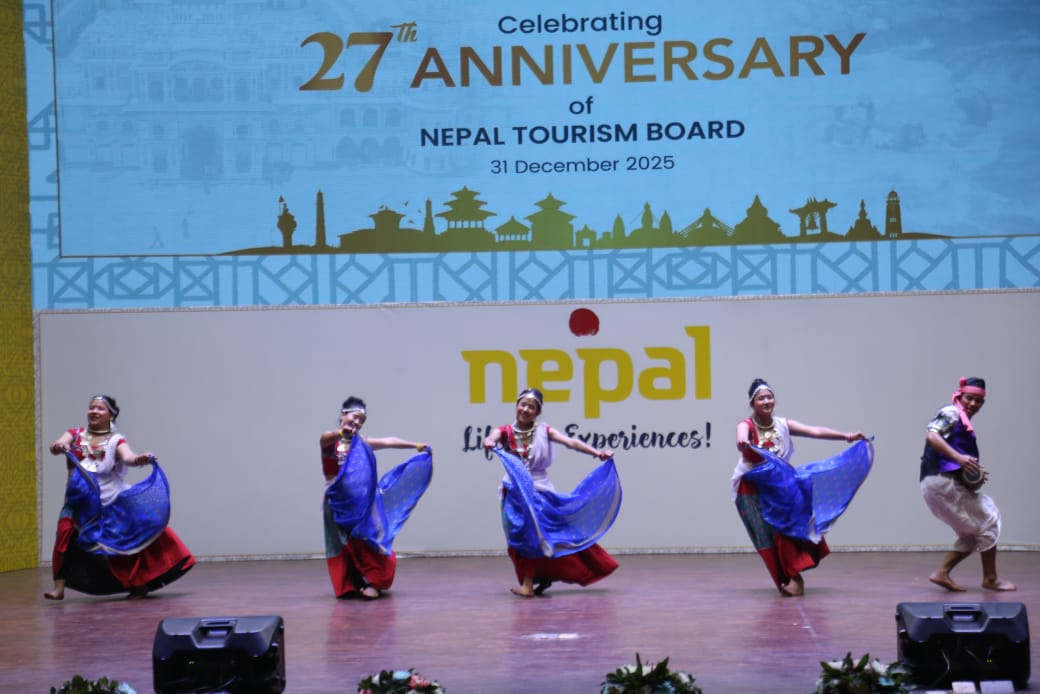
Kathmandu – Marking its 27th anniversary, the Nepal Tourism Board (NTB) formally announced the celebration of “Nepal–ASEAN Tourism Year 2026”, a strategic initiative aimed at strengthening Nepal’s tourism presence in Southeast Asian markets. The announcement was made during a special event held in Kathmandu, highlighting Nepal’s ambition to attract a higher volume of ASEAN tourists through innovative, experience-driven offerings.
Nepal Eyes ASEAN as a Key Tourism Market
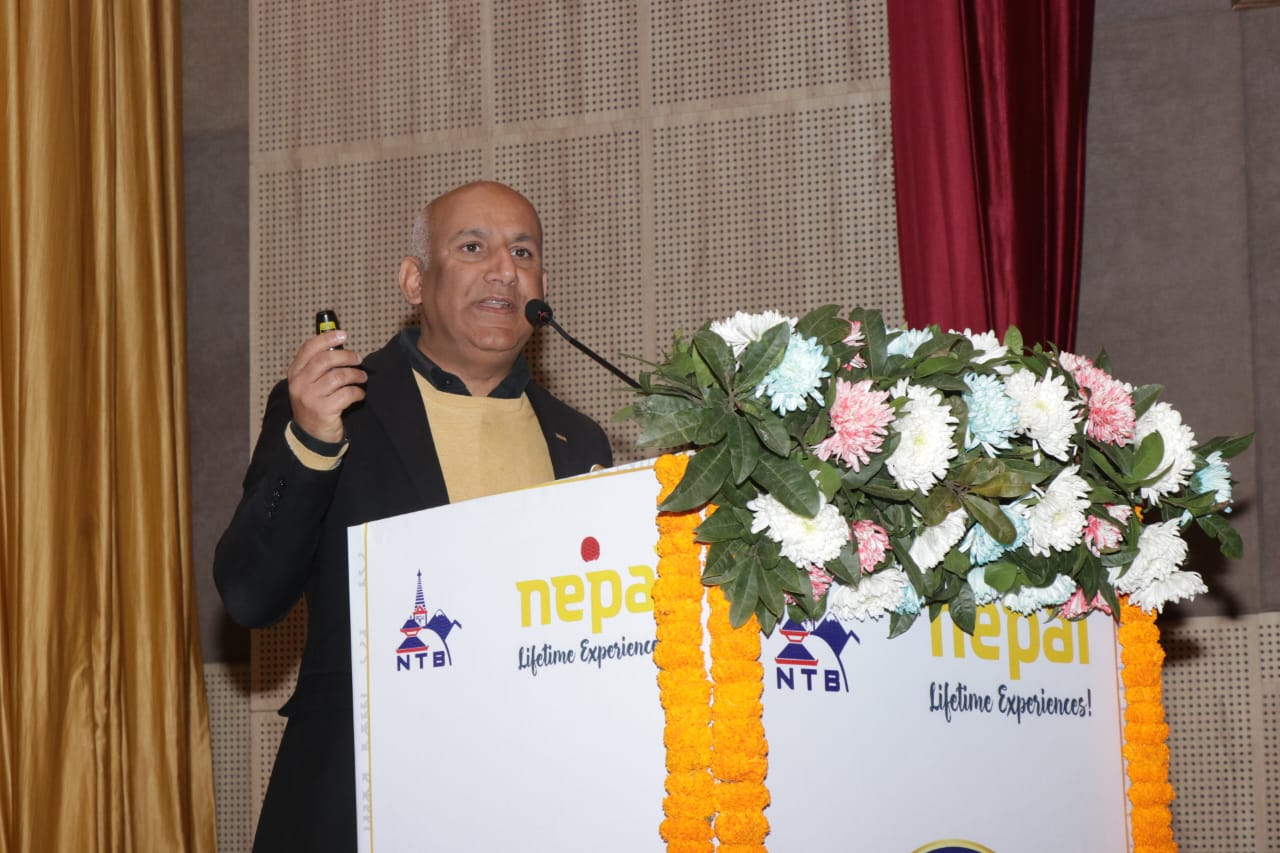
At the inauguration ceremony, Deepak Raj Joshi, Chief Executive Officer of NTB, welcomed the audience and outlined Nepal’s focused strategy for 2026. He emphasized that over 107,000 tourists from ASEAN countries have already visited Nepal, signaling a long-term growth opportunity for the sector. “Nepal will be positioned as a premier destination for Buddhist and spiritual tourism, nature and adventure tourism, wellness and Ayurveda, as well as cultural and community-based tourism in the ASEAN market,” Joshi stated.
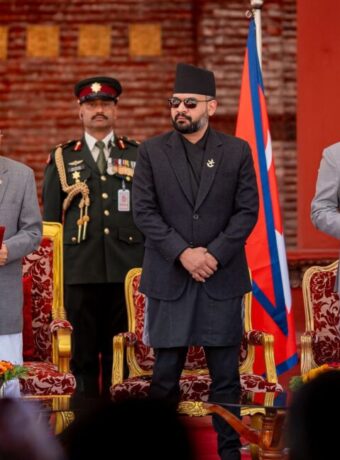
The event was chaired by Mukunda Niraula, Secretary of the Ministry of Culture, Tourism and Civil Aviation, with Anil Kumar Sinha, Minister for Culture, Tourism and Civil Aviation, attending as Chief Guest. Shraddha Shrestha, Minister for Women, Children and Senior Citizens, was present as a special guest, reinforcing the government’s commitment to tourism development.
Tourism Growth and Achievements in 2025
CEO Joshi shared projections for 2025, estimating 1.16 million tourists to Nepal, representing a 3% increase compared to the previous year. He highlighted that 31 tourism marts, 12 branding and corporate initiatives, and over 20 MICE (Meetings, Incentives, Conferences, and Exhibitions) programs were successfully organized last year.
He also detailed NTB’s efforts to promote tourism post-pandemic, including live broadcasts from eight major tourist destinations, publications of travel information in nine languages, and development of 69 tourism infrastructure projects. Additionally, NTB conducted 41 events and development activities from eastern to far-western Nepal, aimed at generating employment, enhancing market potential, and improving quality standards across key trekking routes.
“Tourism is not merely a core sector but a multi-cross sectoral engine for national growth,” Joshi stated. He noted that 2,600 professionals received training in 2025, aligning workforce capacity with market demands. NTB’s sustainable tourism projects along the Kanchenjunga, Manaslu, and Api-Saipal trekking trails have been instrumental in enhancing employment, improving quality standards, and boosting Nepal’s tourism market globally.
Seven Key Travel Trends Shaping 2026
To define Nepal’s tourism roadmap for 2026, NTB identified seven major trends that will guide visitor experiences:
- Peace over noise – prioritizing tranquil and less-crowded destinations.
- Gen-AI in administration – leveraging artificial intelligence for operational efficiency.
- Trust over selection – focusing on quality and reliability in services.
- Road over airways – exploring travel connectivity through scenic road routes.
- Personalized experiences – catering to highly customized travel expectations.
- Off-grid destinations – promoting lesser-known, experiential locations.
- Culture-first approach – preserving and highlighting Nepalese heritage and traditions.
Joshi outlined NTB’s strategic vision for 2026–2035, emphasizing participatory approaches, digitally-driven professionalism, innovative policy coordination, blending local and global experiences, elimination of non-productive programs, and a focus on high-value tourism.
Collaboration and Institutional Development
Ram Prasad Sapkota, NTB Vice-Chair, reiterated that programs are designed for measurable outcomes, with coordination between private and public sectors. Santosh Bikram Thapa, Chairperson of NTB staff association, stressed the need for professional development, financial regulations, and structured staffing policies to strengthen institutional capacity.
The event also featured video messages from PATA CEO Nur Ahmed Hamid, the World Tourism Network, and UN Tourism, underlining global recognition and support for Nepal’s tourism initiatives. Additionally, NTB released its annual publication “In-Focus”, showcasing the Board’s progress and strategic outlook.
Looking Ahead
With the declaration of Nepal–ASEAN Tourism Year 2026, NTB is set to enhance Nepal’s position as a premier regional destination, fostering cross-border tourism, promoting sustainable practices, and delivering high-quality, personalized experiences to international travelers. This initiative reflects Nepal’s broader ambition to harness tourism as a dynamic sector that drives economic growth, cultural preservation, and community development over the coming decade.
The NTB’s vision not only reinforces Nepal’s competitive edge in global tourism but also signals an era of strategic planning, innovation, and targeted market engagement, particularly in Southeast Asia, ensuring the country remains a top choice for culturally and ecologically conscious travelers.