Nepal’s Interim Government Proactively Moving Towards Transparent, Digital, and Accountable Governance
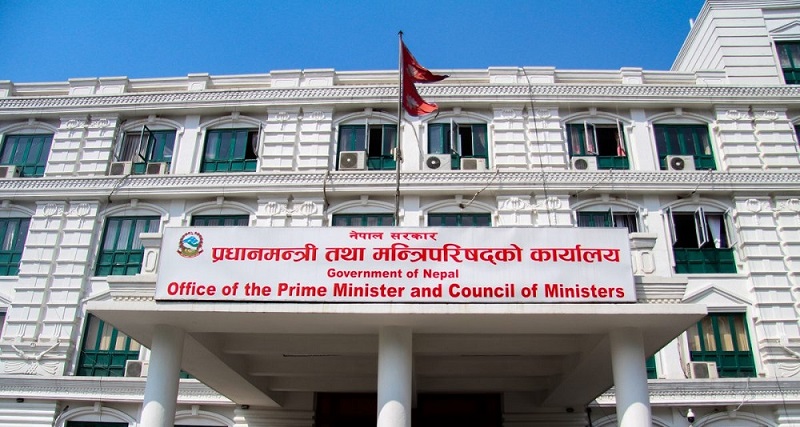
Kathmandu – In the wake of the Gen Z protests on September 8 and 9, 2025, Nepal entered a transformative phase in governance. The youth-led movement, demanding transparency, accountability, and efficiency from those in position and public offices, shook the political establishment, leading to the formation of an interim government. The administration, led by a new cabinet with interim Prime Minister Sushila Karki at the forefront, has already signaled a departure from the practices of its predecessors, focusing more on what needs to be done via embracing digital tools, public engagement, and stricter oversight of government employees.
A Government That Listens
One of the most visible shifts in the interim government’s approach is its responsiveness to citizens’ concerns. Historically, the public has had to endure slow bureaucratic processes, corruption, and the need to make personal visits to government offices, often without any resolution. This interim government has sought to change that culture.
Under the leadership of Finance Minister Rameshore Khanal, the Ministry of Finance (MoF) introduced a direct complaint mechanism. Citizens can now report if an employee unnecessarily delays services, pressures individuals or institutions into improper practices, or demands bribes. Complaints can be sent via email to rameshore@mof.gov.np or gunaso@mof.gov.np. Within just six hours of the system’s introduction, the MoF had received 166 emails, as per the Facebook post shared by Finance Minister. This digital channel allows citizens to hold the government accountable without having to visit Singha Durbar, marking a significant step in reducing bureaucratic red tape.
Leveraging Technology for Efficiency
Digitalization has become the cornerstone of this interim government’s administrative reforms. From September 26, Minister Khanal announced to begin digitally approving all memos within the MoF, signaling the transition from manual to digital workflows. This not only speeds up decision-making but also creates a traceable system, making it harder for delays or arbitrary interventions to occur. Its other benefits include; reduced costs, enhanced transparency and accountability, secure record-keeping, alignment with digital Nepal framework, along with providing ability to create a clear audit trail and reduce human intervention in routine tasks so that the issues like corruption can be curbed alongside promoting good governance.
By incorporating digital systems, the government is tackling two major issues simultaneously: improving efficiency and enhancing transparency. Every action taken in the ministry is now recorded and trackable, reducing the space for discretionary delays or corrupt practices.
Responding to Gen Z’s Demands
The recent protests by Gen Z reflected a growing impatience among Nepal’s youth with traditional bureaucratic inertia and political corruption. They demanded a government that listens, acts quickly, and enforces accountability. The interim government appears to be taking these concerns seriously.
The rapid response to emails in the MoF and the digitalization of administrative approvals are concrete examples of how this administration is actively trying to meet the expectations of the youth. By opening direct channels for complaints and accelerating decision-making, the government is fostering a sense of inclusivity and participation, reinforcing the notion that public service exists to serve the people, not hinder them.
Tackling Corruption Head-On
Corruption has long been a systemic challenge in Nepal’s public administration, hampering development and undermining public trust, eventually leading the Gen Z to streets. The new interim government proactively aims to reduce opportunities for bribery and favoritism. By allowing citizens to report unethical behavior and ensuring timely action on complaints, the government is sending a clear message: corrupt practices will not be tolerated.
Moreover, the shift to digital approval of memos reduces the scope for under-the-table dealings, as all decisions are now documented and traceable. This systematic approach to governance will likely discourage employees from attempting to manipulate processes or demand undue favors.
Ensuring Financial Discipline
The interim government is also emphasizing fiscal responsibility and careful project evaluation. Minister Khanal has expressed the need to eliminate projects that are poorly planned or politically motivated. By scrutinizing budget allocations and removing unready or fragmented projects, the government aims to save substantial public resources and ensure that development spending is efficient and impactful.
This disciplined approach to finance, combined with transparent administrative processes, enhances accountability while fostering a culture of responsible governance that has often been missing in Nepal’s political history.
Implications for Nepali Politics and Administration
The steps taken by the interim government have broader implications for the country’s political and administrative culture. By combining digital tools, public engagement, fiscal responsibility, and ethical governance, the administration is creating a template for a modern, accountable government.
These reforms not only address the immediate concerns raised by Gen Z but also have the potential to strengthen institutional processes over the long term. A government that listens, acts, and maintains transparency is likely to gain public trust, reduce corruption, and improve the effectiveness of service delivery across Nepal.
Conclusion
Nepal’s interim government, emerging from the recent wave of Gen Z protests, is charting a new path in governance. Through digital innovation, direct public engagement, anti-corruption measures, financial discipline, and ethical leadership, the administration is redefining what it means to serve the public effectively. While challenges remain, the early initiatives being taken by PM Sushila Karki and her Cabinet signal a serious commitment to transparency, efficiency, and citizen-centered governance.
If sustained, these reforms could mark the beginning of a transformative era in Nepali politics, one where technology, accountability, and integrity become the norm rather than the exception, ultimately reshaping the country’s political and administrative landscape for the better.