Nipah virus in West Bengal puts Nepal on high alert
KATHMANDU – Nepal has been placed on high alert following the spread of the deadly Nipah virus in India’s West Bengal, with health experts warning that the risk of transmission has increased due to open-border movement and frequent cross-border travel.
The Health Emergency and Disaster Management Center under the Ministry of Health and Population has directed all border points, health institutions, and hospitals to remain on heightened vigilance. Health desks are being established at major land border crossings and airports, while hospitals have been instructed to strictly follow treatment, testing, isolation, and reporting protocols for patients showing suspected symptoms.
According to ministry spokesperson Dr Prakash Budhathoki, instructions have already been issued to closely monitor patients entering from India. It has been stated that samples from suspected cases must be collected and sent to the National Public Health Laboratory for confirmation. Screening has also been intensified at Tribhuvan International Airport and key land entry points with India.
Nipah Virus Cases Reported in West Bengal
The first Nipah virus case in West Bengal was identified in December, after which multiple infections were confirmed within a short period. Indian media reports have stated that at least five people have tested positive, including healthcare workers such as nurses and a doctor. Several infected individuals have been reported to be in critical condition and are currently receiving treatment in intensive care units. One person has been placed in quarantine, while around 30 people are under close medical observation.
Indian health authorities have reported that extensive contact tracing has been carried out. Nearly 200 contacts linked to earlier cases were identified and tested, with all results returning negative. No widespread community transmission has been confirmed so far, and the situation continues to be closely monitored by central and state authorities.
Open Border Heightens Nepal’s Risk
Health experts have warned that Nepal remains particularly vulnerable due to its open border with India and daily cross-border movement. Dr Sher Bahadur Pun, Coordinator of the Research Division at Sukraraj Tropical and Infectious Disease Hospital, has stated that individuals may enter Nepal before showing symptoms, increasing the risk of undetected transmission.
Additional concern has been raised over the presence of bat and pig species in Nepal that are capable of carrying or transmitting the Nipah virus, which could increase the likelihood of local spread if the virus enters the country.
What Is the Nipah Virus?
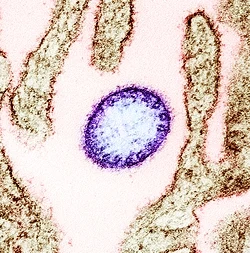
Nipah virus is a zoonotic virus naturally carried by fruit bats. It can spread from animals to humans, from animals to animals, and between humans. Transmission has been linked to direct contact with infected animals such as pigs or cattle, consumption of fruits or fruit products contaminated by bat saliva or droppings, and close contact with infected individuals or their bodily fluids.
The virus was first identified in Malaysia and Singapore in 1998. Since then, repeated outbreaks have been reported in South and South-East Asia, including Bangladesh, India’s West Bengal, and Kerala.
Symptoms and Fatality Rate
Symptoms of Nipah virus infection are generally reported to appear within four to 21 days and initially resemble flu-like illness. Common symptoms include fever, severe headache, dizziness, muscle pain, nausea, vomiting, sore throat, and breathing difficulties. In severe cases, the infection can progress to encephalitis, leading to confusion, seizures, coma, and death.
The fatality rate has been estimated to range between 40 and 75 percent, making Nipah one of the most lethal viral infections. As no approved vaccine or specific antiviral treatment is available, prevention and early detection remain critical.
Testing and Preparedness Challenges
Although no Nipah virus case has been confirmed in Nepal so far, preparedness concerns have been raised. Routine testing for Nipah virus is currently limited, and experts have emphasized the need for advanced laboratory preparedness, including high-level biosafety facilities, to ensure rapid diagnosis and containment if cases are detected.
Regional Precautionary Measures
Following the outbreak in West Bengal, several Asian countries have tightened airport health surveillance and passenger screening. Nepal has joined these regional precautionary efforts, while countries such as Thailand and Taiwan have also strengthened monitoring systems based on post-Covid health protocols.
Health authorities have stated that while the immediate risk to the general public remains low, continued vigilance is essential due to Nepal’s geographic proximity and strong travel links with affected regions.
Preventive Measures Advised
Health experts have urged the public to follow preventive measures, including:
Washing fruits thoroughly and peeling them before consumption
Cooking vegetables whenever possible
Avoiding raw or partially fermented fruit products
Keeping cattle sheds and farms clean
Wearing masks while cutting or cooking meat
Drinking only boiled or safe water
Washing hands frequently with soap and water
Wearing masks in crowded or high-risk areas
Authorities have emphasized that public awareness, early reporting of symptoms, and strict adherence to health guidelines remain the most effective ways to prevent the spread of the Nipah virus in Nepal.