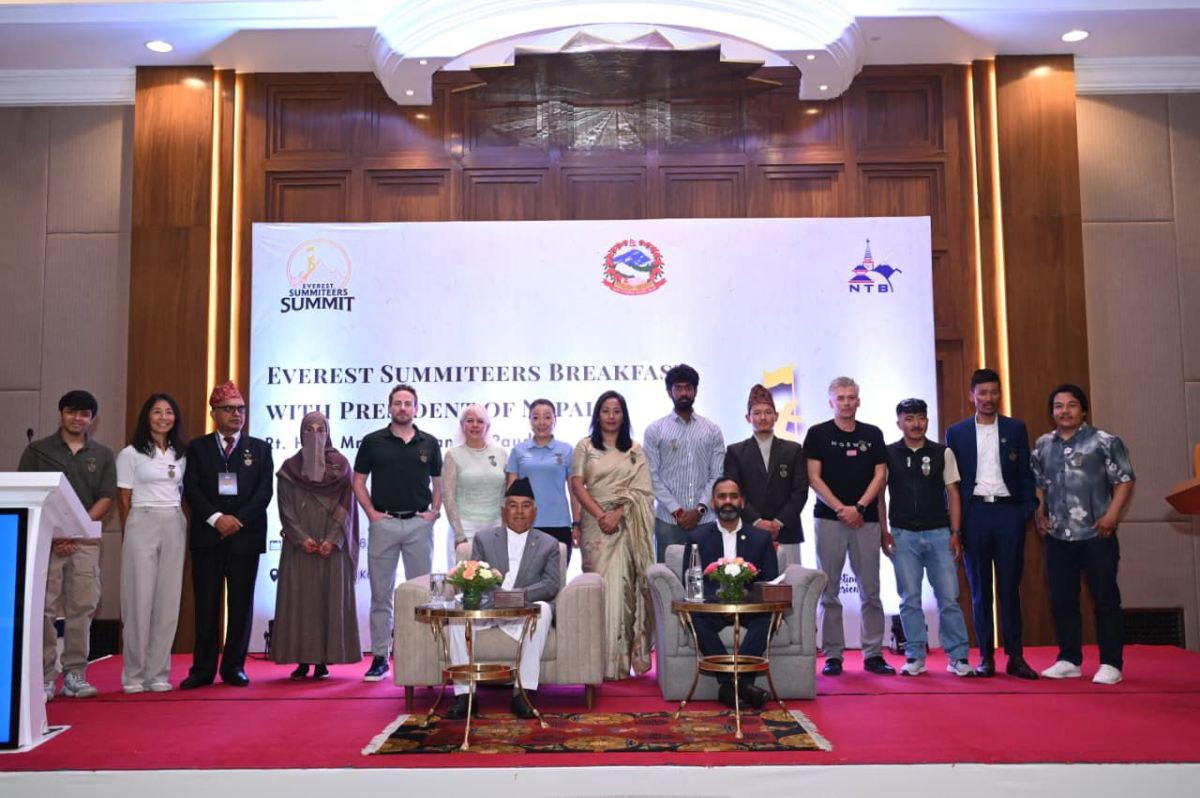
Kathmandu – President Ram Chandra Paudel has emphasized that sustainable Himalayan tourism, responsible mountaineering, and the conservation of the Himalayan environment are urgent priorities of the present time.
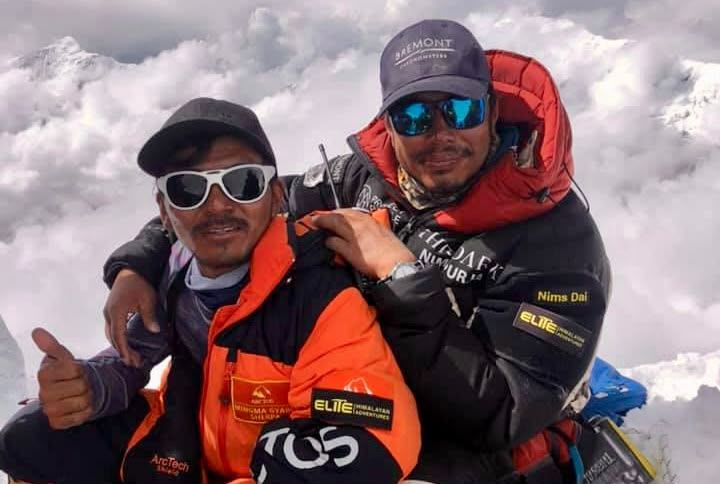
Addressing the “Everest Summiteers Breakfast with President of Nepal” program held in Kathmandu on Wednesday in honor of climbers from different countries who have successfully summited Mount Everest, President Paudel highlighted the importance of preserving the world’s highest peak and its surrounding ecosystem.
“Mount Everest is not merely Nepal’s geographical identity, but also a symbol of the nation’s prestige, pride, and an invaluable natural heritage of the world. The conservation, promotion, and balanced utilization of this resource have significantly contributed to Nepal’s tourism sector and supported our national economy,” he said.
However, the President noted that global temperature rise, the impacts of climate change, and the growing accumulation of waste in mountaineering regions have emerged as major challenges.
“Addressing these issues and making mountaineering safer, more sustainable, and technology-friendly while preserving the environment and biodiversity of the Everest region requires greater efforts and collaboration today,” President Paudel stated.
He further stressed that the conference holds special significance in today’s context, as it brings together Everest summiteers from around the world to foster international cooperation, dialogue, and awareness for the protection of mountains and the Himalayan ecosystem. He said the gathering provides a meaningful platform for in-depth discussions on the multidimensional aspects of Himalayan regions, particularly Mount Everest.
President Paudel also expressed confidence that the knowledge and experiences gained by climbers during their ascents would help ensure that Mount Everest—an enduring source of pride and identity not only for Nepal and its people but for the entire world—remains preserved in its natural form for future generations.