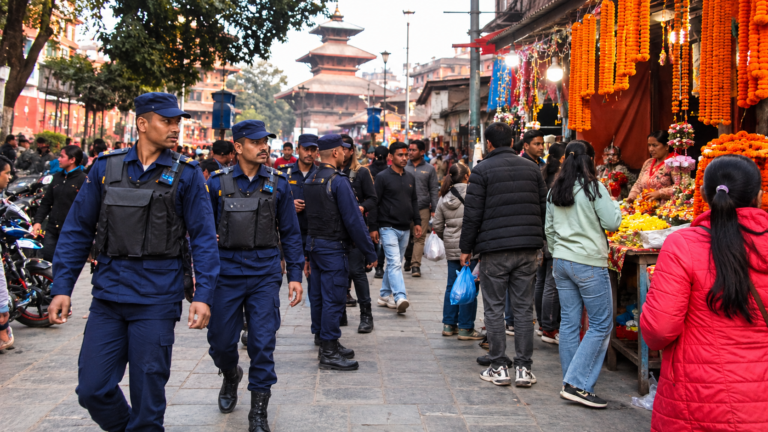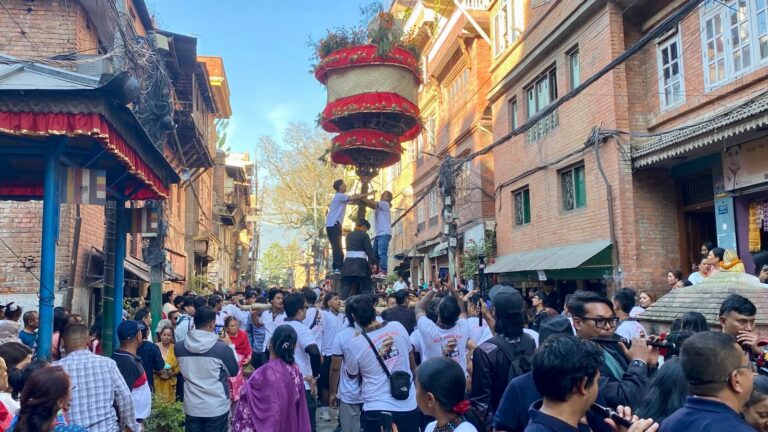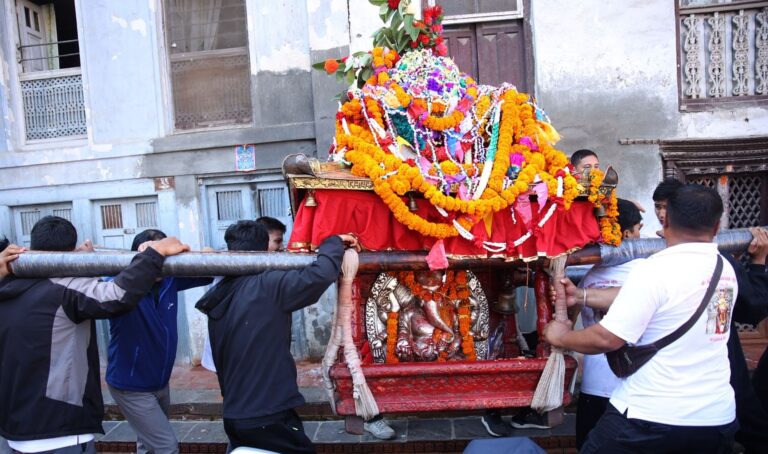
Kathmandu — Nepal’s second-largest festival, Tihar, has begun with Dhanteras, as families across the country prepare for several days of religious rituals, worship and traditional celebrations.
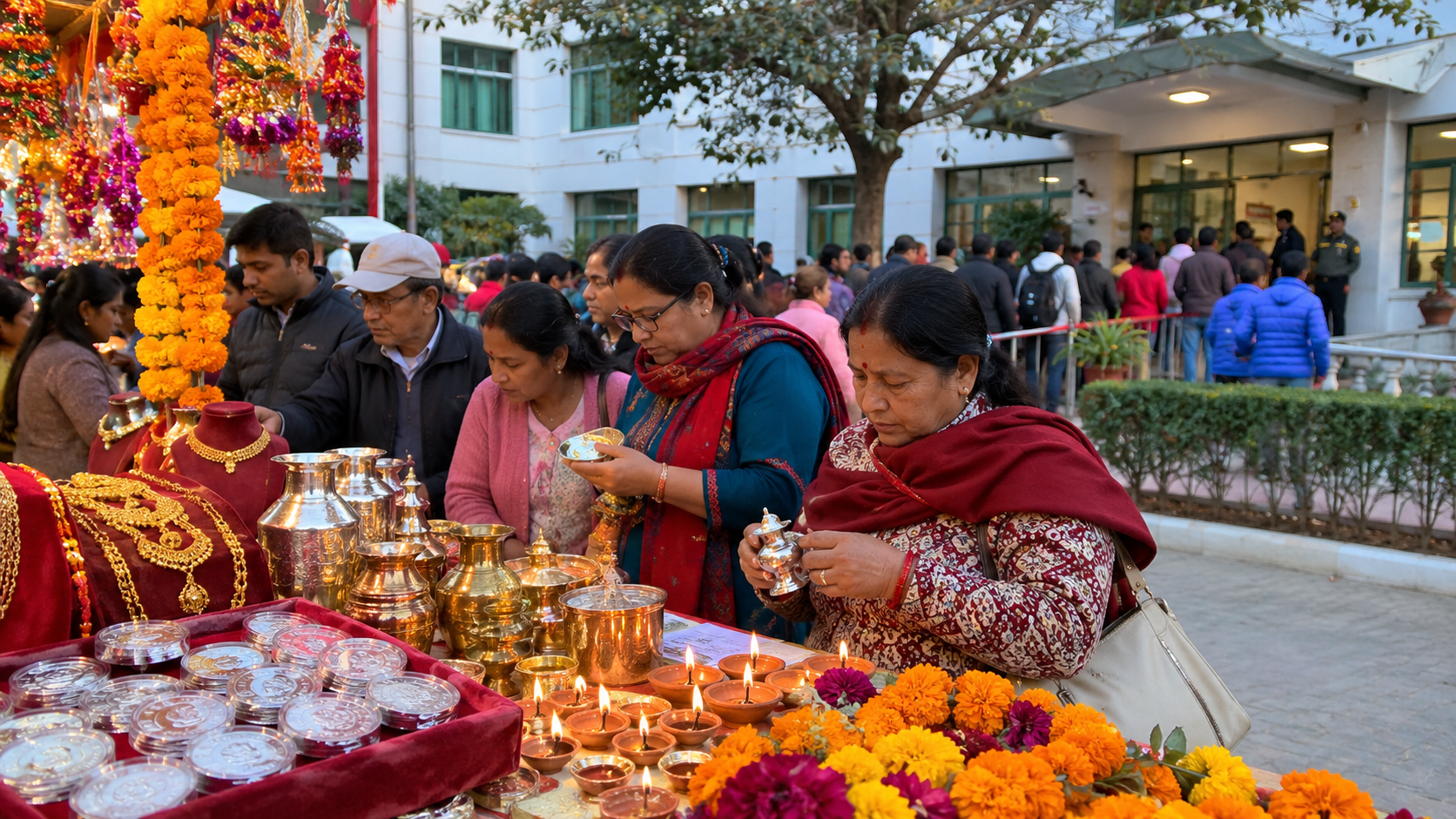
Dhanteras marks the beginning of the festival period, with people traditionally purchasing gold, silver, jewellery, metal utensils and other household items considered auspicious. In Kathmandu, Nepal Rastra Bank has also been selling gold asarfis and silver medallions from its Taksar Division in Babarmahal.
According to the festival calendar, the Trayodashi tithi associated with Dhanteras began on Friday morning and continues into Saturday. As the lunar date extends across two days this year, Kag Puja and Dhanvantari Jayanti will be observed on Saturday.
The festival continues on Sunday with Kukur Puja, when dogs are honoured with tika, flower garlands and special food. Laxmi Puja will be observed on the same evening, with families cleaning and decorating their homes and lighting oil lamps to welcome Goddess Laxmi, the goddess of wealth and prosperity.
Bhai Tika, the final major celebration of Tihar, will be observed on November 11 (Kartik 25, 2083). On this day, sisters traditionally offer tika, garlands and blessings to their brothers, praying for their long life, good health and prosperity.
Although Tihar is generally observed as a five-day festival, it extends to six days this year because of the way the lunar calendar dates fall.
In the Mithila region, Dhanteras is also marked by lighting rows of lamps and purchasing items such as metal utensils, jewellery, brooms and coriander seeds as part of local traditions.
Known as the festival of lights, Tihar combines religious rituals, family gatherings and cultural traditions. The festival begins by honouring crows, dogs and cows before moving to Laxmi Puja and Bhai Tika, making it one of Nepal’s most widely celebrated cultural festivals.