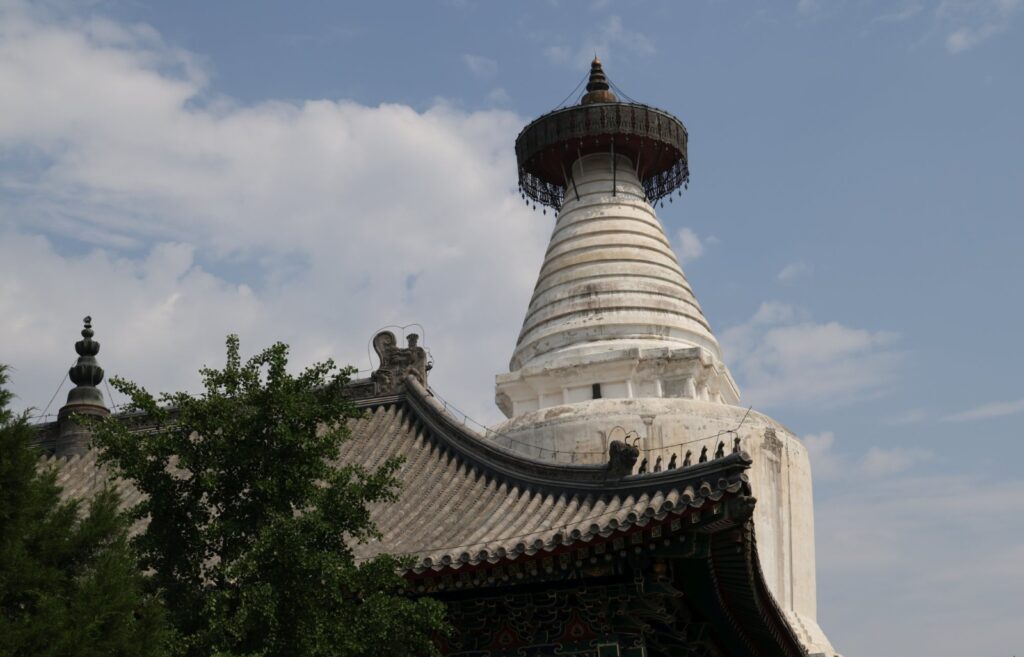
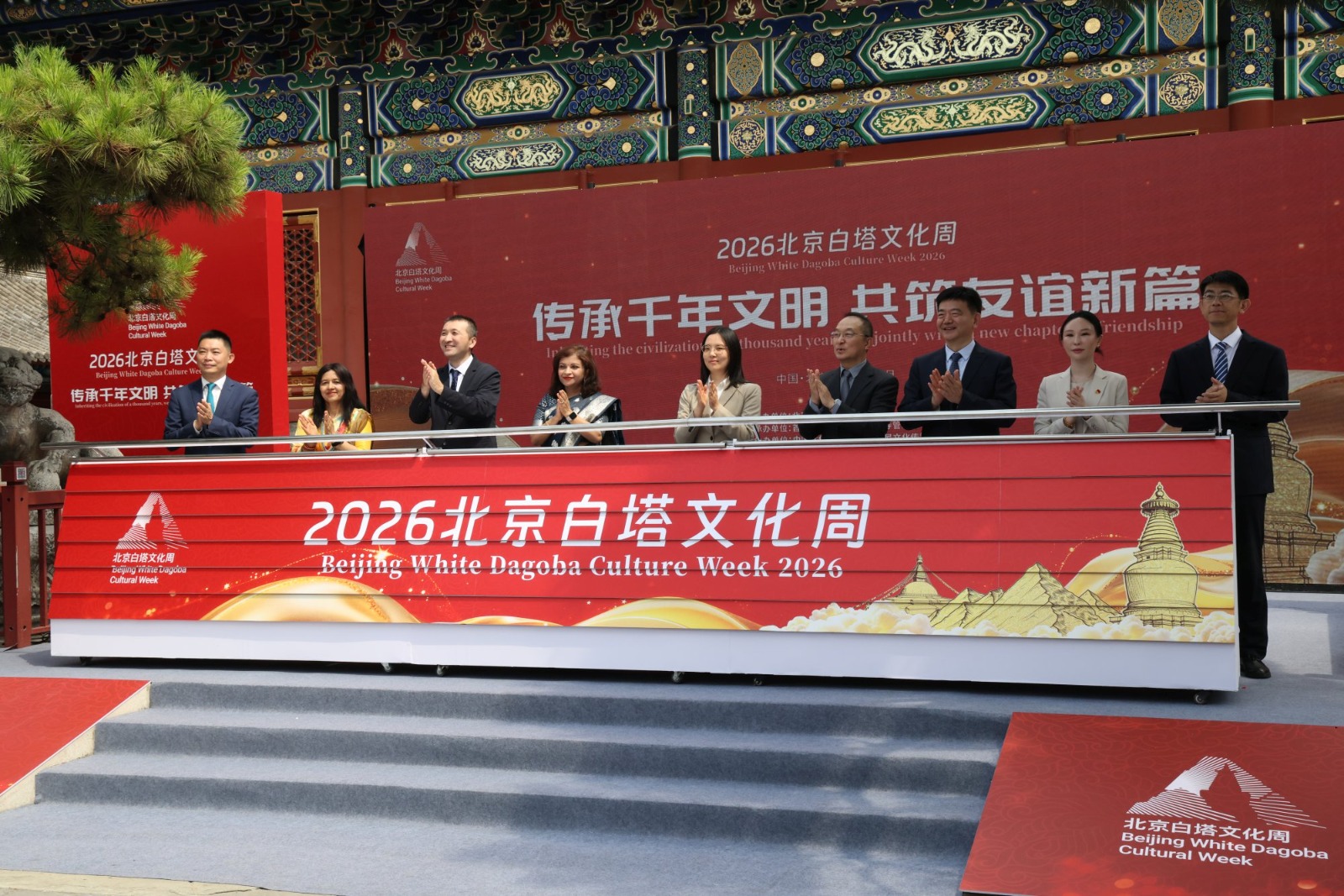
Beijing – The magnificent White Dagoba of White Dagoba at Miaoying Temple, a surviving symbol from the era of the Yuan capital, has witnessed the remarkable 750-year transformation of Beijing. To commemorate the 750th anniversary of the establishment of the Yuan capital and to further highlight this millennium-old physical testament to China-Nepal friendship, the Beijing White Dagoba Cultural Week officially opened on June 13 beneath the White Dagoba at Miaoying Temple.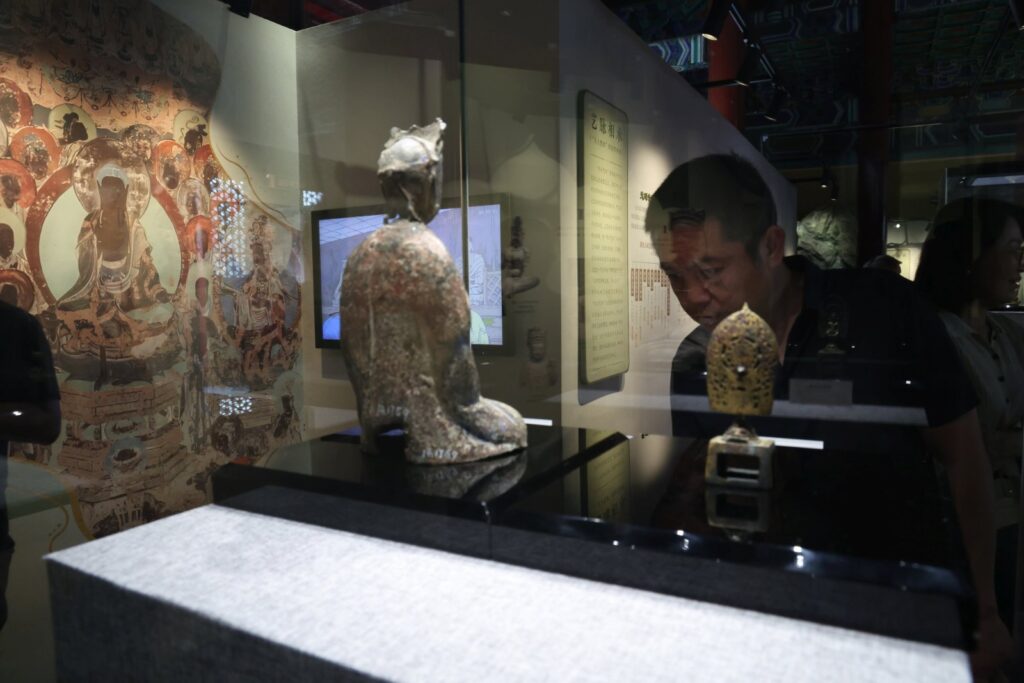
On the first day at the opening ceremony, Xu Qianhao, Deputy Director of the Beijing Municipal Cultural Heritage Bureau, said that heritage sites such as the White Dagoba connect China and Nepal and carry the history and civilization of humanity. Chinese Ambassador to Nepal Zhang Maoming, in a video message, described the White Dagoba as an enduring symbol of friendship between China and Nepal. Nepal’s Acting Ambassador to China, Roshan Khanal, expressed his delight over the organization of an important program dedicated to the White Dagoba and its creator Araniko, saying that visiting the monument felt like returning home.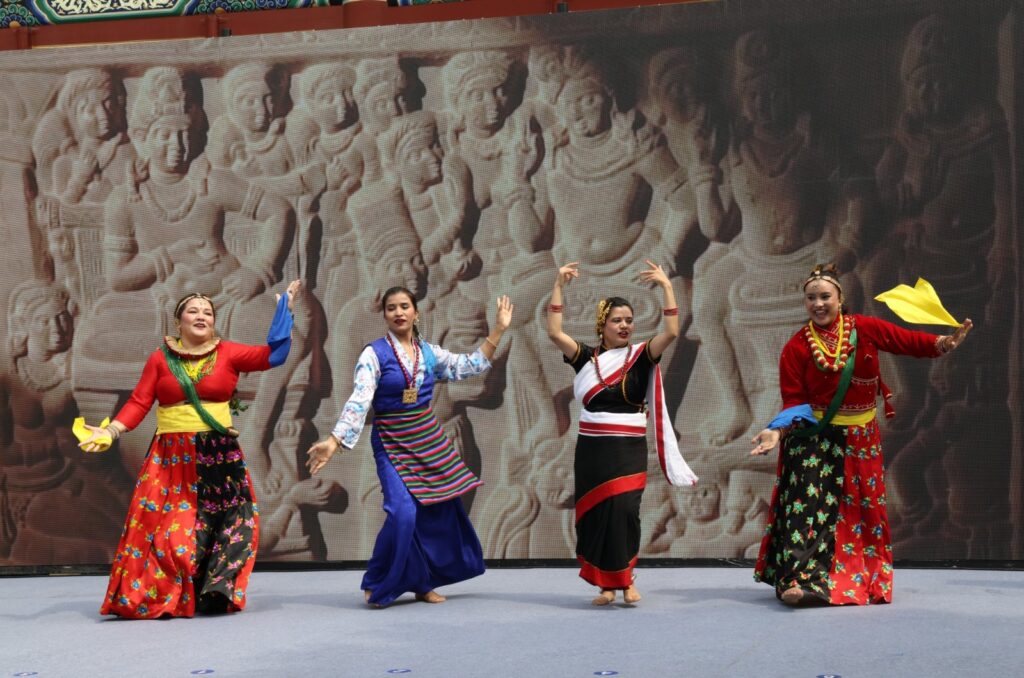
The cultural week is organized by the Beijing Municipal Cultural Heritage Bureau and jointly hosted by the Capital Museum and the Beijing White Dagoba Temple Management Office, with support from the China-Nepal Cultural Exchange Center in Beijing. The event aims to continue telling the story of the deep cross-Himalayan friendship between China and Nepal through the White Dagoba.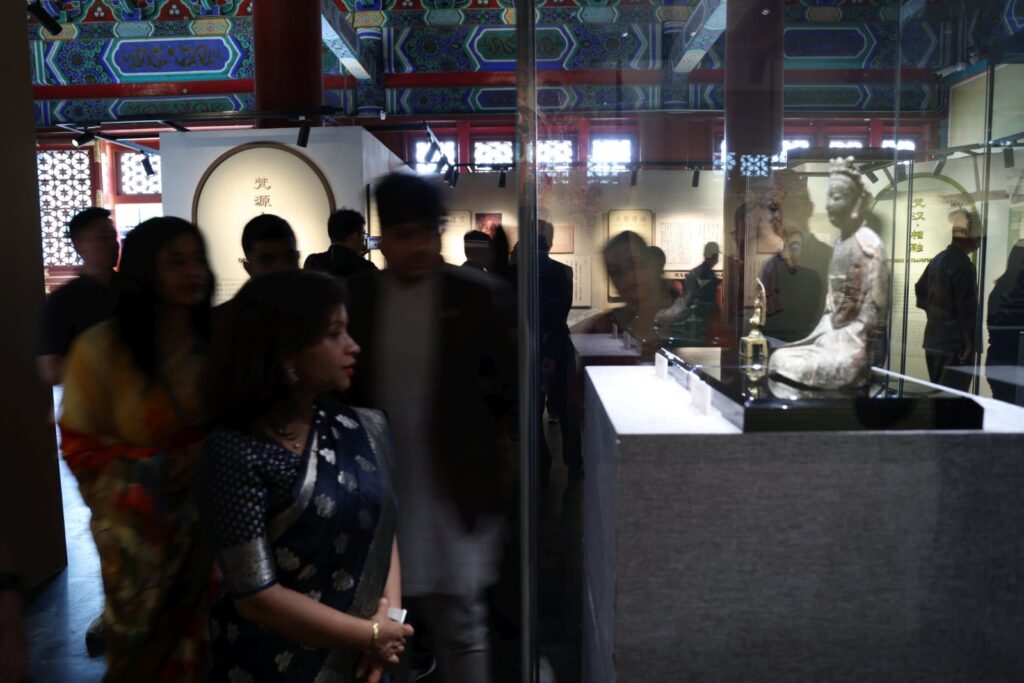
The cultural week places special focus on Araniko, paying tribute to the history of cultural exchange and integration. One of the highlights of the event is the special exhibition titled “The Art of Brahma in the Western Paradise — Araniko and His Artistic Era.” Open to the public free of charge from June 13 until October 11, the exhibition presents Araniko as its central figure for the first time in a systematic manner.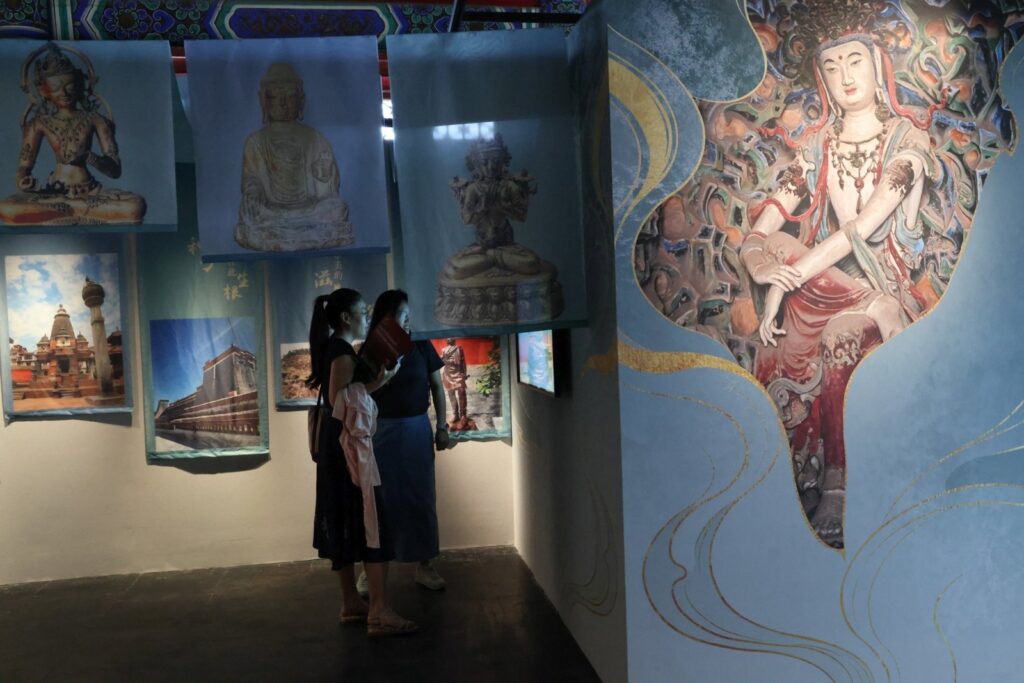
Through three thematic sections — “Buddhist Origins and a Rising Talent,” “Nepal-China Cultural Fusion,” and “Continuity of Buddhist Artistic Traditions” — the exhibition brings together precious Buddhist sculptures from different periods. Supported by multimedia interactive technology, it vividly showcases the remarkable journey of the Sinicization of Buddhist art during the Yuan Dynasty, reflecting the openness, inclusiveness, and cultural adaptability of Chinese civilization.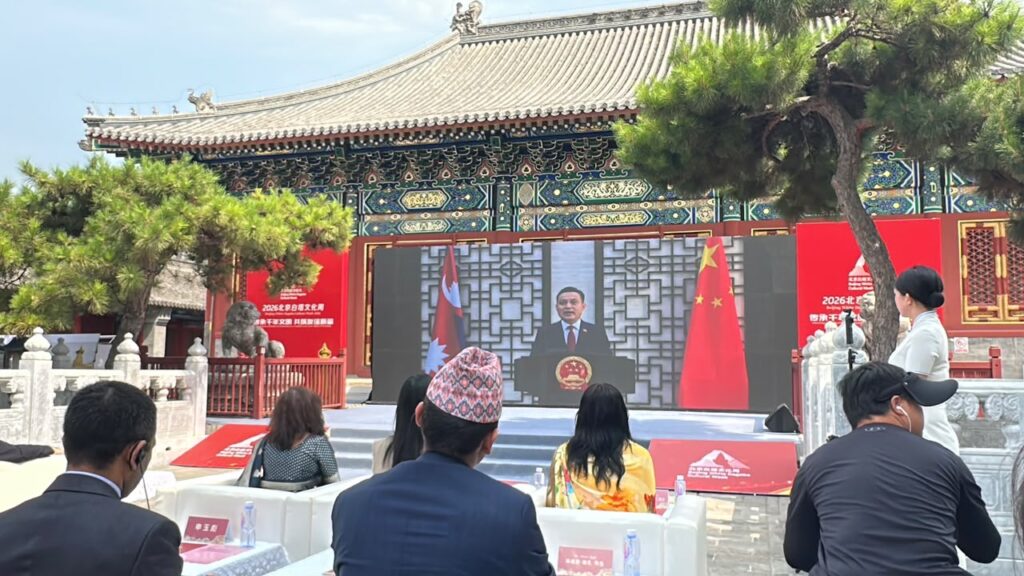
To bring cultural heritage to life, a series of activities have also been launched as part of the cultural week. Beginning this Saturday, the Capital Museum will host four high-level cultural lectures featuring experts and scholars who will engage in in-depth discussions on Yuan Dynasty history and China-Nepal cultural heritage preservation. In addition, six educational programs at Miaoying Temple will allow visitors to experience history firsthand, from uncovering the architectural mysteries of ancient stupas to exploring Yuan Dynasty poetry and literature and gaining insights into agricultural knowledge from the period.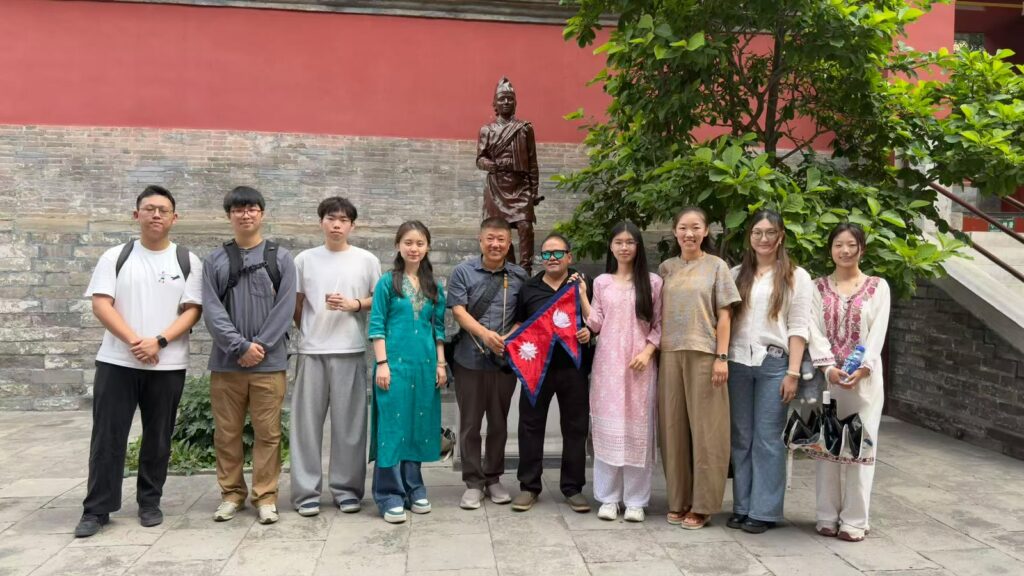
As the cultural week approaches its conclusion this Saturday, it is expected to draw even more visitors, with growing public interest in the White Dagoba’s legacy and the shared cultural heritage it represents. The event is also leaving visitors with a deeper, more nostalgic appreciation of history, as the immersive cultural experiences continue to bring centuries-old stories to life.