Kathmandu – Gai Jatra, also known as the Cow Festival, is a vibrant and culturally rich celebration primarily observed in Nepal’s Kathmandu Valley. This traditional Newar festival honors the deceased, bringing together remembrance, community bonding, and joyous festivities filled with laughter and satire. Celebrated annually in August or September during the month of Bhadra (according to the lunar Nepali calendar), Gai Jatra blends solemn rituals with colorful processions, making it a truly unique cultural event.
The Heart of Gai Jatra: Remembering and Celebrating Life
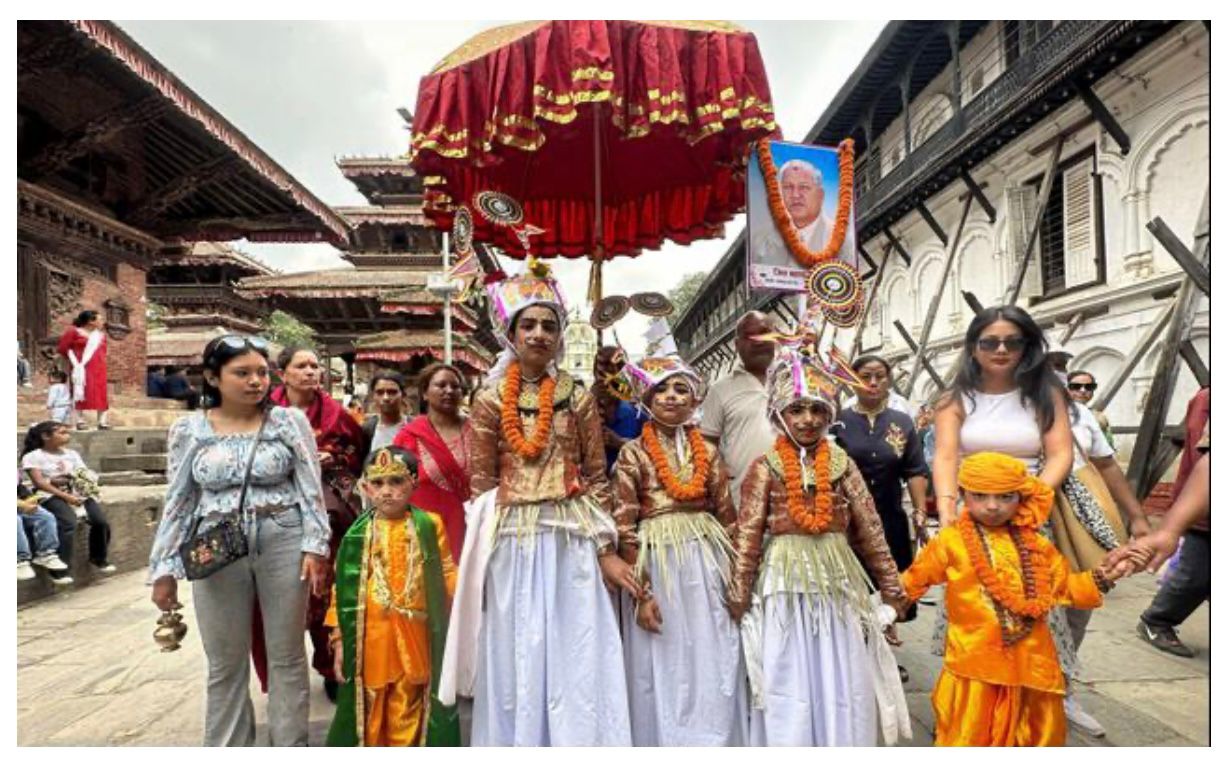
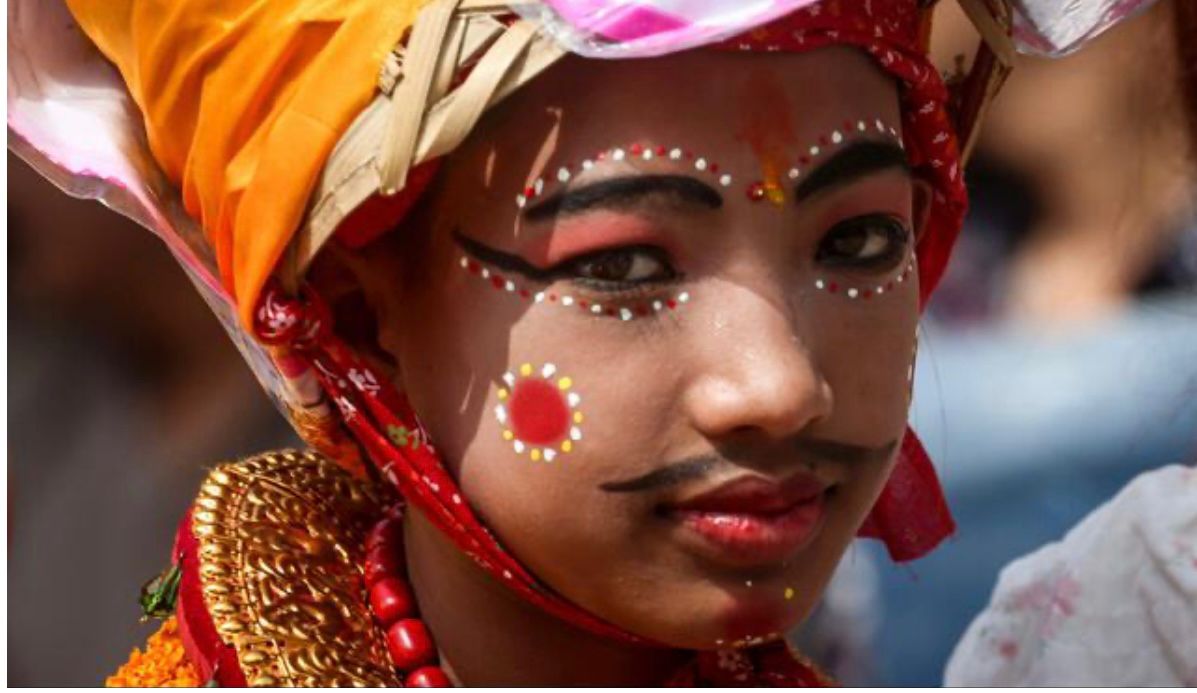
The name “Gai Jatra” literally translates to “Cow Festival,” with “Gai” meaning cow and “Jatra” meaning procession or carnival. Cows hold sacred status in Hindu culture, symbolizing wealth, prosperity, and spiritual guidance. During the festival, families who have lost loved ones in the past year lead a procession featuring cows or children dressed as cows, deities, or mythical figures. This procession symbolizes the journey of the departed souls to the afterlife, with the cow believed to guide and protect them on this path.
Gai Jatra’s roots trace back to the 17th century, during the reign of King Pratap Malla of the Malla dynasty. The king’s queen was deeply mourning the loss of their young son, and to console her, the king ordered families who had lost relatives to join in a procession, reassuring the queen she was not alone in her grief. To lighten the heavy atmosphere, humor, jokes, and satire were encouraged, turning the procession into an event where laughter helped heal sorrow. This tradition has continued for centuries, evolving into a festival that embraces both mourning and joy.
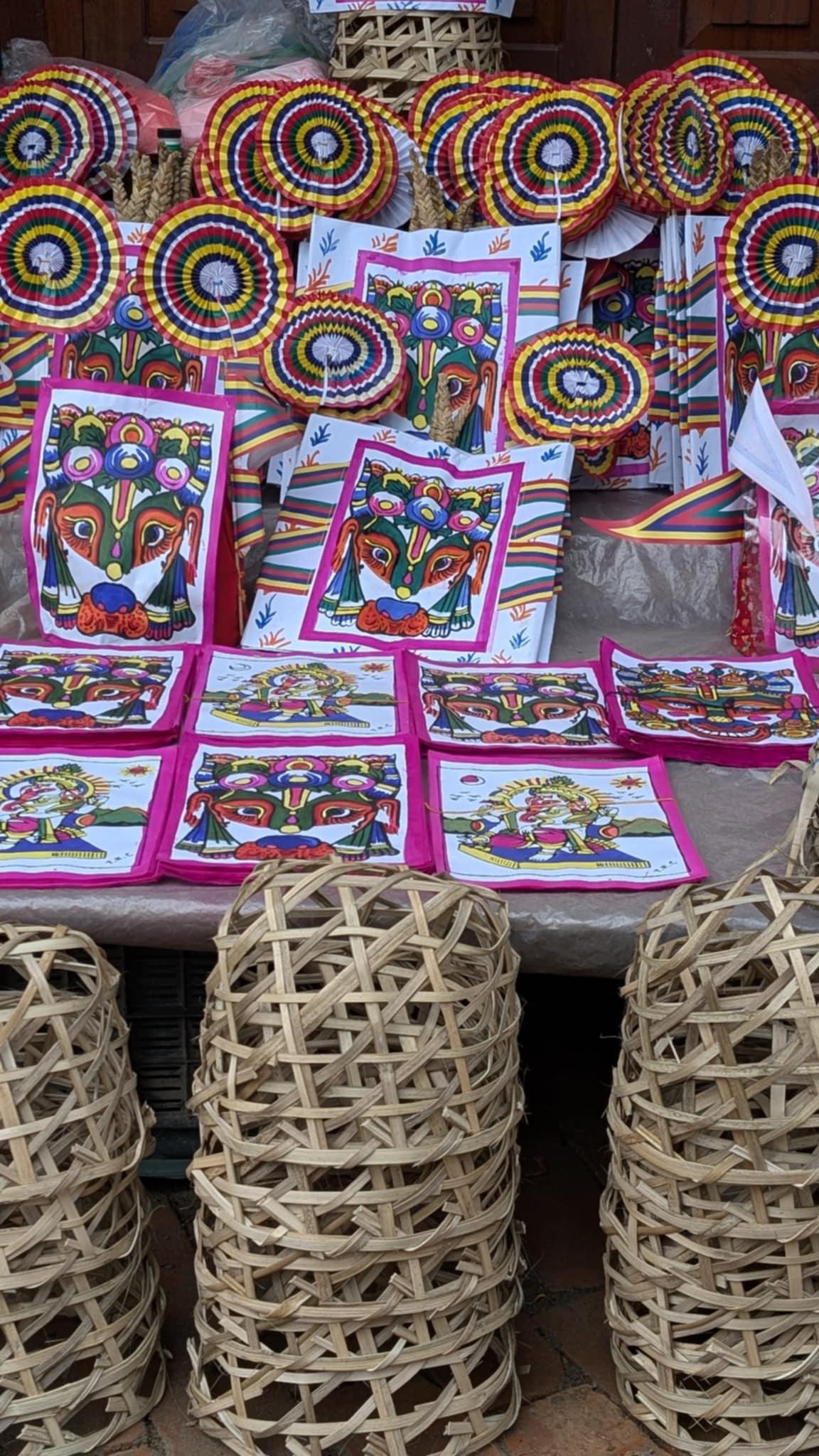
How Gai Jatra is Celebrated
Gai Jatra celebrations vary across Kathmandu Valley and other towns but share common themes:
- Lively Processions: Families parade through the streets with cows or young boys dressed as cows and gods. In Bhaktapur, the festival lasts an extended eight days with the procession of the “TahaMacha” — bamboo chariots bearing portraits of the deceased, accompanied by traditional music and dances like the “Ghintang Ghisi.”
- Humor and Satire: Performers engage in satire and standup comedy, poking fun at social, political, and cultural issues. This humorous critique is a hallmark of Gai Jatra, allowing people to reflect on society while finding relief in laughter. The tradition of “bang” — playful and critical remarks targeting politicians and prominent figures — is a revered part of the festival.
- Community Participation: Though rooted in the Newar community, Gai Jatra has become inclusive, with people from different ethnic backgrounds joining the festivities. In towns like Kirtipur, the festival emphasizes peace, unity, and social harmony as much as remembrance.
- Feasting and Unity: The festival fosters community bonding through shared feasts and collective celebrations. In Kirtipur, people dress as gods and goddesses, and men often dress as women or transgender figures, traveling house to house inviting neighbors to join in the feast, strengthening social ties.
The Symbolism Behind the Festival
The sacred cow in Gai Jatra represents more than just a religious icon; it is a symbol of comfort, guidance, and the cycle of life and death. The festival reflects the Newar belief in the impermanence of life and encourages acceptance of loss through celebration rather than sorrow. It also marks the end of monsoon and the arrival of brighter days, bringing with it a spirit of renewal and hope.
Historically, Gai Jatra has been a platform for the public to artistically expose social inequalities and political issues, making it a festival that combines spirituality, social commentary, and artistic expression.
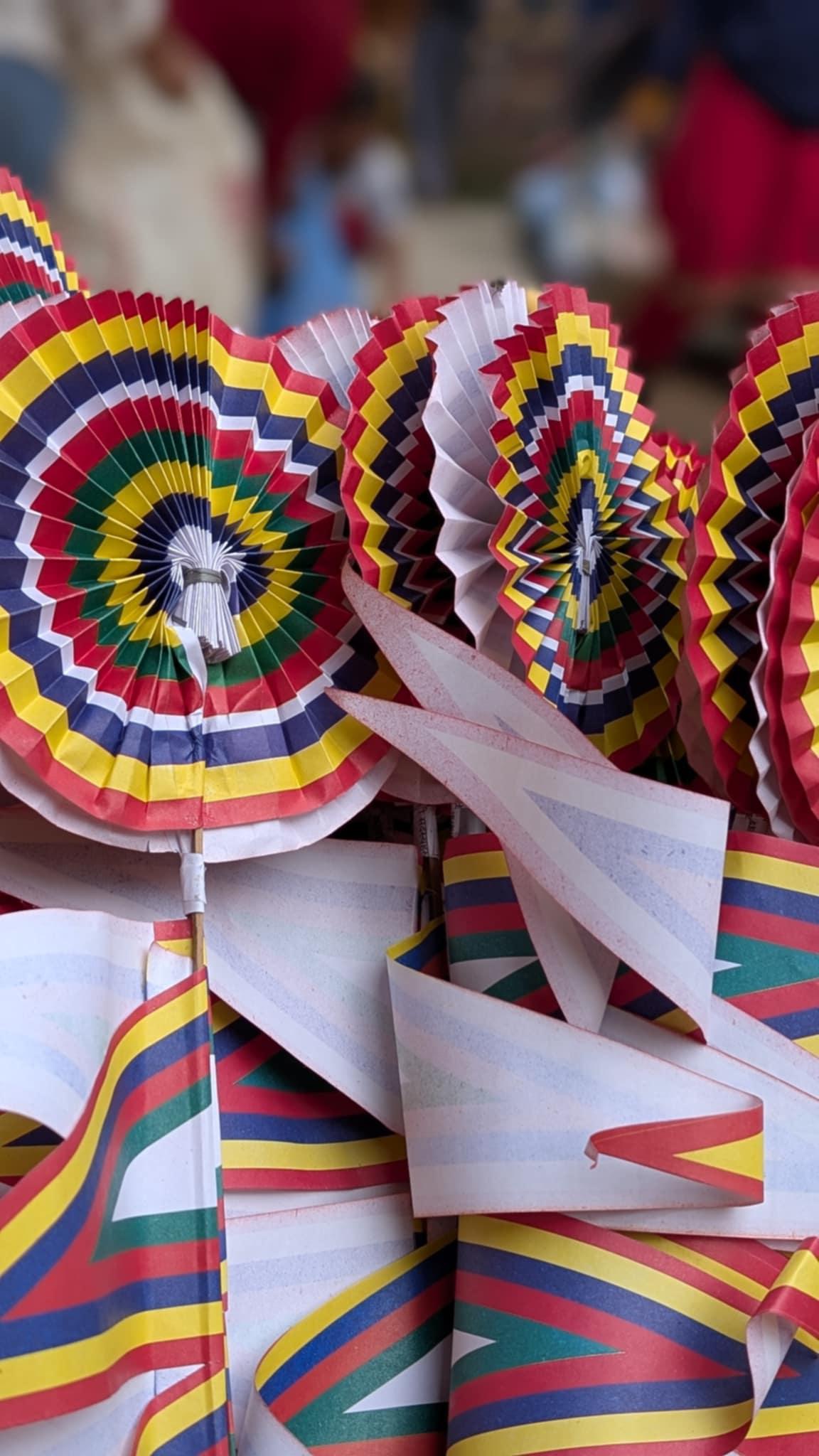
Gai Jatra’s Significance in Nepalese Culture
- Honoring the Departed: At its core, Gai Jatra is a heartfelt tribute to loved ones who have passed away, providing families a way to remember and celebrate their lives.
- Cultural Heritage: The festival is a testament to Nepal’s rich cultural diversity and the Newar community’s unique traditions. It preserves centuriesold practices while adapting to contemporary society.
- Tourism and Cultural Exchange: Gai Jatra attracts tourists keen to experience Nepal’s vibrant traditions, contributing positively to the local economy and promoting cultural understanding worldwide.
- Healing Through Humor: By mixing grief with humor, Gai Jatra creates a supportive environment that helps people cope with loss and find joy amidst sorrow.
When and Where is Gai Jatra Celebrated?
The festival usually falls in July or August and lasts from a day to over a week depending on the locality. Major celebrations take place across Kathmandu, Bhaktapur, Lalitpur (Patan), Kirtipur, and other towns in the valley, each adding its local flavor and customs:
- Kathmandu: The festival’s origin city with vibrant processions and widespread participation.
- Bhaktapur: Known for its extended, eightday celebration featuring the famous TahaMacha chariots and traditional dances.
- Lalitpur (Patan): Hosts a similar festival called Matayaa, with deep Hindu rituals and a committed public following.
- Kirtipur: Unique for its belief that the gates of heaven open on this day; the festival promotes peace and community unity with lively dances and colorful costumes.
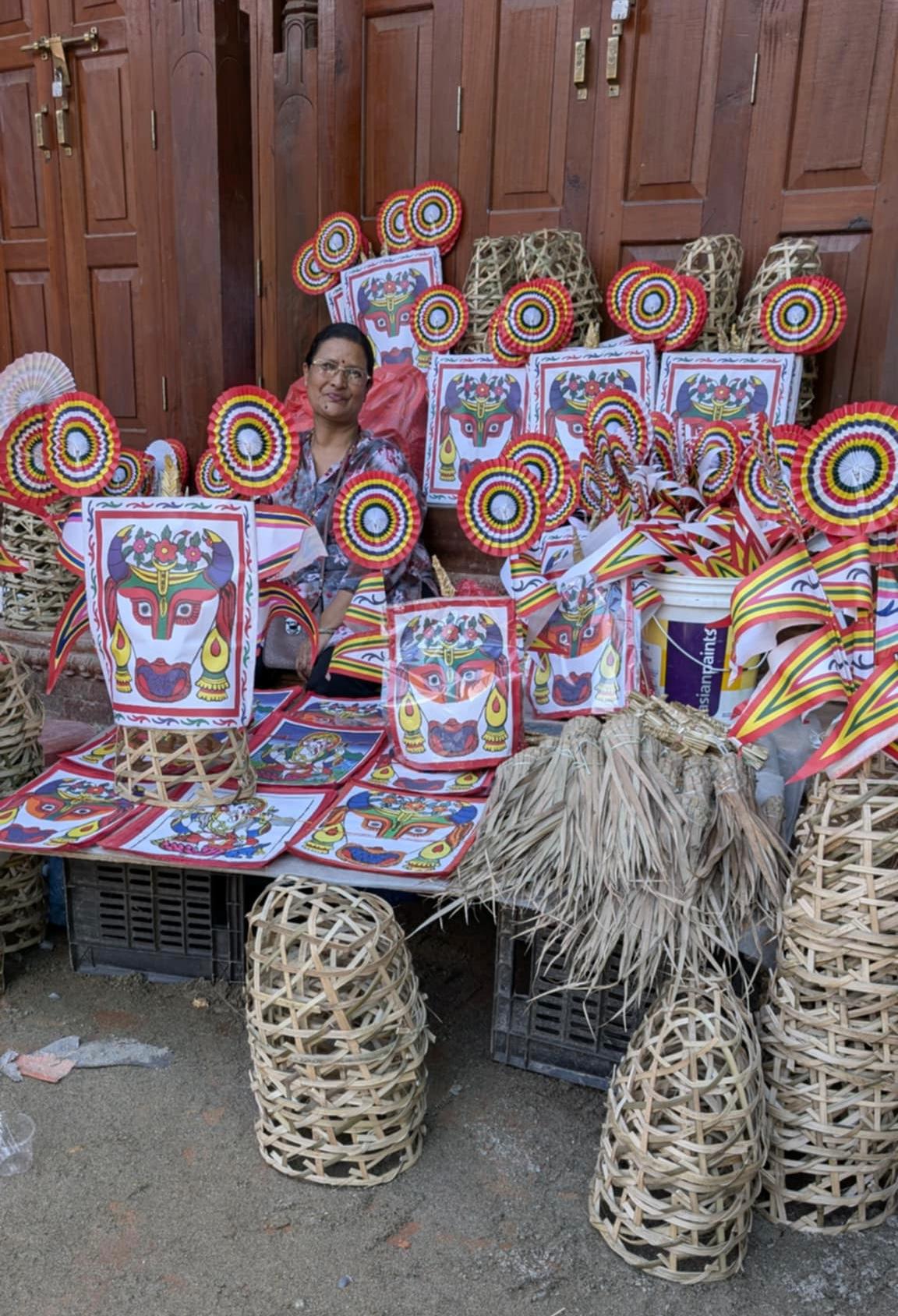
Conclusion
Gai Jatra is more than a festival; it is a living expression of Nepal’s cultural soul. It weaves together remembrance and laughter, tradition and social awareness, grief and joy. In honoring the departed, communities find comfort and healing, celebrating life’s continuity. As families and neighbors unite in this procession of memories and smiles, Gai Jatra beautifully exemplifies Nepal’s enduring spirit of togetherness and resilience.