
Kathmandu – Nepal is moving closer to its vision of digital transformation with the government’s plan to introduce a National Data Exchange Platform, a system designed to simplify public services, improve transparency, and strengthen e-governance.
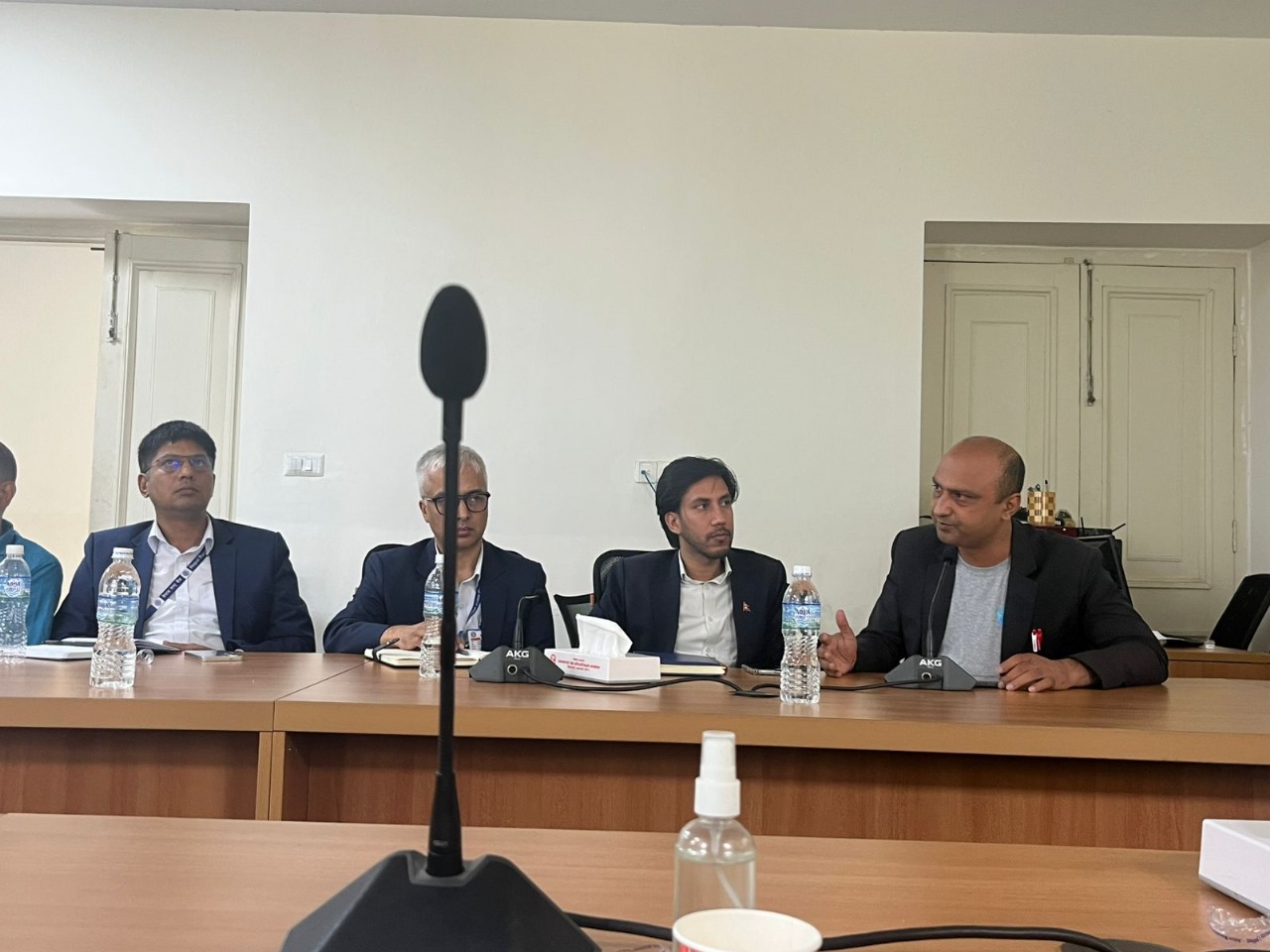
The initiative was highlighted during a multistakeholder discussion organized by the E-Governance Board, where representatives from government bodies, the private sector, and ICT associations shared their perspectives on creating a more connected and efficient digital ecosystem.
Ending Redundant Bureaucracy
Chiranjibi Adhikari, Senior Vice President of the CAN Federation and CEO of One Cover Pvt. Ltd., emphasized that the platform would address one of the most persistent frustrations for citizens—repeatedly submitting the same information to multiple agencies.
“This initiative will make service delivery faster, transparent, and reliable. Citizens will only need to provide their personal and biometric information once,” Adhikari said.
Aligned with Digital Nepal Framework
The project supports the government’s Digital Nepal framework, which seeks to enhance efficiency, accountability, and transparency across public institutions. Officials said the system will allow agencies to securely share information through a unified platform, reducing duplication and delays.
Adhikari noted that while tools like the Nagarik App have laid the groundwork, data silos across institutions still hinder effective service delivery. For example, the Employee Provident Fund, Social Security Fund, and hospitals often face delays due to incompatible systems and lack of access to shared records.
“The lack of interoperability is a major obstacle. A unified data platform is the solution,” he added.
Building a Connected Data Ecosystem
The proposed platform will enable secure and automatic data exchange among government bodies, integrating public and private institutions into a single digital ecosystem.
Experts said the system would benefit multiple sectors, from artificial intelligence-driven analysis to streamlined operations for agencies such as the National Identity Card Department, Customs Department, and Internal Revenue Department.
Focus on Security and Standardization
Alongside efficiency, the platform will prioritize cybersecurity and data standardization. By adopting common standards, agencies will be able to “speak the same language,” ensuring consistency, resilience, and stronger protection of sensitive information.
The government’s decision to include the platform in its annual policies and programs underscores its long-term commitment to modernizing governance and restructuring business processes.
A Step Toward Citizen Empowerment
Adhikari described the platform as more than a technological upgrade, calling it a transformative step for Nepal.
“The Data Exchange Platform is the key to building a faster, transparent, and secure government service system. It will simplify administration and empower every citizen,” he said.