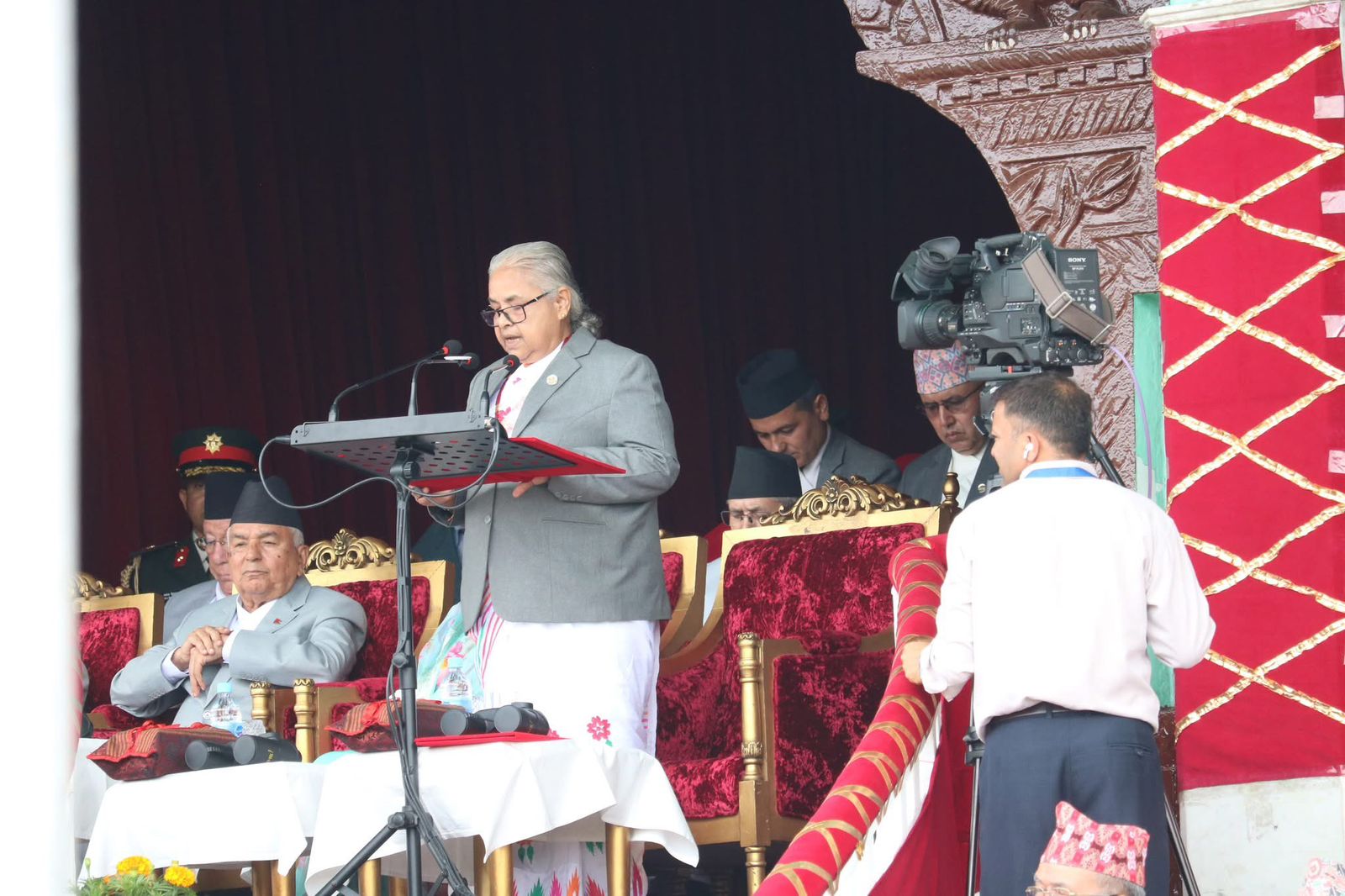
Kathmandu – Every year on Asoj 3 of the Nepali calendar (September 19/20 in the Gregorian calendar), Nepal observes Constitution Day, known as Sambidhan Diwas. This day commemorates the historic promulgation of the Constitution of Nepal in 2015, a milestone that ended centuries of monarchical rule and established the nation as a sovereign federal democratic republic. More than a public holiday, Constitution Day is a reminder of the Nepali people’s long struggle, sacrifice, and unwavering commitment to self-governance.
From Monarchy to Federal Republic
Nepal’s journey toward democracy was neither simple nor swift. Early attempts at constitutional rule date back to 1948, but the first constitution of 1951 brought little real change. The 1962 charter further concentrated power in the monarchy by banning political parties. A significant shift came in 1990, when a popular movement restored multi-party democracy and established a parliament and supreme court.
The final phase began after the decade-long civil conflict and the 2006 People’s Movement, which paved the way for an interim constitution in 2007. Two elected Constituent Assemblies worked to craft a permanent document that reflected the country’s diversity and aspirations. On September 20, 2015 (Asoj 3, 2072 BS), President Dr. Ram Baran Yadav formally announced the Constitution of Nepal, ushering in a new era of federal democratic governance.
Key Features of the 2015 Constitution
The Constitution of Nepal is the nation’s seventh, but it stands apart as the first written and adopted entirely by elected representatives of the people. It enshrines republicanism, federalism, secularism, social justice, and proportional inclusion as core principles.
The document contains 35 parts, 308 articles, and nine schedules. It declares Nepal an independent, indivisible, sovereign, and inclusive state. It also recognizes all native languages as national languages, protecting the cultural heritage of Nepal’s many communities.
Fundamental rights guaranteed by the constitution include civil and political freedoms, economic and social rights, and protections against discrimination and untouchability. It affirms equality before the law and grants citizenship to all Nepali citizens, while safeguarding the dignity of women, Dalits, Indigenous peoples, and other marginalized groups.
Governance is organized on the basis of federalism and separation of powers. Nepal is divided into seven provinces with elected local governments. The president serves as head of state, while executive authority rests with the prime minister and the council of ministers. A flexible amendment process allows for adaptation while preserving national sovereignty, territorial integrity, and the people’s supreme authority.
Celebrating Constitution Day
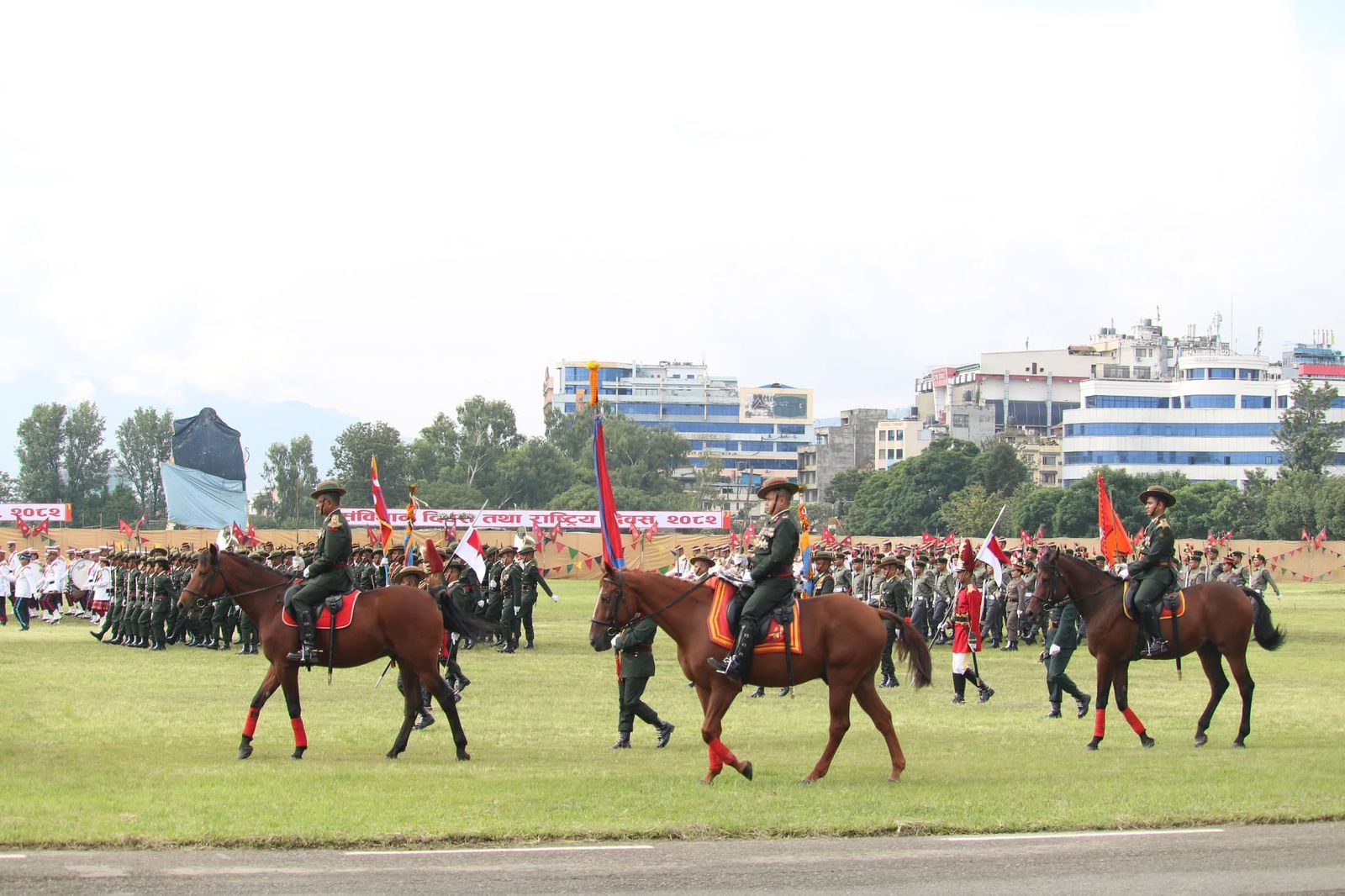
Across the country, Constitution Day is marked by flag-raising ceremonies, official speeches, cultural performances, and public gatherings. Government buildings and public spaces are illuminated, and traditional songs and dances bring communities together. The day is both solemn and festive, a chance to reflect on the sacrifices that secured Nepal’s democratic freedoms and to celebrate the nation’s unity in diversity. Although, this year, the nation witnessed the sacrifice of many innocent souls in the Gen Z protest of September 8, this day is still being observed with ample hope for a better future and political stability in the country.
Challenges and the Road Ahead
While the constitution provides a strong foundation, it also sets high expectations. Economic development has not kept pace with political progress. Issues such as corruption, stalled infrastructure projects, and dependence on foreign remittances remain pressing concerns. Many Nepalis continue to leave the country in search of opportunities abroad, highlighting the need for domestic growth and good governance.
Yet Constitution Day serves as an annual call to action. It reminds citizens and leaders alike that democracy is not only about rights but also responsibilities: to strengthen institutions, protect freedoms, and ensure prosperity reaches every community.
A Day of National Pride
Constitution Day is more than a commemoration of a document. It symbolizes the Nepali people’s resilience, unity, and hope. By celebrating this day, Nepal affirms to itself and the world that it is an independent nation where sovereignty truly rests with the people. The constitution is both a promise and a guide, empowering Nepalis to build a future defined by equality, justice, and shared prosperity. With the ongoing political and leadership changes of the country, constitution day holds special place in the movement against corruption and establishing Nepal as the lawful nation, free from contaminations like that of corruption.