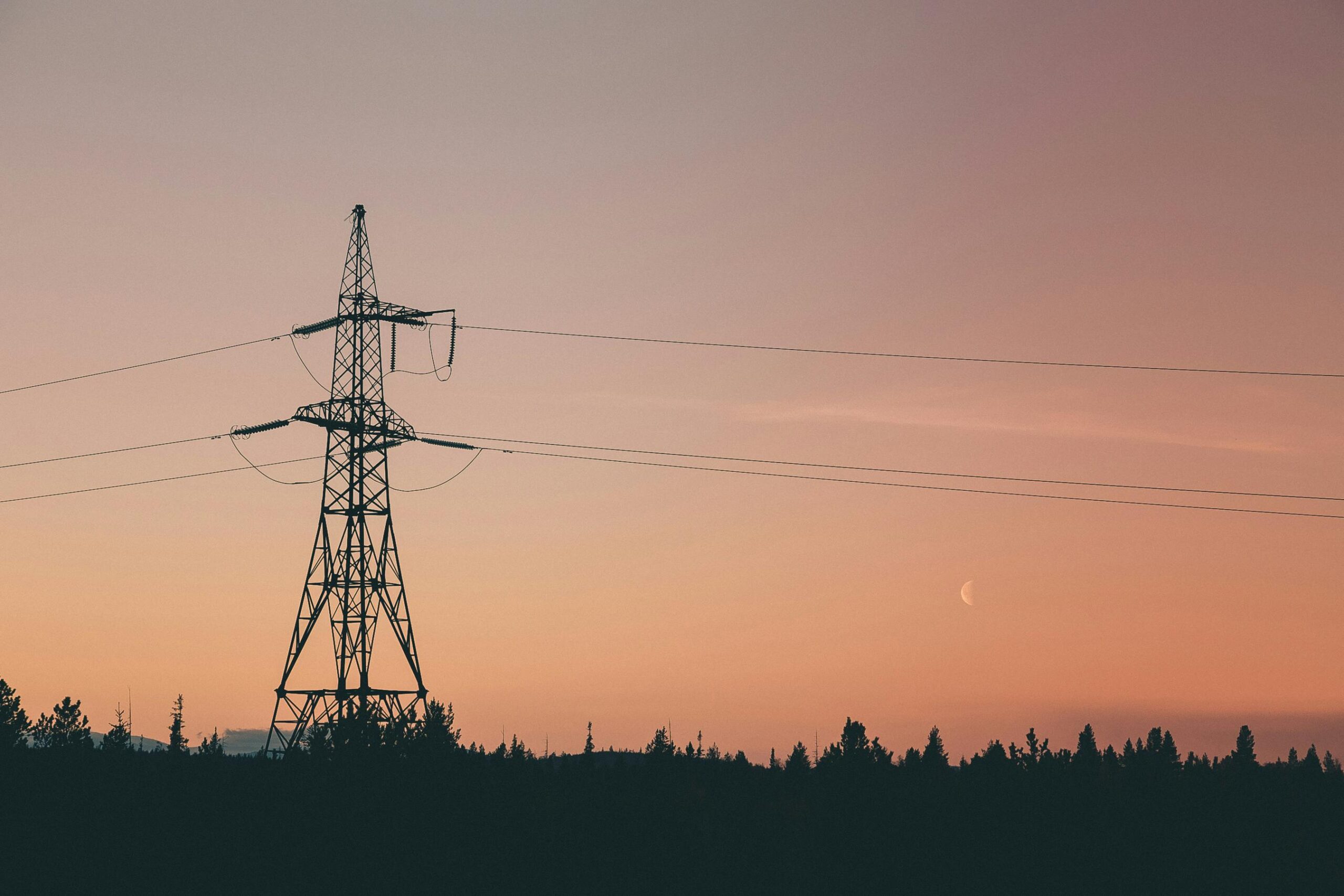
Nepal and India have reached a pivotal moment in their energy partnership with the signing of a landmark joint venture and shareholder agreement to construct two crucial 400 kV cross-border transmission lines: the Inaruwa–Purnia and Lamki–Dododhara–Bareilly links. This strategic collaboration between the Nepal Electricity Authority (NEA) and India’s Power Grid Corporation (Power Grid) is far more than an infrastructure deal; it represents a significant step toward unlocking Nepal’s massive hydropower potential, strengthening regional energy security, and facilitating substantial economic growth for both nations.
A Milestone for Bilateral and Regional Power Trade
The agreement, formally signed in New Delhi, is hailed by both nations’ energy ministers as a major milestone. For Nepal, it is an essential component in realizing the ambitious target of exporting 10,000 MW of electricity to India over the next decade—a commitment formalized in a long-term agreement. Without high-capacity corridors, this trade target would remain largely aspirational, as the current primary link, the 400 kV Dhalkebar–Muzaffarpur line, permits a maximum exchange of only about 1,000 MW. The construction of the new 400 kV lines will dismantle this critical transmission constraint, thereby creating the necessary physical infrastructure to handle vastly increased power volumes.
The sheer scale of the projects is significant. The Inaruwa–Purnia line will span approximately 26 kilometers in Nepal and 109 kilometers in India, while the Lamki–Bareilly line will cover about 33 kilometers in Nepal and 185 kilometers in India. Both lines are ambitiously targeted for completion by 2030. This timely infrastructure development is vital, considering that Nepal is currently exporting up to 1,000 MW of electricity daily to India and Bangladesh, with projections showing a rapidly increasing surplus as new hydropower projects come online. The new corridors will not only enhance export capacity to India but will also provide Nepal with greater access to the broader international energy market, including potential trade with Bangladesh via the Indian grid, promoting true regional electricity trade.
Investment Model and Ownership Structure
The implementation of these high-capacity transmission lines will follow a unique and equitable joint venture approach, structured to ensure mutual commitment and shared responsibility. The agreement calls for the establishment of two joint venture companies—one in each country—to develop the respective national sections of the transmission lines.
- Company in Nepal (for Nepali sections): This entity will be majority-owned by the Nepali partner, with the NEA holding a 51 percent share and Power Grid owning 49 percent. This structure ensures Nepalese control over the infrastructure development on its sovereign territory.
- Company in India (for Indian sections): Conversely, the company established in India will have a majority stake held by the Indian partner, with Power Grid holding 51 percent and the NEA owning 49 percent.
This balanced ownership model, where the host country’s utility holds the controlling share for the segment within its borders, demonstrates a high level of trust and cooperation. Furthermore, the financing for both projects will follow a consistent model: an 80 percent debt component and a 20 percent equity contribution, ensuring a robust financial framework for the projects’ long-term viability. The strategic involvement of both national power sector giants—NEA and Power Grid—guarantees expert execution and efficient integration into the respective national grids.
The Economic and Energy Security Imperative
The economic benefits of this infrastructure expansion are substantial for Nepal. The construction of new transmission lines is anticipated to spur both domestic and foreign investment in Nepal’s hydropower sector. A reliable and high-capacity export route de-risks new generation projects, making them more attractive to investors. With a clearer path to selling surplus electricity, Nepal can leverage its abundant water resources to transform electricity from a domestic commodity into a major export revenue earner, significantly addressing its ongoing trade deficit.
India also gains immense benefits. The completion of the two new lines will strengthen electricity exchange between the two countries, significantly improving regional energy security. Importing clean, renewable hydroelectric power from Nepal helps India meet its growing energy demands, diversify its energy mix, and advance its own climate change goals. The creation of a more robust power grid benefits both nations by increasing grid stability and resilience, especially important in a region susceptible to monsoonal variations that affect hydropower generation. This energy backbone supports sustained economic growth by providing a stable and scalable power supply essential for industrialization and development across both sides of the border.
Expanding the Cross-Border Grid
The two new 400 kV lines will triple the number of high-capacity interconnections. Currently, only the Dhalkebar–Muzaffarpur 400 kV line is operational for large-scale exchange. A second major line, Butwal–Gorakhpur, is currently under construction, and the newly signed Inaruwa-Purnia and Lamki-Bareilly lines will be the third and fourth major 400 kV arteries.
Beyond these high-voltage corridors, Nepal and India rely on around a dozen smaller-capacity lines (132 kV, 33 kV, and 11 kV) that facilitate limited power exchange of a few hundred megawatts. There is also an agreement to build a 220 kV Chameliya–Jhulaghat (Uttarakhand) line. The continuous expansion and strengthening of this network across the border—linking Nepal with the Indian states of Bihar, Uttar Pradesh, and Uttarakhand—is the physical manifestation of a rapidly integrating South Asian energy market. The successful and timely completion of the Inaruwa–Purnia and Lamki–Bareilly lines by 2030 will be a game-changer, fundamentally changing Nepal’s energy narrative from one of domestic deficit to one of regional power supplier.