Kathmandu-The recommendation of Manoj Kumar Sharma as the next Chief Justice of the Supreme Court of Nepal has triggered intense debate within Nepal’s legal and political circles. Although Sharma is regarded as academically accomplished and professionally experienced, controversy has emerged over the process through which he was selected.
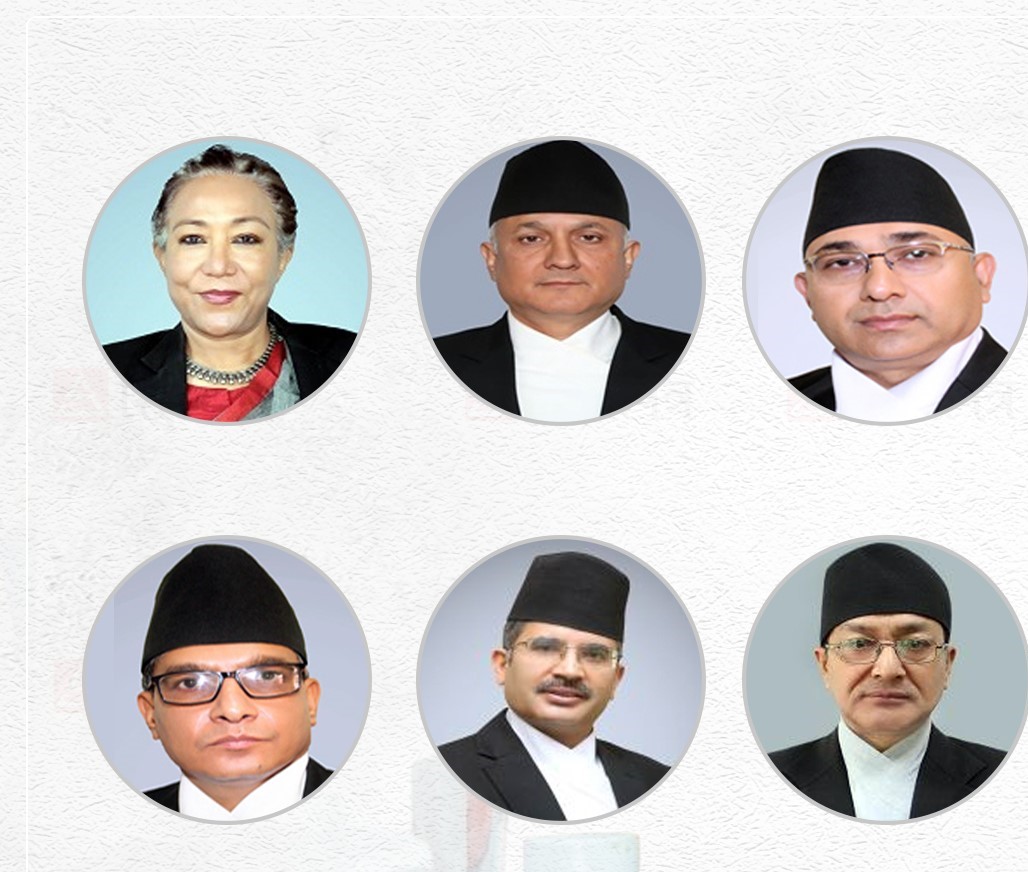
The Constitutional Council recommended Sharma by bypassing three senior Supreme Court justices, including Acting Chief Justice Sapana Pradhan Malla. The decision broke Nepal’s long-standing judicial convention under which the senior-most justice is generally elevated to the position of Chief Justice.The move immediately created disagreement within the Constitutional Council itself. National Assembly Chairperson Narayan Prasad Dahal and opposition leader Bhishmaraj Angdembe formally expressed dissent, arguing that institutional practice and judicial norms had been ignored.
Former Chief Justice Sushila Karki and former Prime Minister Baburam Bhattarai have also raised concerns over the recommendation process. Critics have questioned why Acting Chief Justice Sapana Pradhan Malla who is senior, experienced, and constitutionally qualified was bypassed despite being widely regarded as capable of leading the judiciary.Many legal observers argue that Malla possessed all the qualifications necessary to become Chief Justice. Her supporters maintain that the issue is not about opposing Sharma personally, but about preserving judicial convention, transparency, and fairness in constitutional appointments.Some legal commentators have warned that the government may face consequences if constitutional appointments begin to appear politically influenced rather than institutionally grounded. The controversy has therefore evolved into a broader debate about judicial independence and political influence in Nepal’s judiciary.
Who is Dr. Manoj Kumar Sharma?
Justice Manoj Kumar Sharma comes from a legal practitioner background and has spent decades working in law, academia, and the judiciary.Born on June 18, 1970, in Birgunj, Sharma completed his Bachelor of Law (BL) from Nepal Law Campus. He later earned a Master of Laws (LLM) from University of Pune and obtained a PhD in Labour Law from Tribhuvan University.Before entering the judiciary, Sharma practiced law for many years and worked as a legal advisor to different companies and institutions. He was enrolled as an advocate in the mid-1990s and built experience in constitutional, labour, and corporate law.
His judicial career formally advanced when he served as an additional judge in appellate courts, including Butwal and Patan, between 2013 and 2015. On April 19, 2019, he was appointed as a justice of the Supreme Court of Nepal.Throughout his career, Sharma has also participated in national and international legal conferences and discussions related to judicial reform and governance.If approved through parliamentary hearing, Sharma will become Chief Justice for a full six-year tenure, serving until Baisakh 2089 BS.
Support for Sapana Pradhan Malla
Support for Acting Chief Justice Sapana Pradhan Malla has increased following the recommendation. Many members of Nepal’s legal community believe she deserved serious consideration not only because of seniority, but also because of her contribution to constitutional law, gender justice, and human rights jurisprudence.Her supporters argue that she was fully qualified to become Chief Justice and that bypassing her without a convincing public explanation raises questions about consistency and institutional fairness.The controversy has also reopened discussions about women’s representation in Nepal’s highest constitutional positions and whether qualified women continue to face barriers despite extensive judicial experience.
Challenges Awaiting the Next Chief Justice
Whoever leads the Supreme Court faces major institutional challenges. More than 22,000 cases remain pending, delays in hearings continue to affect public trust, and allegations regarding corruption and middlemen inside the judicial system remain unresolved.There are also longstanding concerns regarding weak implementation of court verdicts, coordination problems between the judiciary and the Nepal Bar Association, and declining confidence in constitutional institutions.
The next Chief Justice will therefore be expected not only to improve the efficiency of the courts, but also to restore credibility and trust in Nepal’s justice system.Ultimately, the debate surrounding this recommendation reflects a larger national question: whether constitutional appointments in Nepal will continue to follow institutional norms and judicial convention, or whether political considerations will increasingly shape the leadership of the judiciary.