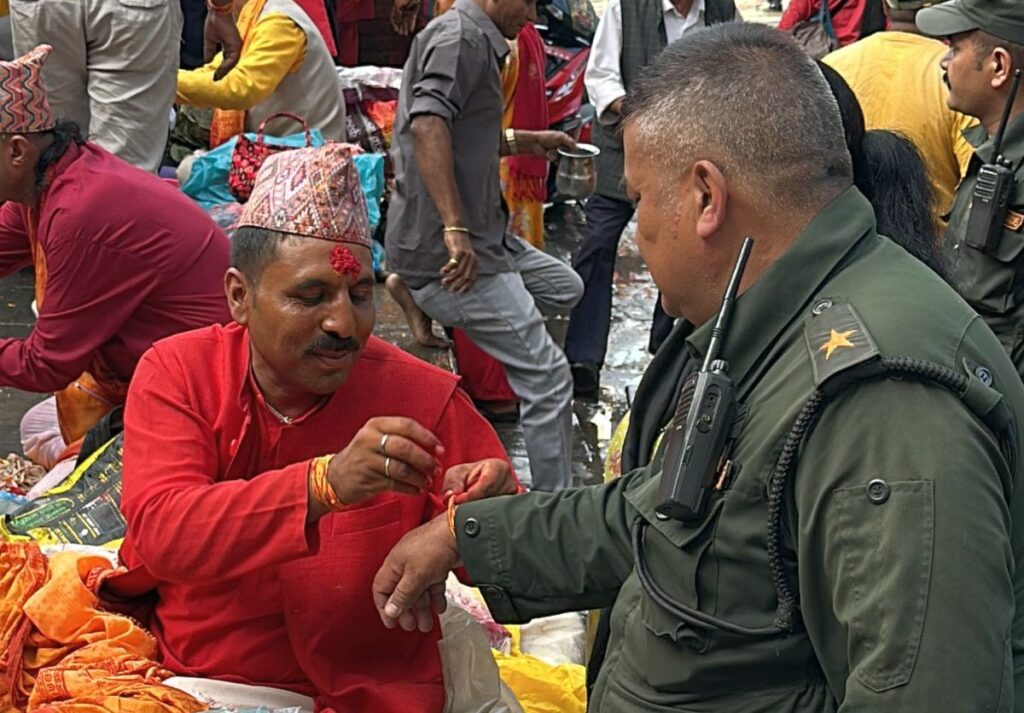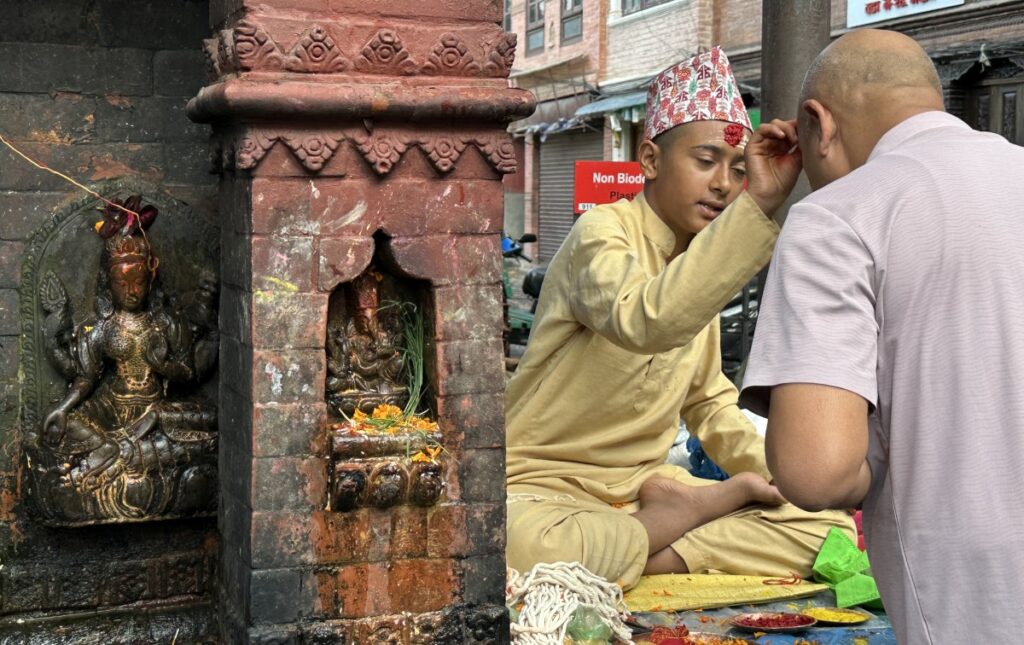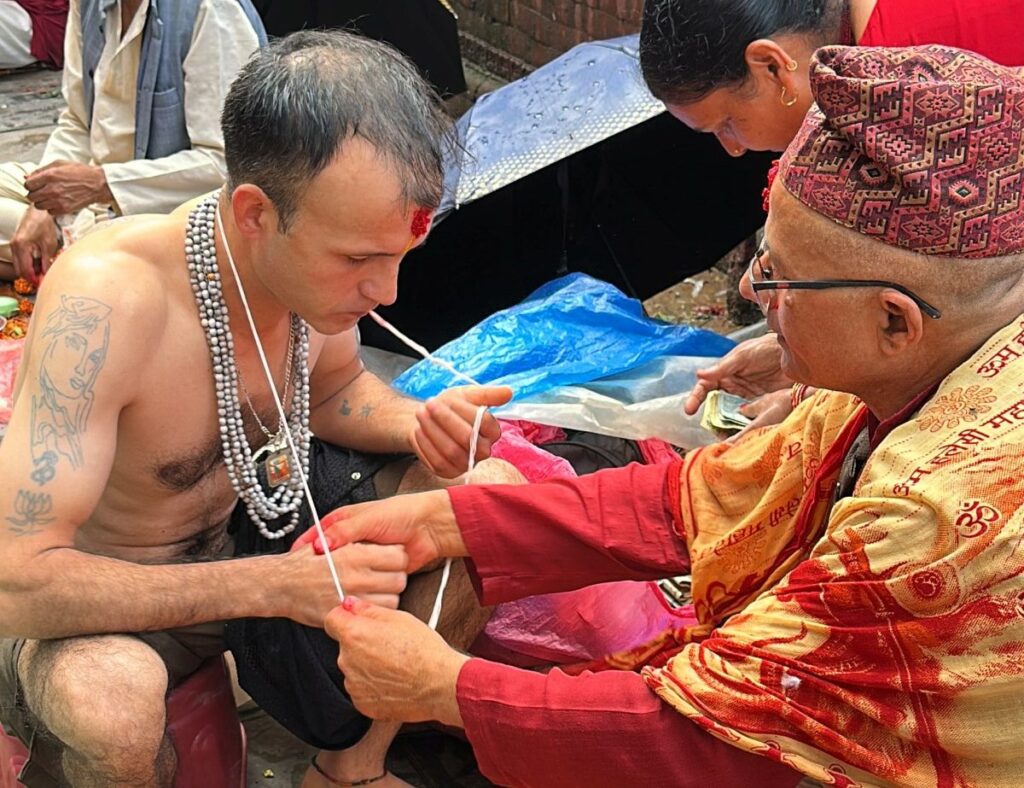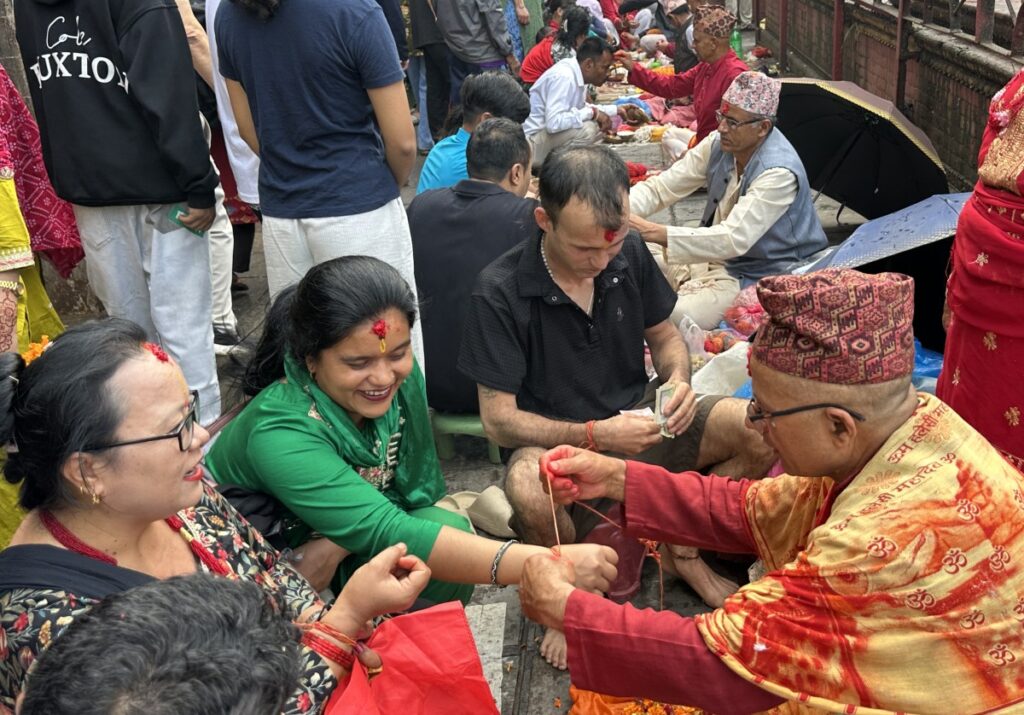
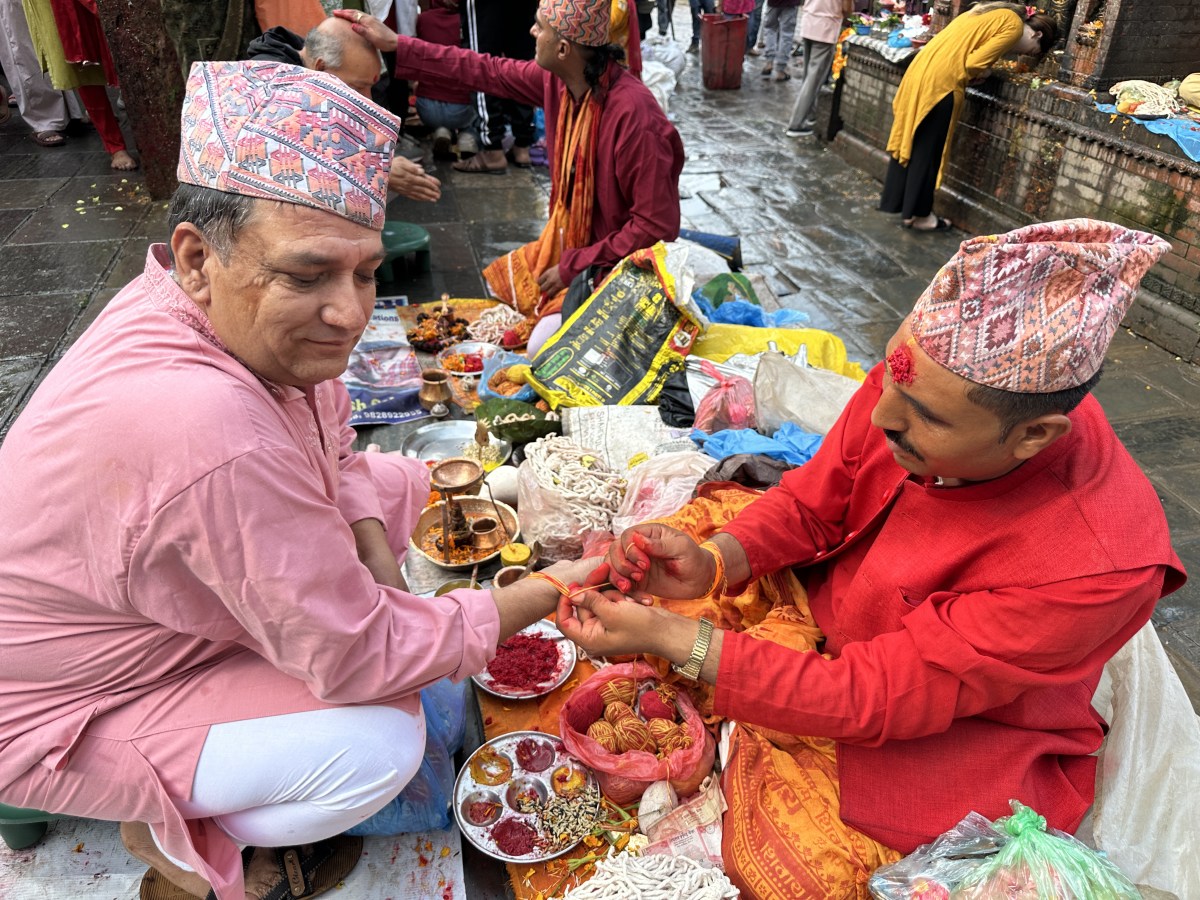
Kathmandu — People across Nepal are observing Janai Purnima and Raksha Bandhan on Friday, marking the full-moon festival with religious rituals, the exchange of sacred threads and family gatherings.
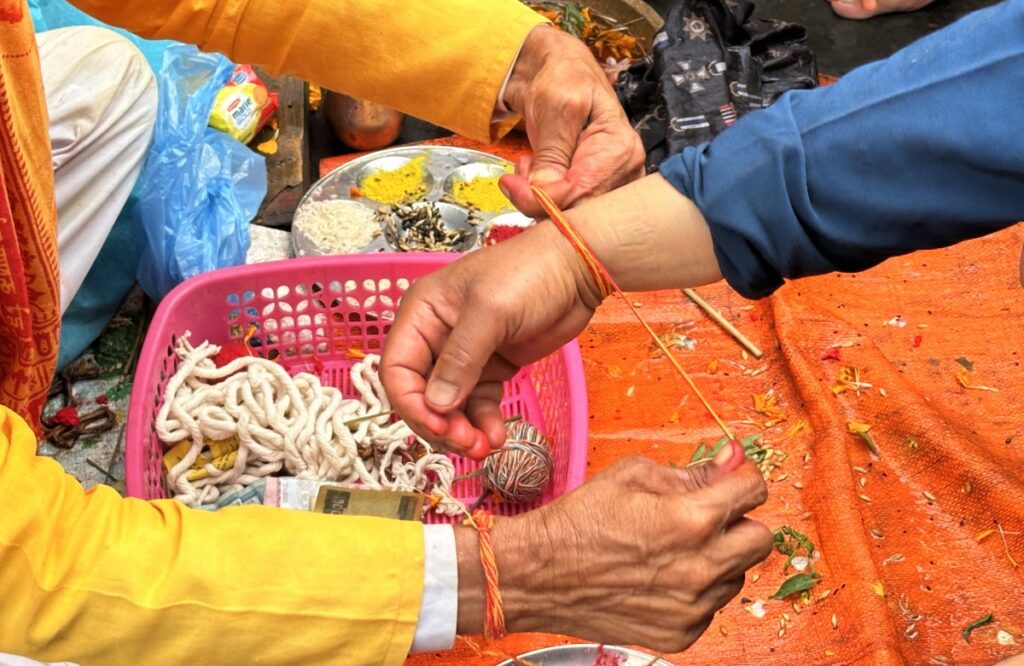
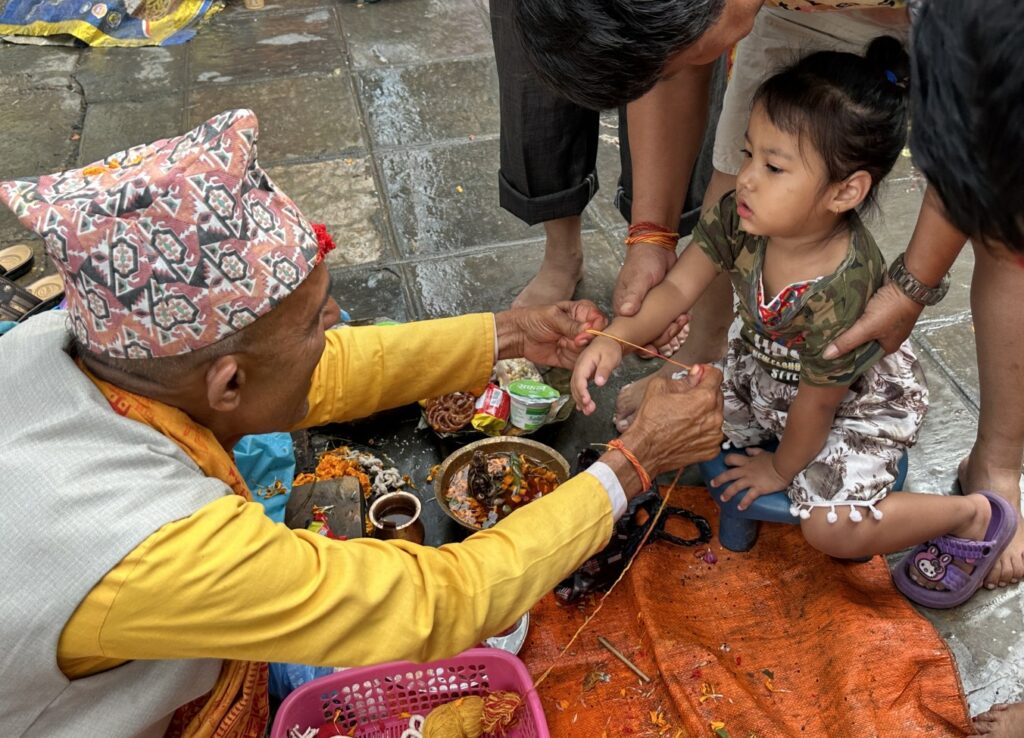
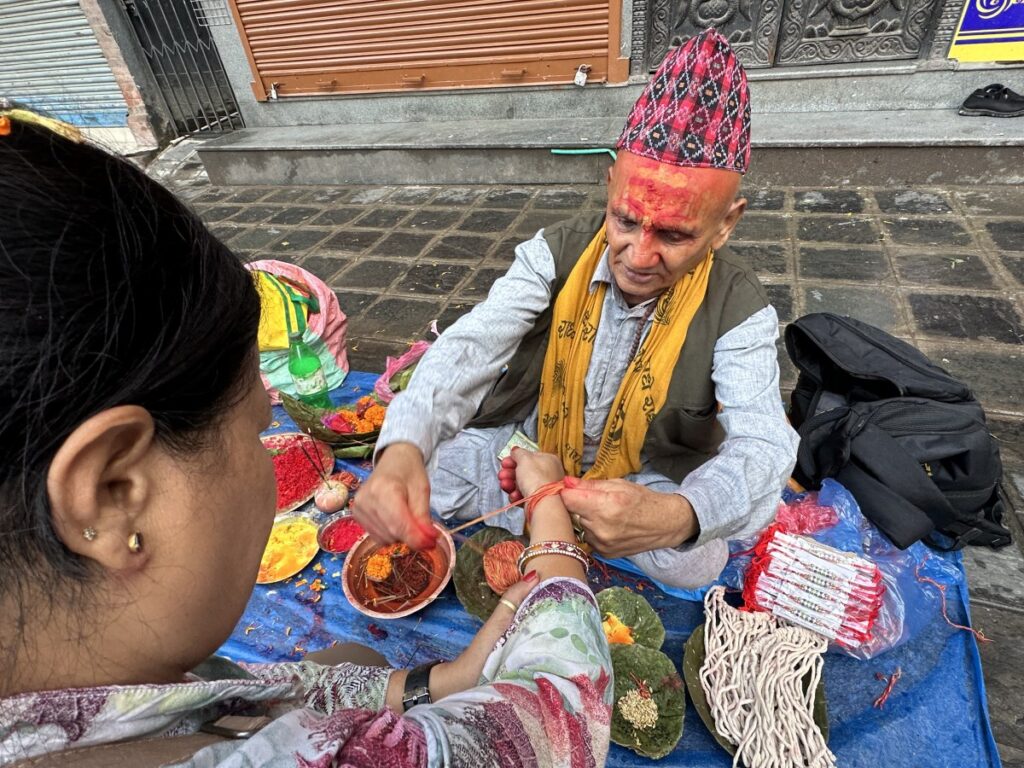
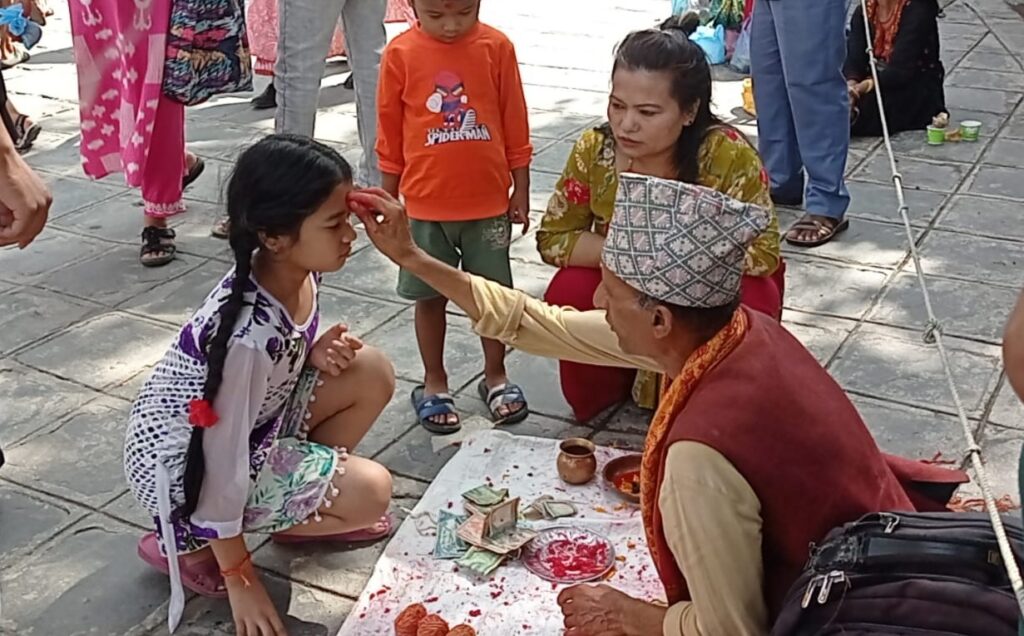
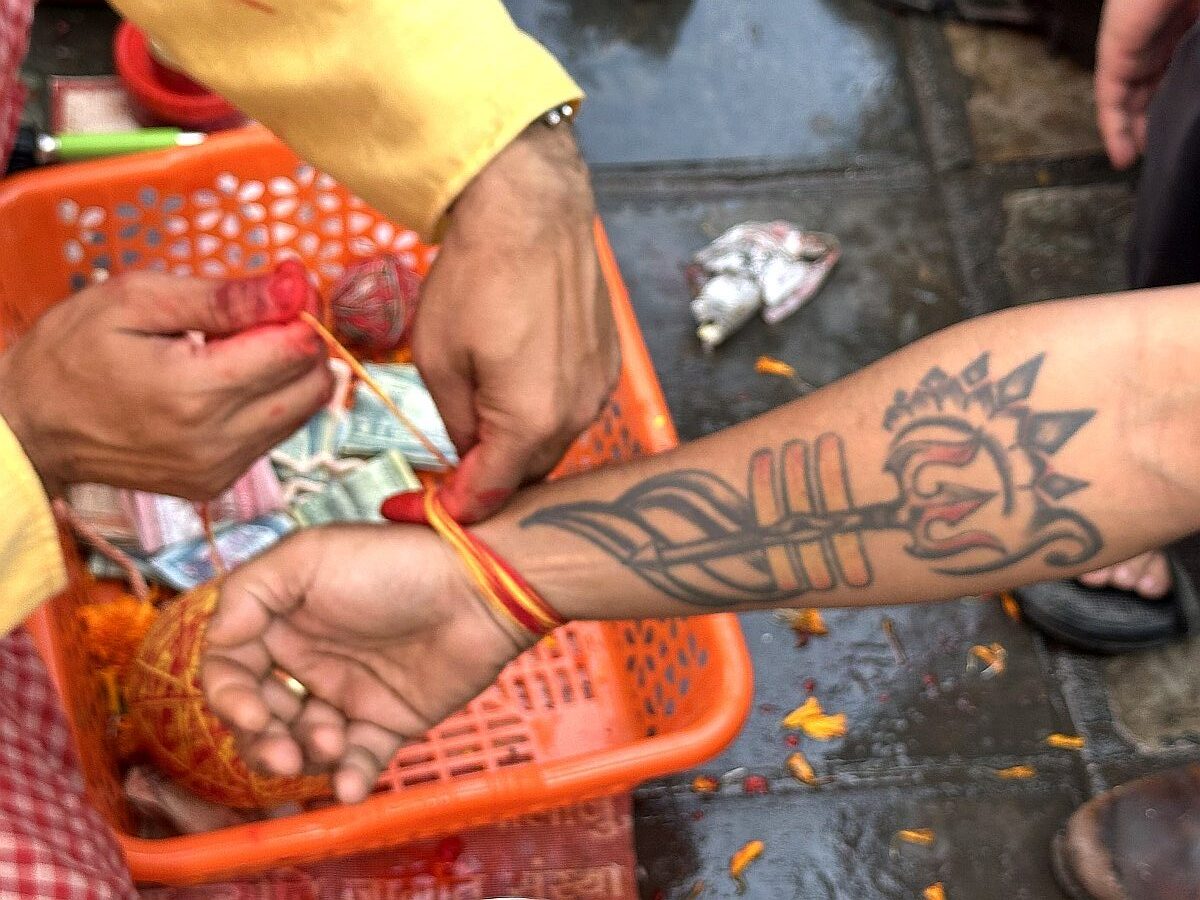
Hindu men who wear the janai, or sacred thread, change it after taking ritual baths and performing prayers. Priests and devotees also exchange or receive rakshya dhago, a sacred protective thread traditionally believed to bring protection and well-being.
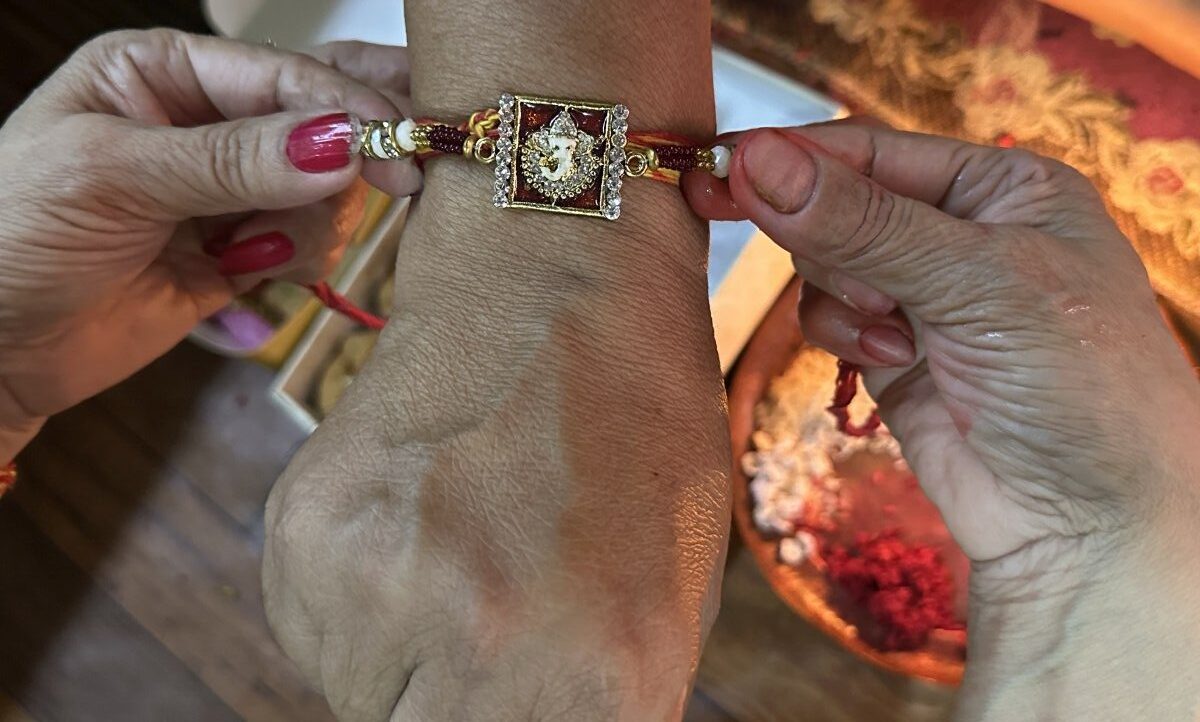
The festival is also celebrated as Raksha Bandhan, a day that highlights the bond between brothers and sisters. Sisters tie rakhi around their brothers’ wrists and offer prayers for their well-being, while brothers traditionally give gifts and pledge their support to their sisters.
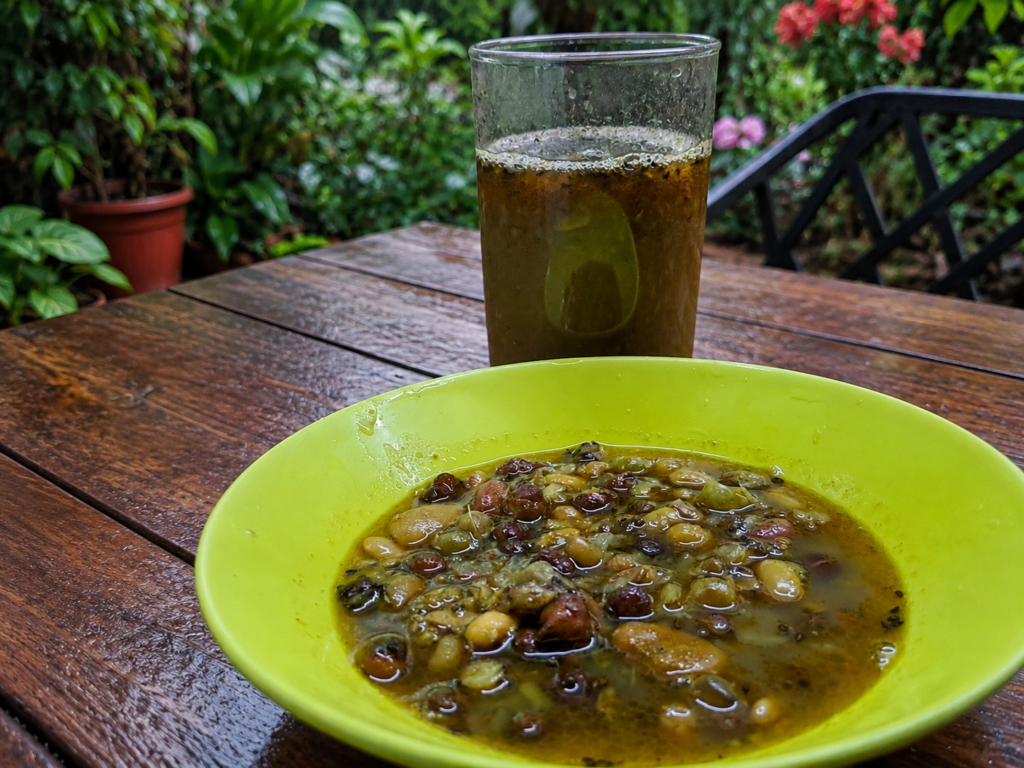
Food remains an important part of the celebration. Families prepare kwati, a traditional soup made from a mixture of nine types of sprouted beans and legumes. The nutritious dish is widely consumed during Janai Purnima and is considered an integral part of the festival’s culinary tradition.
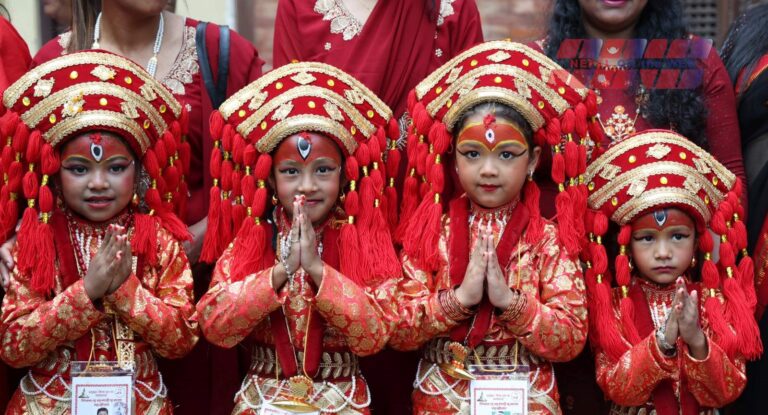
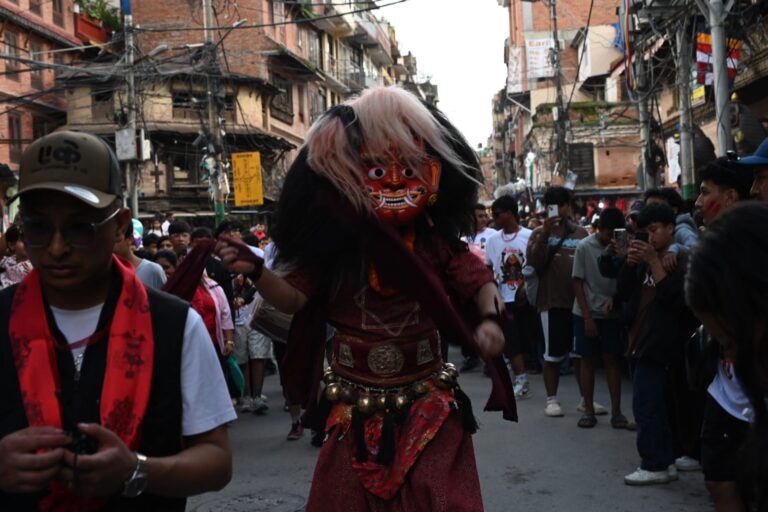
In the Kathmandu Valley, the festival is known as Gunhi Punhi and holds particular significance among the Newar community. People observe traditional rituals, visit temples and gather with family members for festive meals.
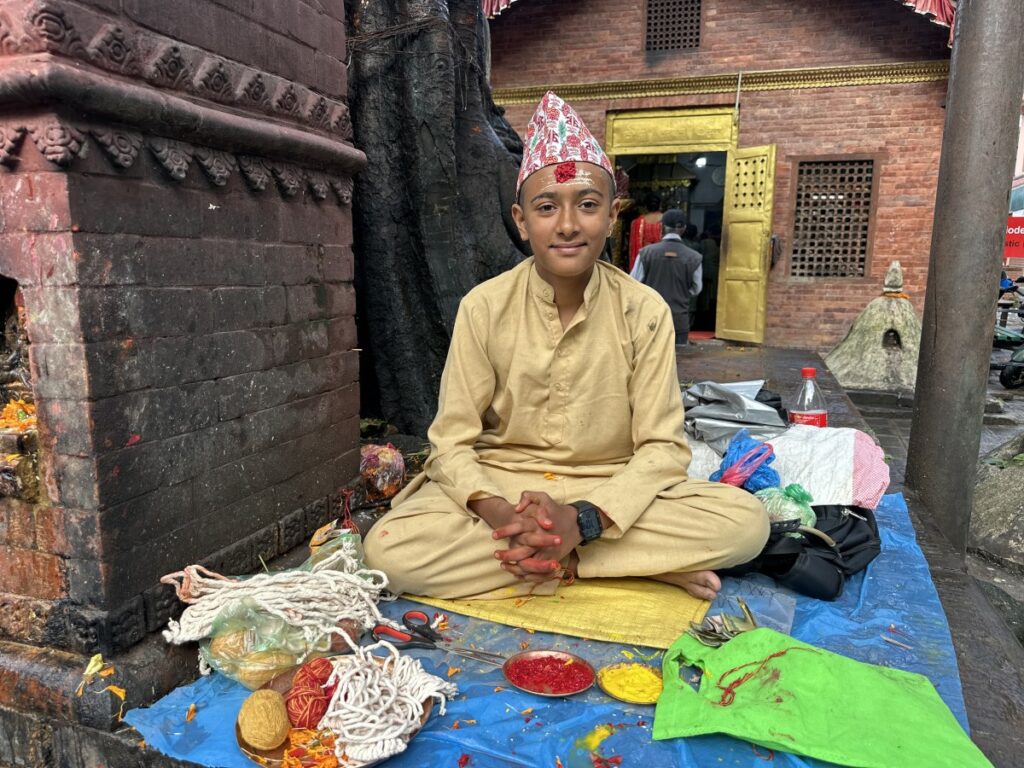
Devotees in different parts of the country also visit rivers, ponds and religious sites to take ritual baths and offer prayers. Priests perform religious ceremonies and distribute sacred threads to worshippers.
The festival combines religious devotion with traditions of family, protection and community, making Janai Purnima one of the significant cultural occasions in Nepal’s annual calendar.
Photo : Sunil Sharma