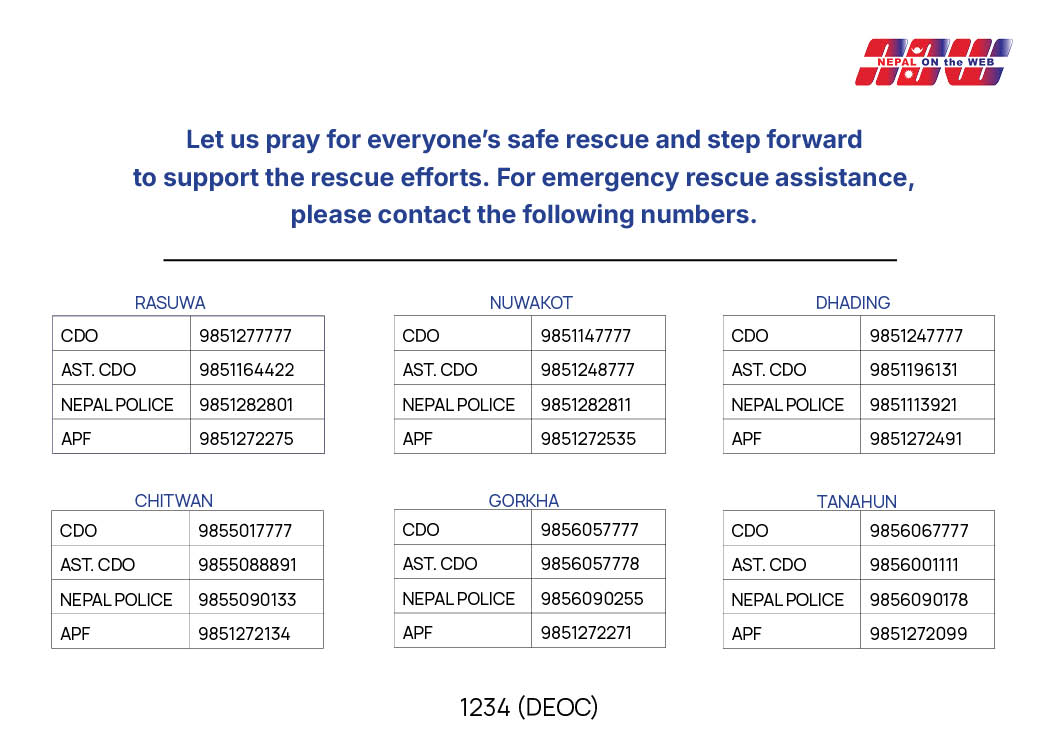
Kathmandu – Around 2,500 pilgrims and other travelers returning from the Kailash Mansarovar pilgrimage have reached Nepal through the Hilsa and Tatopani border points after a devastating flash flood in Rasuwa disrupted the main Nepal–China route.
According to the Ministry of Foreign Affairs, an estimated 3,000 people were travelling to or returning from the Kailash Mansarovar region when the disaster struck. Most of them were pilgrims. The ministry said efforts are continuing to facilitate the return of those still stranded, while some travelers are preparing to return to Nepal by air from Lhasa.
The flash flood struck the Bhote Koshi River corridor in Rasuwa on August 26, severely affecting Timure, Rasuwagadhi and Syabrubesi near the China border. The sudden surge swept away or damaged roads, bridges, vehicles, settlements and critical border infrastructure, cutting off the key route connecting Nepal with the Gyirong border in Xizang .
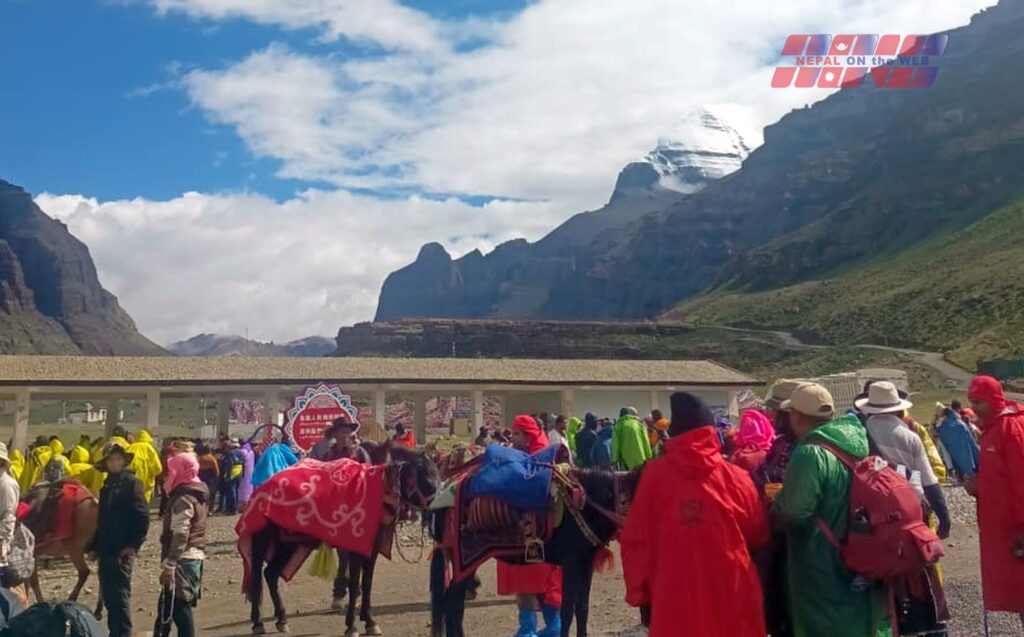
The disaster also disrupted the movement of hundreds of foreign tourists and Kailash-bound pilgrims. Nearly 400 pilgrims were initially reported out of contact in the Rasuwagadhi area as the flood destroyed communications and transport links.
The flood was linked to a sudden glacial collapse and massive release of water and debris in the Himalayan border region, causing widespread destruction downstream along the Bhote Koshi and Trishuli river systems.
The Ministry of Foreign Affairs said China has also been facilitating the return of Nepali and foreign nationals through alternative border routes. Authorities are coordinating with tourism agencies and relevant agencies to ensure the safe movement of pilgrims and travelers.
The situation highlights the importance of real-time travel information, emergency communication and alternative evacuation routes for pilgrims and tourists travelling through Nepal’s remote Himalayan border corridors.
Photo Source : Raju Pulami