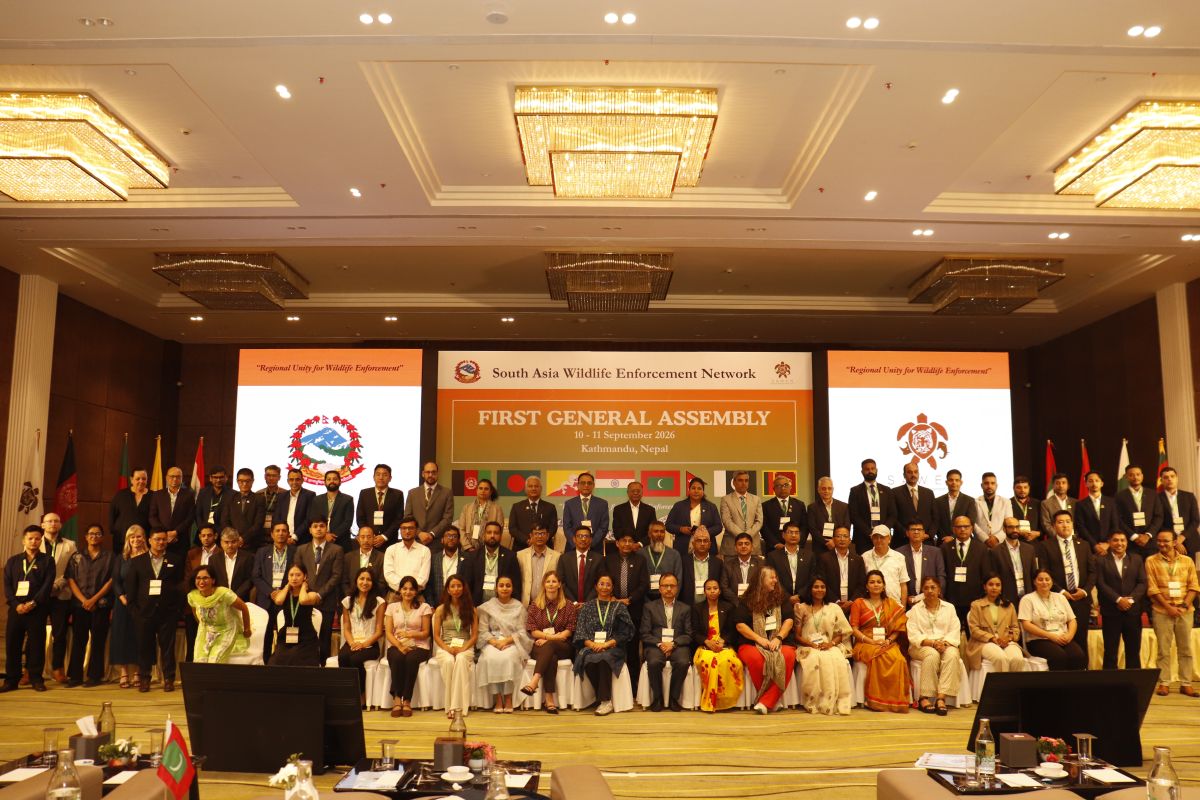
Kathmandu – South Asian countries have reaffirmed their commitment to combating illegal wildlife trade during the First General Assembly of the South Asia Wildlife Enforcement Network (SAWEN), held in Kathmandu on September 10 and 11. 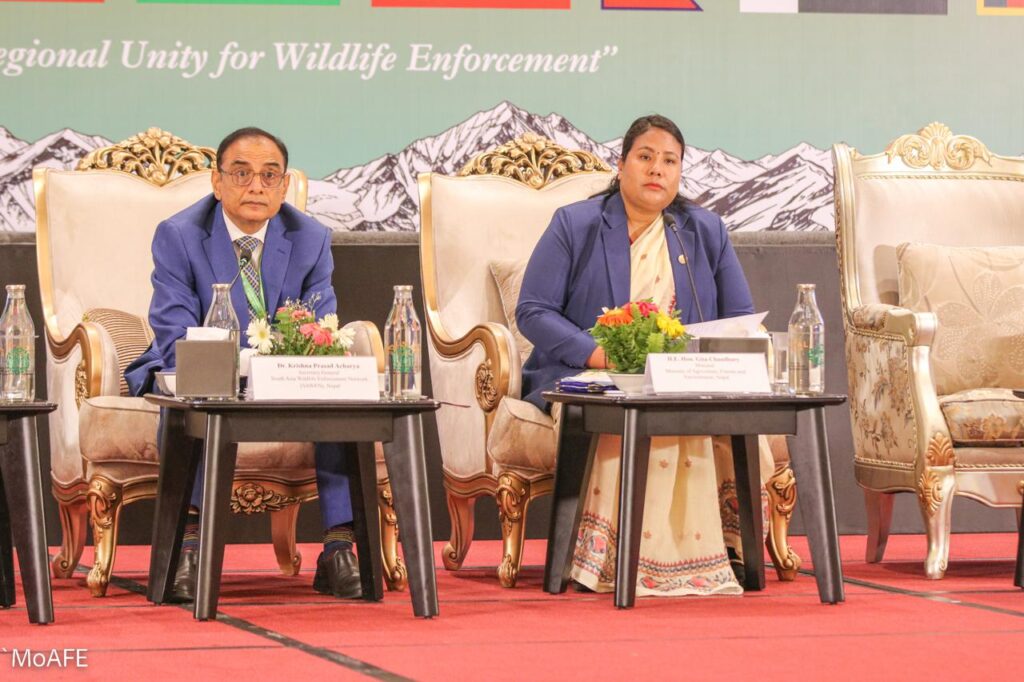
The Assembly was chaired by Nepal’s Minister for Agriculture, Forests and Environment Gita Chaudhary and inaugurated by Speaker of the House of Representatives Dol Prasad Aryal.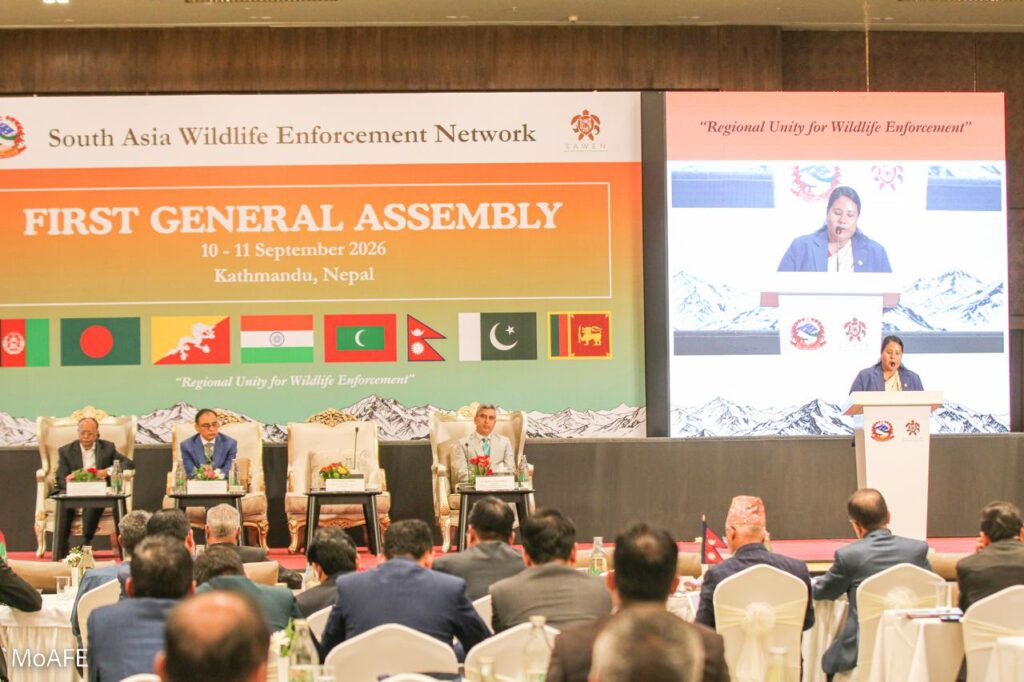
A major outcome was the adoption of the Kathmandu Declaration, which calls for stronger intelligence sharing, coordinated enforcement, criminal justice cooperation, financial investigations, technology and research. It also prioritises the safety and capacity of wildlife rangers and other frontline personnel.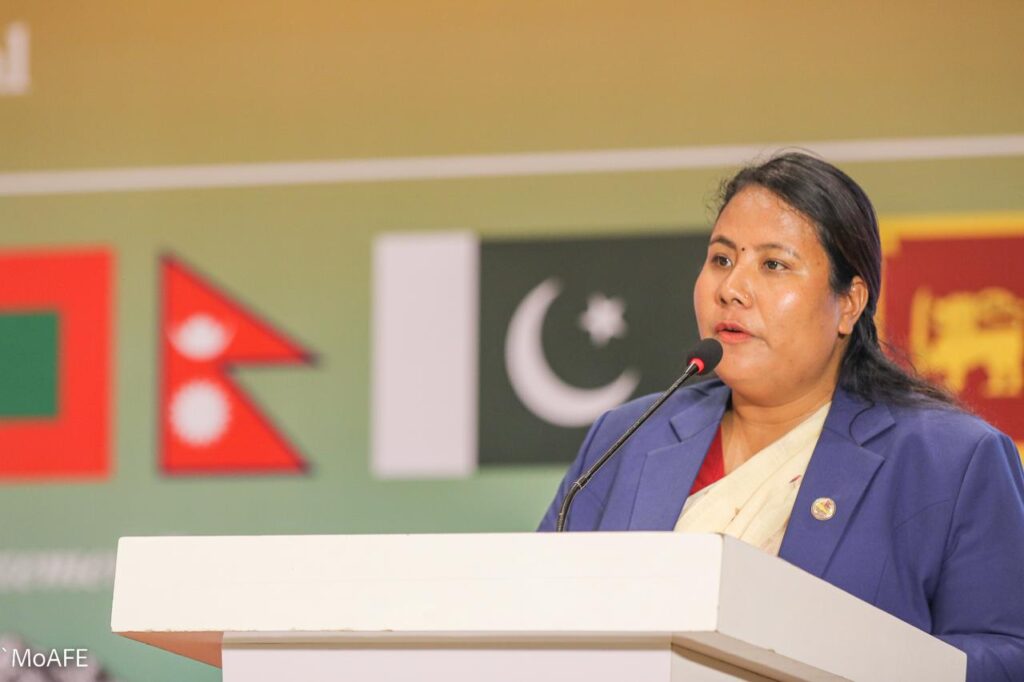
The Assembly adopted the SAWEN Implementation Plan 2026–2030 and approved a three-year programme focused on regional enforcement, cyber investigations, wildlife forensics, capacity development, public awareness and institutional strengthening.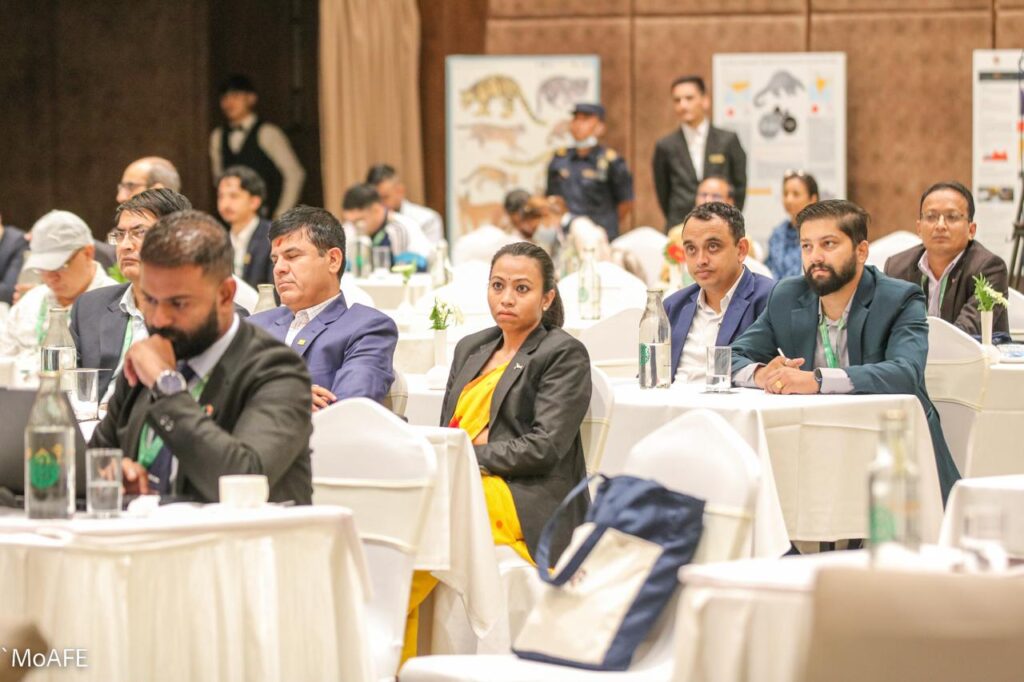
Member countries also agreed to observe January 30 annually as “SAWEN Day,” marking the organisation’s formal launch in Bhutan in 2011.
Representatives from international organisations, including UNODC, CITES, TRAFFIC, ICIMOD and the International Big Cat Alliance, participated in the programme.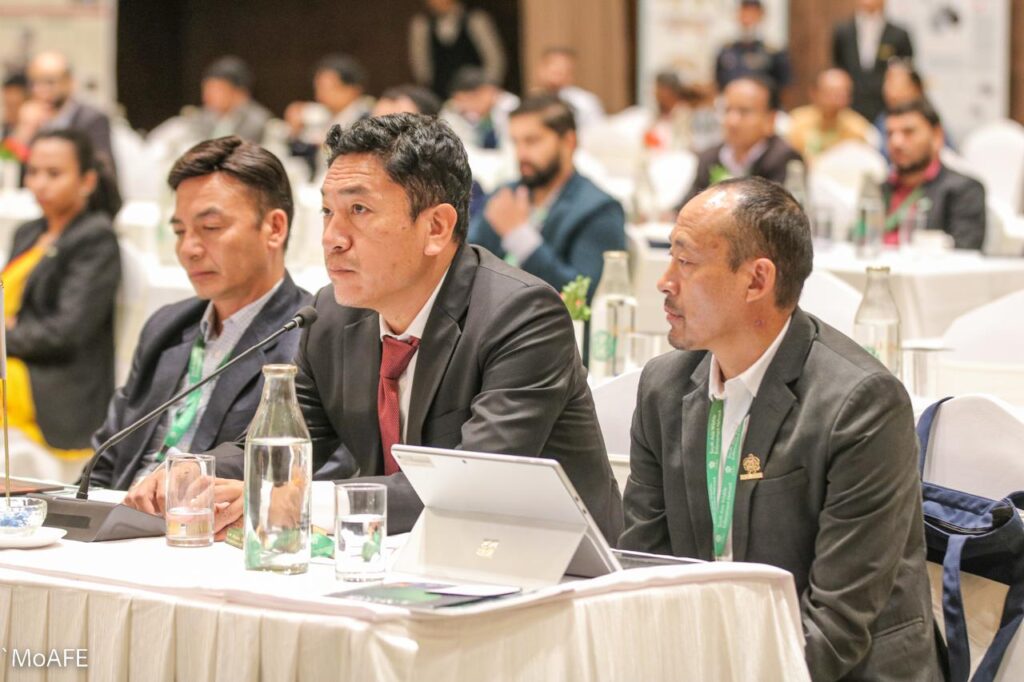
SAWEN Secretary General Dr Krishna Prasad Acharya said the priority was now to turn the decisions into practical action.
SAWEN comprises Afghanistan, Bangladesh, Bhutan, India, Maldives, Nepal, Pakistan and Sri Lanka, with its Secretariat based in Kathmandu.