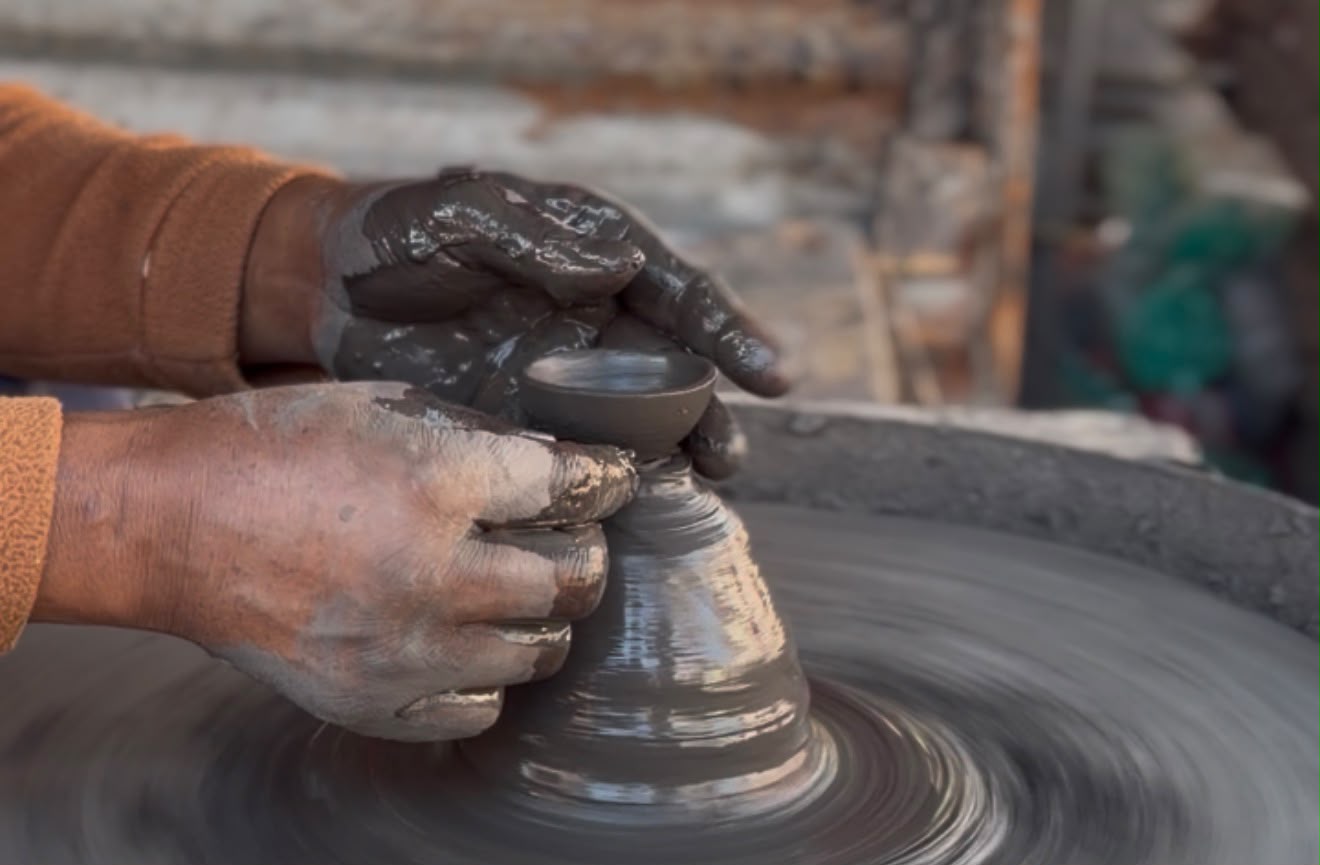
Bhaktapur — With Tihar approaching, artisans from Bhaktapur’s traditional Prajapati pottery community are busy making clay diyos, locally known as pala, to meet the growing seasonal demand.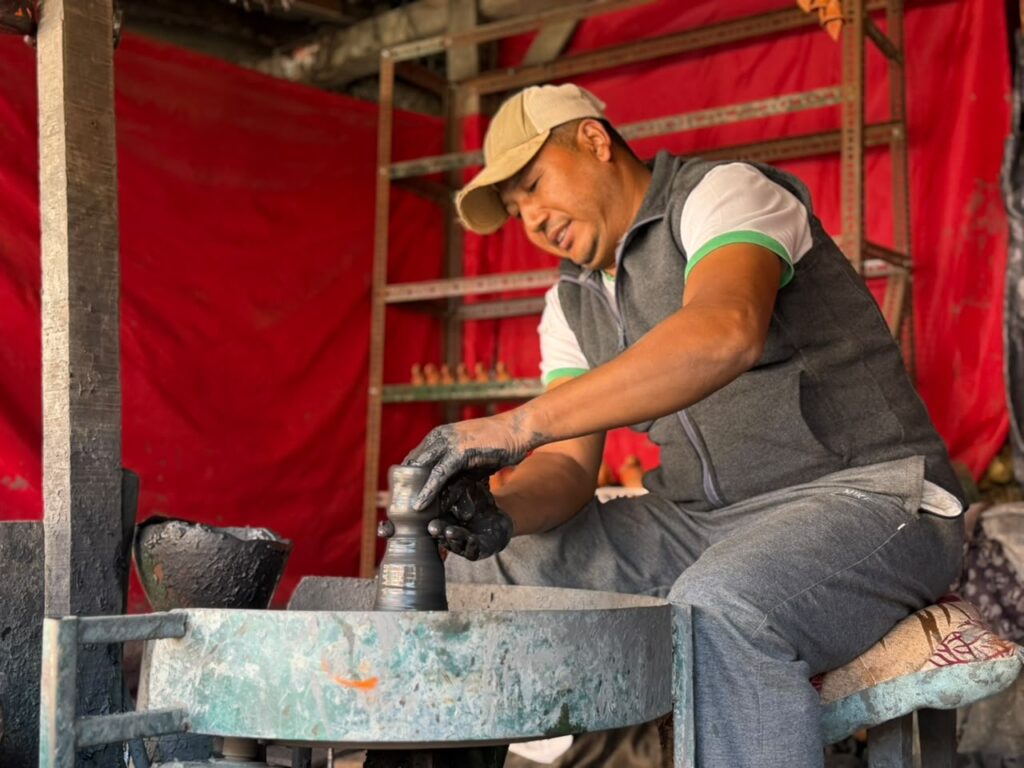
At Bhaktapur’s Pottery Square and surrounding pottery areas, artisans are shaping, drying and firing clay lamps ahead of Laxmi Puja. The activity increases during this period as households begin preparing traditional decorations and lamps for the festival.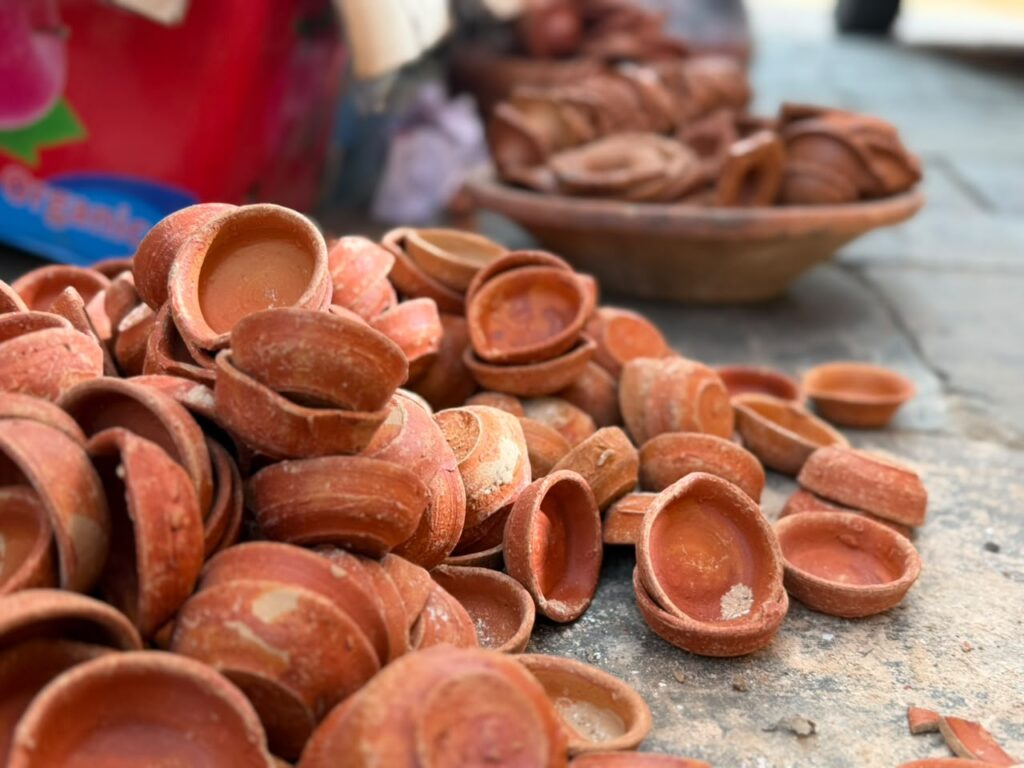
The clay diyo holds an important place in Tihar celebrations. Families light diyos during Laxmi Puja as part of the tradition of illuminating their homes and welcoming prosperity. The warm glow of oil lamps remains a familiar part of the festival despite the growing use of modern electric lights.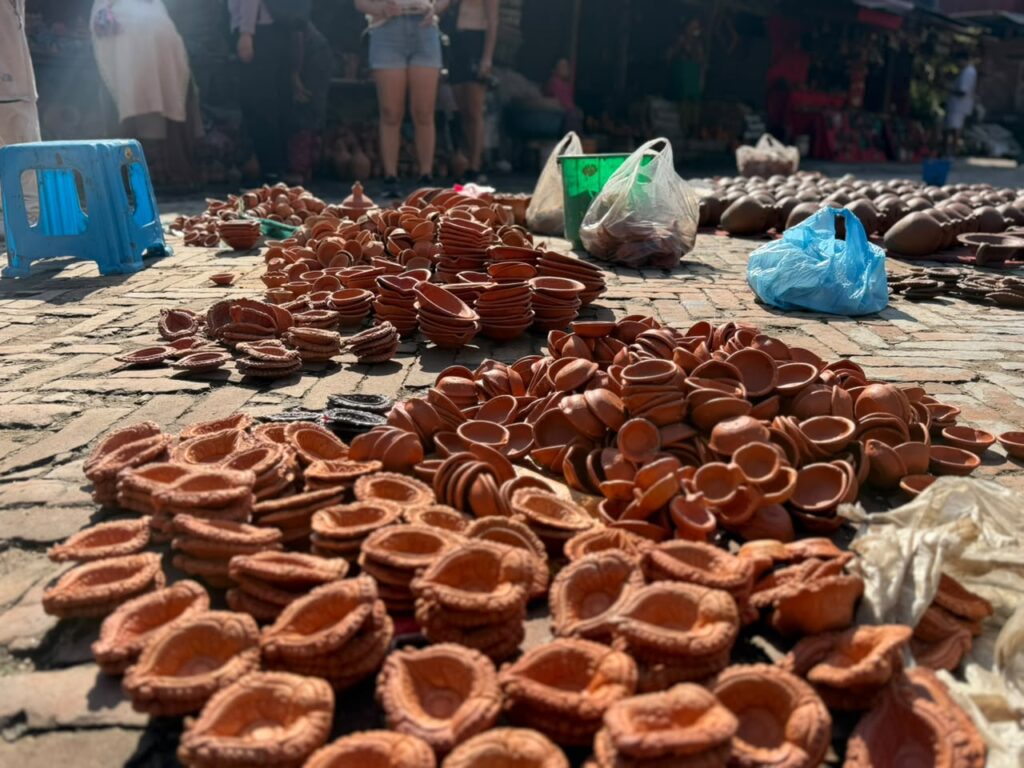
Bhaktapur-made diyos are also purchased by customers from outside the Kathmandu Valley. Buyers from different districts visit the pottery areas to purchase traditional clay lamps and other pottery products for Tihar.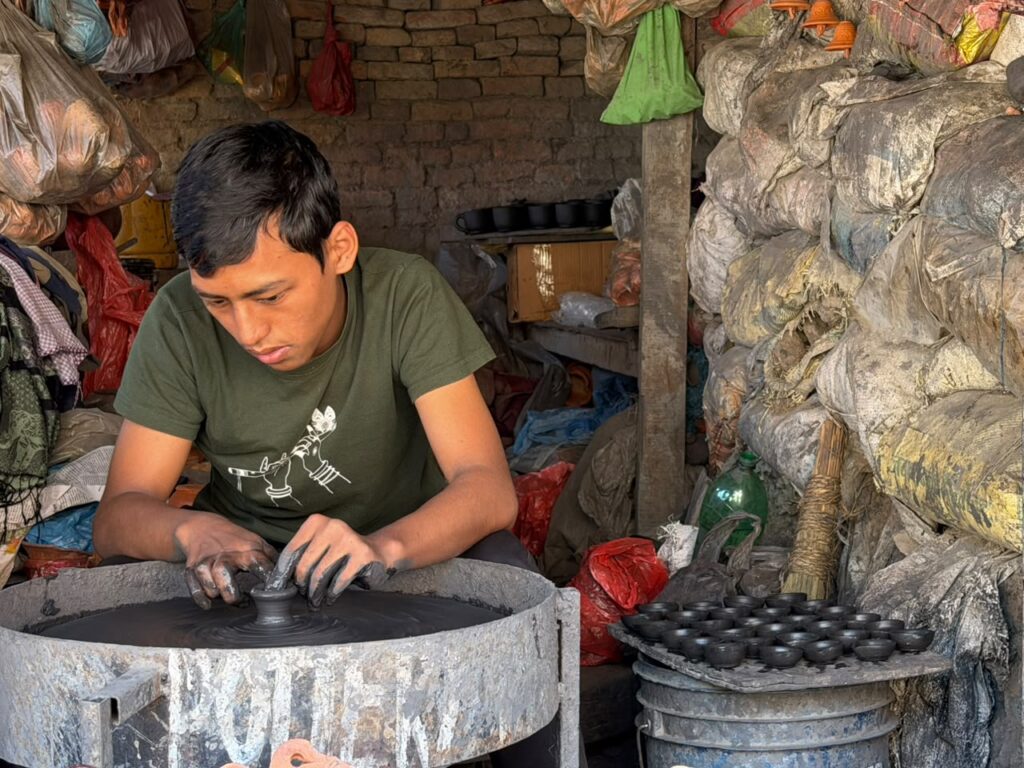
Making the lamps involves several stages, including preparing and shaping the clay, drying the finished pieces and firing them in kilns. The skills required for pottery have been passed down through generations within Bhaktapur’s Prajapati community.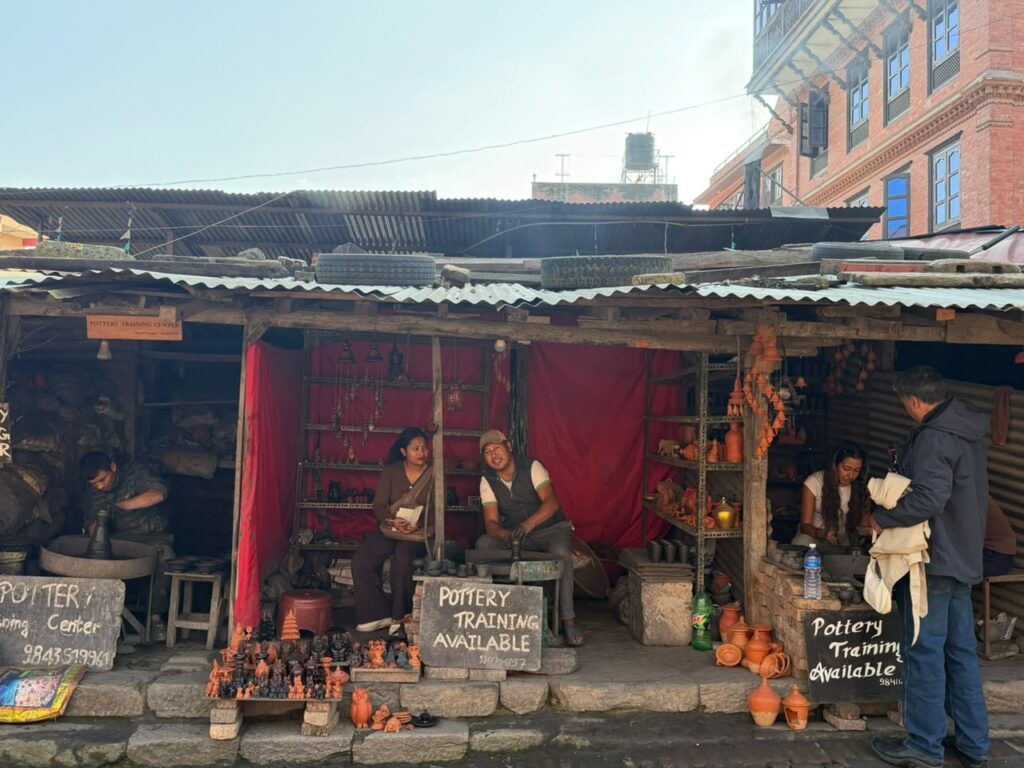
Tihar is an important seasonal period for many pottery families, providing additional demand and income. During the busy season, family members often work together to produce large quantities of clay lamps before the festival.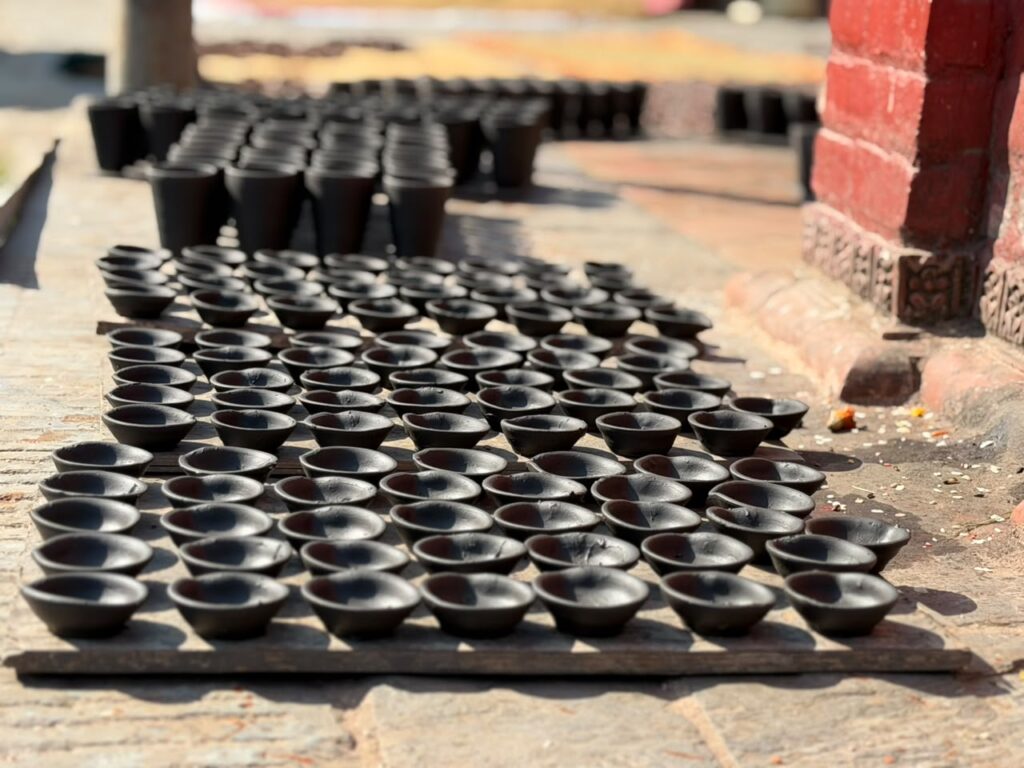
However, traditional pottery faces growing competition from electric decorative lights and changing consumer habits. Potters have raised concerns that reduced demand for clay lamps could affect the continuation of the traditional craft.
Despite these challenges, the annual Tihar demand keeps Bhaktapur’s pottery community active and preserves a craft closely connected with Nepal’s cultural and festive traditions.