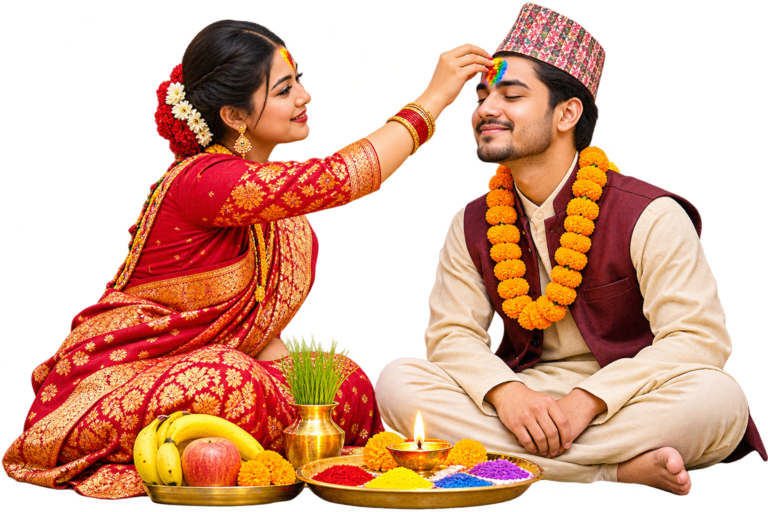
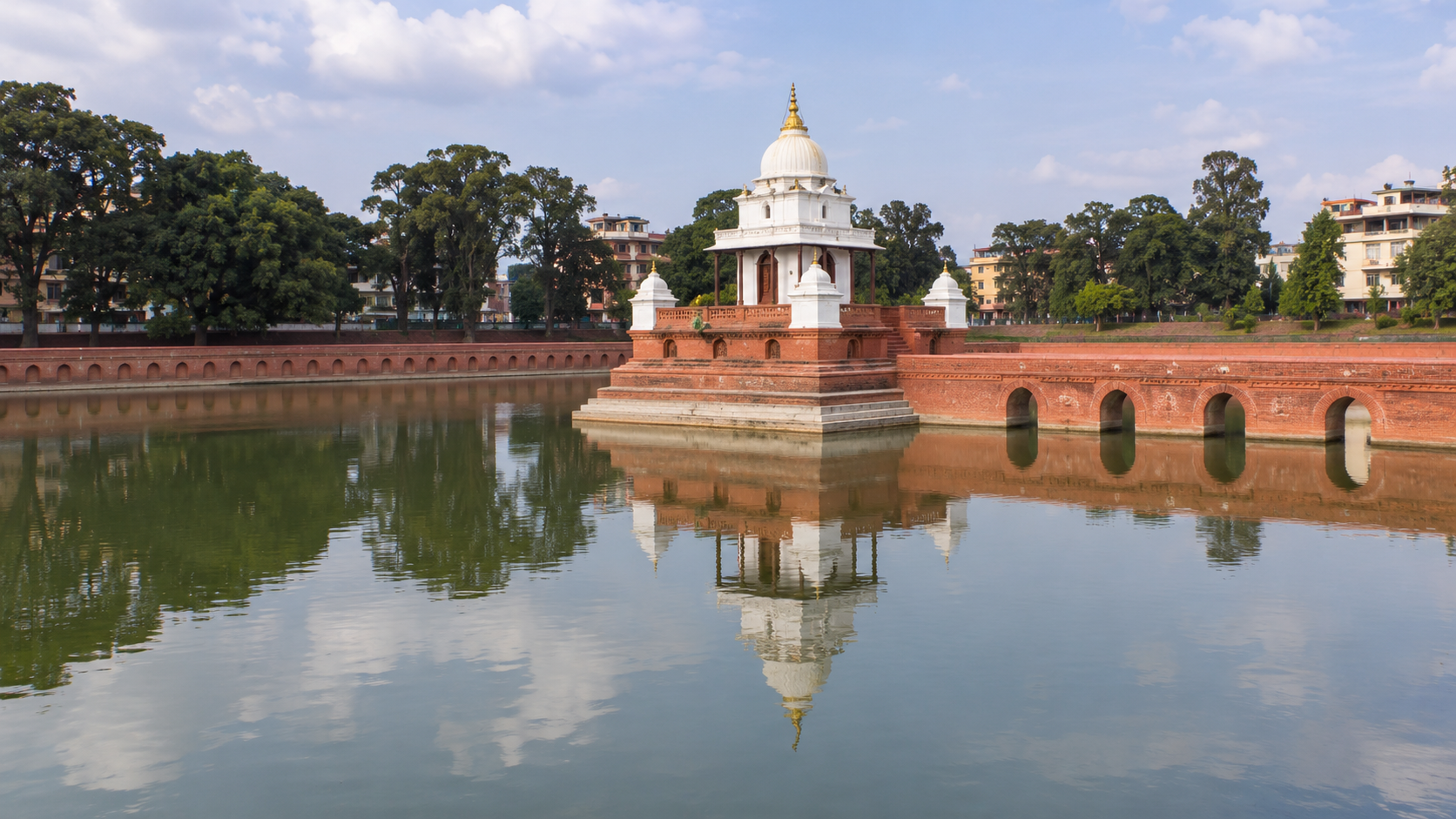
Kathmandu – The Bal Gopaleshwar Temple at Rani Pokhari in central Kathmandu opened to devotees on Wednesday, November 11, on the occasion of Bhai Tika, the final day of the Tihar festival.
The temple, which traditionally opens to the public only once a year on Bhai Tika, holds special significance for people who do not have brothers or sisters. Devotees visit the temple to offer prayers and participate in the tika ceremony, allowing them to observe the festival’s traditions.
Kathmandu Metropolitan City spokesperson Nabin Manandhar said all necessary preparations had been completed to welcome devotees from early Wednesday morning.
A similar tradition is observed at the Khanjaneshwar Mahadev Temple in Jayabageshwari, where people without siblings also gather to offer prayers and receive tika during Bhai Tika.
According to cultural expert and Guthi Sansthan chairperson Dr. Govinda Tandon, the practice of opening Bal Gopaleshwar Temple to devotees has evolved over the years. Before 2035 BS, concerns about people jumping into Rani Pokhari to reach the temple led to restrictions on public access.
After 2035 BS, arrangements were made to open the temple for Bhai Tika. However, the devastating Gorkha earthquake of April 25, 2015, severely damaged the historic structure, temporarily interrupting the tradition.
During the reconstruction period, devotees who wished to observe Bhai Tika without siblings visited Khanjaneshwar Mahadev Temple instead. Following its reconstruction, Bal Gopaleshwar Temple reopened to devotees in 2077 BS.
Meanwhile, the Newar community celebrates Bhai Tika as Kija Puja, an important cultural occasion honouring the relationship between brothers and sisters.
The observance of Kija Puja varies according to family traditions and local religious calendars. While some Newar families are celebrating on Wednesday, many in Bhaktapur observed the festival on Tuesday, following a decision by priests and astrologers associated with the Taleju Temple.
The annual opening of Bal Gopaleshwar Temple remains a meaningful tradition in Kathmandu, offering people without siblings an opportunity to participate in the spirit of Bhai Tika while preserving the city’s religious and cultural heritage.