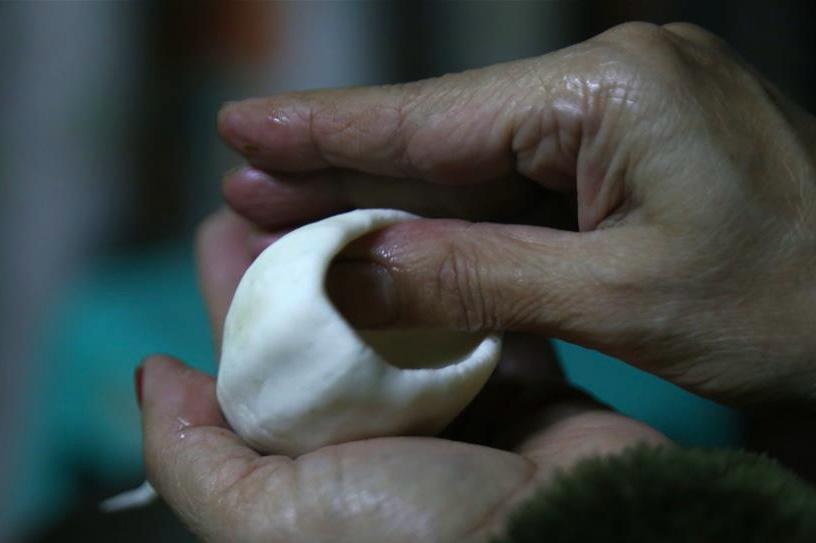
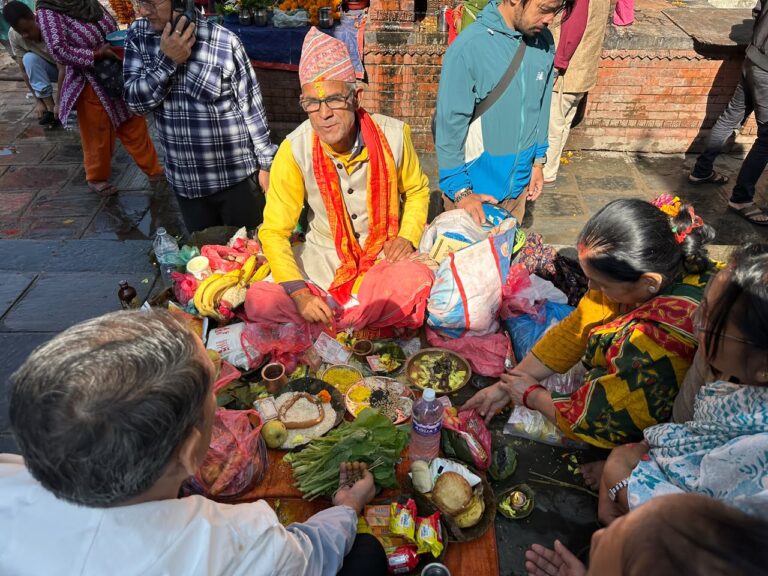
The origins of the festival are linked to the town of Panauti, where a couple’s act of sharing yomari with a beggar—who turned out to be Kuber, the god of wealth—led to blessings of prosperity. According to legend, Kuber promised that anyone making yomari in the shape of deities on the full moon day would receive wealth. Over time, the practice of offering yomari to Annapurna during Yomari Punhi became widespread.

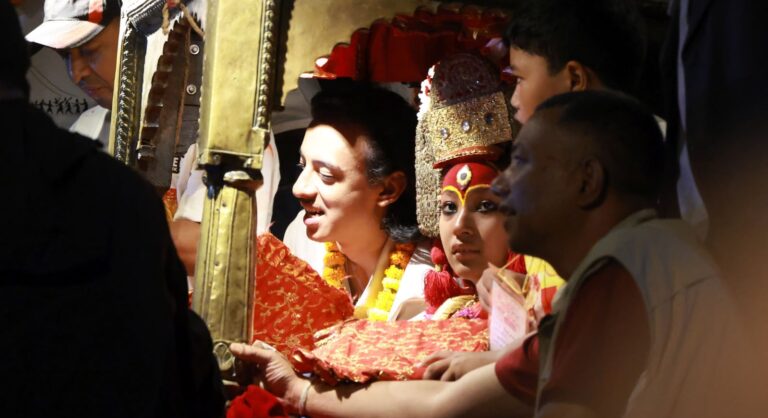
People visit each other’s homes to exchange yomari, a tradition known as “Yomrai Fonegu,” which symbolizes love and affection. The festival also includes visits to temples, particularly Annapurna Temple, where offerings of yomari are made. Cultural performances, such as masked dances and traditional Newari music, add vibrancy to the festivities.
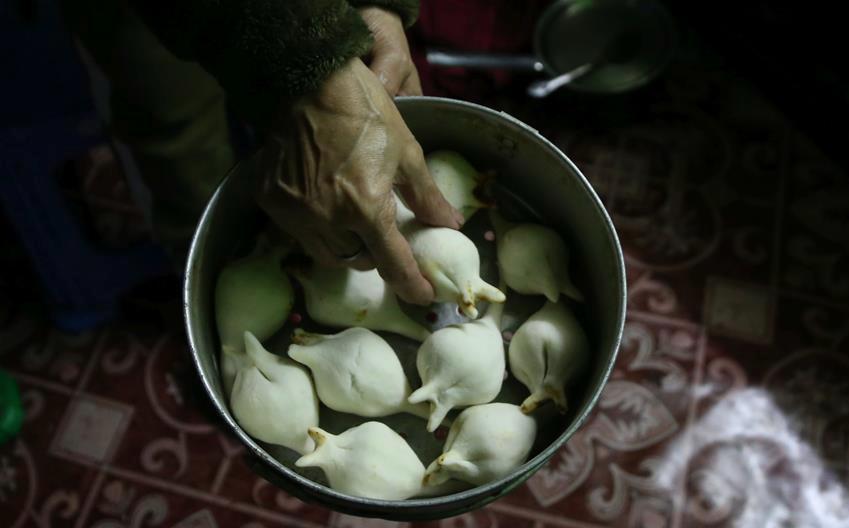
While Yomari Punhi remains rooted in tradition, modern adaptations of yomari with various fillings and presentations have emerged. The festival’s focus on family bonding, community spirit, and respect for the harvest remains central to its significance. There is a traditional saying that the longer the tip of a Yomari is shaped, the longer the day is believed to become.
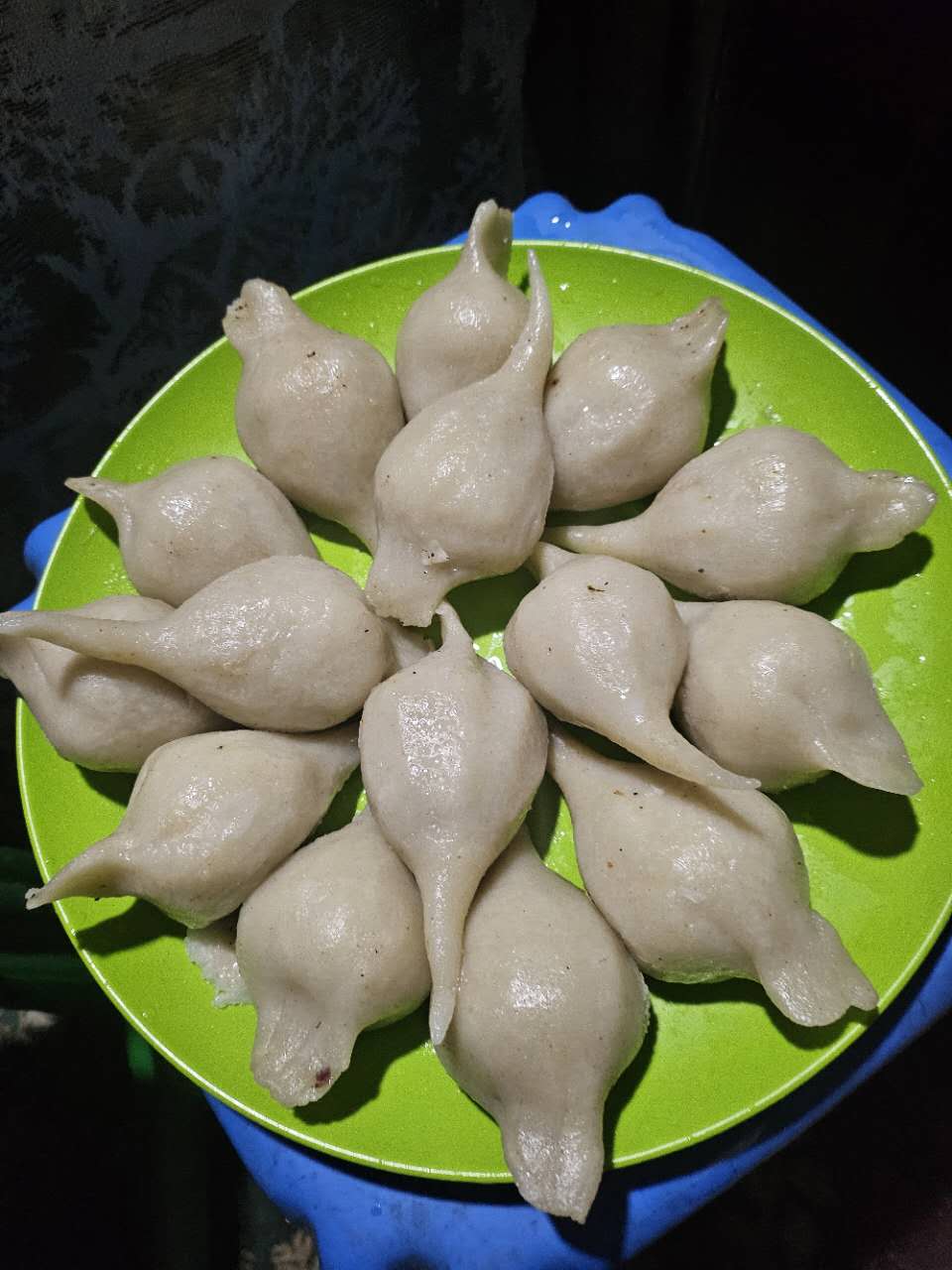
Yomari Punhi serves as a reminder of Nepal’s rich cultural heritage, religious diversity, and the enduring importance of food in Newar traditions, highlighting how the festival unites the community in celebration and devotion.