
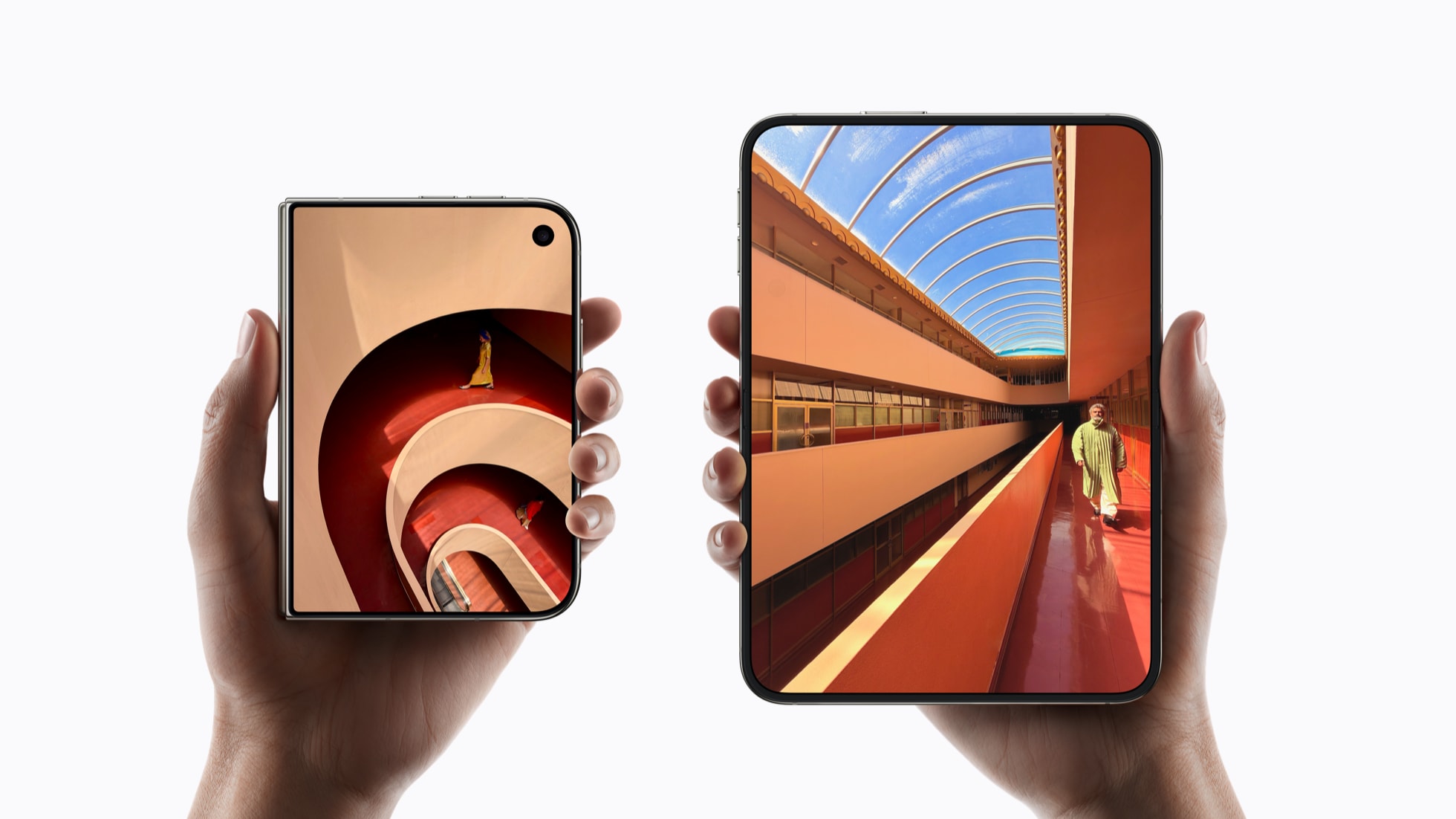
Kathmandu – Apple has announced a major expansion of its product ecosystem, introducing its first foldable iPhone alongside the iPhone 18 Pro lineup, AirPods 5, Apple Watch Series 12 and Apple Watch Ultra 4.
The company also revealed a redesigned health and fitness experience powered by Apple Intelligence. The announcements place greater emphasis on artificial intelligence, advanced health monitoring, battery life and closer integration between Apple devices.
iPhone Duo: Apple’s first foldable iPhone
The new iPhone Duo marks Apple’s entry into the foldable smartphone market. When opened, the device features a 7.6-inch inner Super Retina XDR display, while the compact 5.4-inch outer display is designed for comfortable one-handed use.
Both screens support ProMotion, Always-On functionality and up to 3,000 nits of peak outdoor brightness. The inner display also features a nano-texture finish designed to reduce reflections and make the fold less noticeable.
Apple has equipped the phone with a precision hinge made from more than 100 components. The body uses grade 5 titanium, while Ceramic Shield protects the back and Ceramic Shield 2 improves scratch resistance on the outer display. The device also carries an IP68 rating for resistance to water and dust.
Powered by the A20 Pro chip, iPhone Duo introduces Split View multitasking, allowing two applications to run side by side. Apple has adapted iOS 27 to respond dynamically as the device is opened, closed, rotated or placed on a surface. Apple Pencil support is expected later in the year.
The camera system includes 48-megapixel Fusion Main and Ultra Wide cameras. Its folding design allows users to capture selfies using the rear cameras, show a live preview on the outer display and make hands-free FaceTime calls without a stand.
Apple says the phone can provide up to 31 hours of video playback using the inner screen or up to 44 hours through the outer screen. It will be offered in Star White and Night Sky, with storage options ranging from 256GB to 2TB.
The iPhone Duo starts at $1,999 in the United States. Pre-orders begin on October 16, with availability starting October 23 in selected markets.
iPhone 18 Pro and Pro Max bring variable-aperture cameras
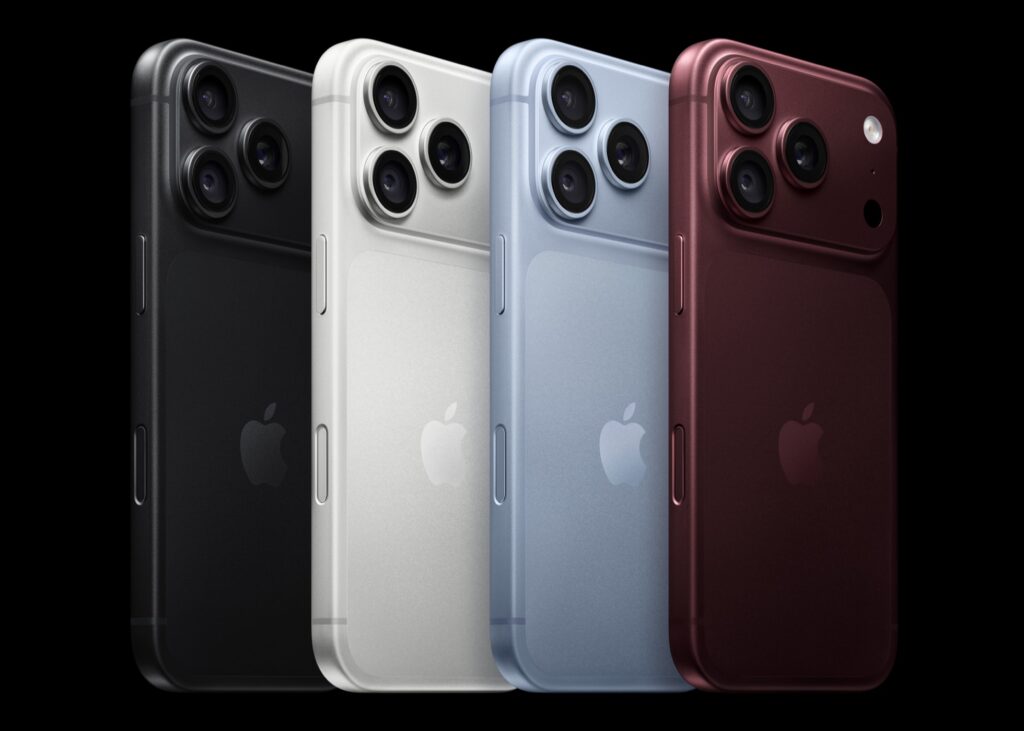
Apple also introduced the iPhone 18 Pro and iPhone 18 Pro Max, powered by the A20 Pro processor and an upgraded thermal management system.
The main highlight is a 48-megapixel Fusion camera featuring variable aperture for the first time on an iPhone. Six aperture blades automatically adjust to lighting conditions and depth of field, while professional users can manually select from four aperture settings.
The system is designed to produce better low-light photographs, sharper group pictures and greater creative control. Both phones also feature a smaller Dynamic Island and new camera controls.
A redesigned vapour chamber provides significantly more surface area for heat dissipation, helping the phones maintain performance during gaming, video editing and AI workloads.
Apple claims that eSIM-only versions of the iPhone 18 Pro offer up to 36 hours of video playback, while the Pro Max reaches up to 45 hours. The iPhone 18 Pro can charge to 50 percent in approximately 15 minutes using a wired connection.
Both models run iOS 27 and include Siri AI, which can use personal context and onscreen awareness to assist users across messages, emails, photographs and applications.
The phones will be available in Black, Silver, Glacier and Burgundy, with storage capacities from 256GB to 2TB. US pricing starts at $1,199 for the iPhone 18 Pro and $1,299 for the iPhone 18 Pro Max. Pre-orders begin September 12, followed by availability on September 18 in more than 65 countries and regions.
AirPods 5 introduce improved open-Ear noise cancellation
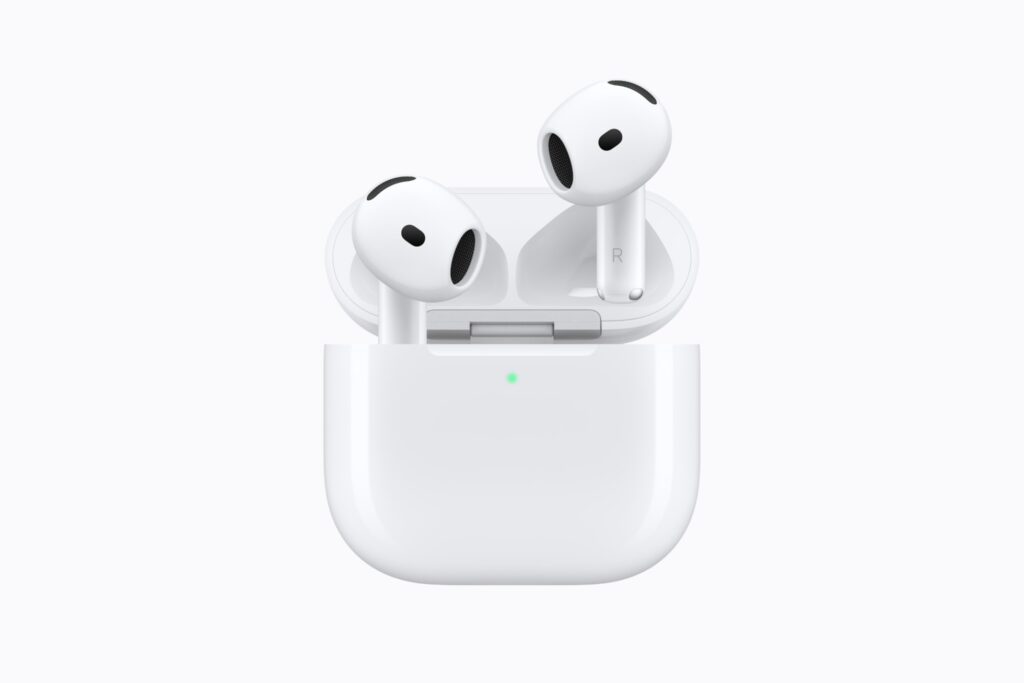
The new AirPods 5 offer Active Noise Cancellation in Apple’s open-ear earbud design. According to Apple, the earbuds remove up to 50 percent more external noise than AirPods 4 with ANC.
An updated multiport acoustic architecture and next-generation Adaptive EQ improve sound quality, while a more natural Transparency mode helps users hear voices and surrounding sounds clearly.
Adaptive Audio automatically balances noise cancellation and transparency according to the environment. Conversation Awareness lowers the volume when the wearer begins speaking to someone nearby.
AirPods 5 also provide hands-free access to Siri AI, support head gestures for responding to Siri and offer Live Translation when paired with a compatible Apple device. Apple has also improved their resistance to dust, sweat and water.
The standard AirPods 5 are priced at $129, while the version with a Wireless Charging Case costs $149 and includes longer battery life and on-stem volume control. Both versions will become available in stores on September 18.
Apple Watch Series 12 adds an advanced health sensing system
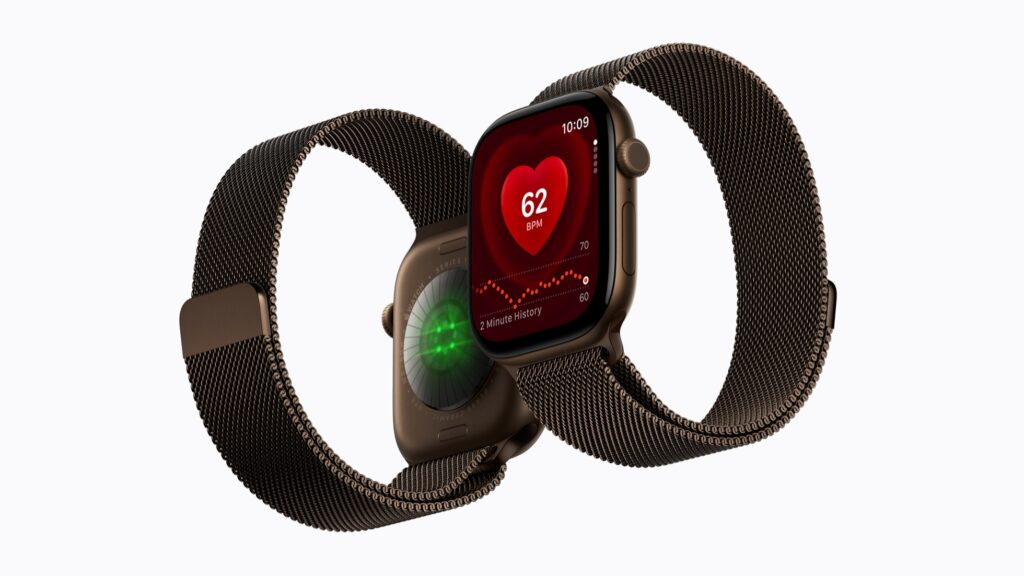
The Apple Watch Series 12 introduces Apple’s new Health Sensing System, combining redesigned optical and electrical sensors with the S11 chip.
The system measures heart rate and heart-rate variability every five seconds throughout the day. Apple says this enables more detailed health information, an expanded Vitals overview and a new readiness score that helps users understand their capacity for physical activity.
The watch continues to support ECG readings, heart-health notifications, sleep and workout tracking, sleep-apnoea notifications, Fall Detection and Emergency SOS.
Battery life reaches up to 24 hours under normal use and up to 10 hours while recording an outdoor workout. A 15-minute charge can provide up to 12 additional hours of use.
Apple Watch Series 12 comes in 42mm and 46mm sizes. Aluminium finishes include Dark Bronze, Black, Light Gold and Space Grey, while titanium options include Radiant Gold and Natural Titanium.
The watch starts at $399 in the United States and will be available in stores from September 18.
Apple Watch Ultra 4 targets athletes and adventurers
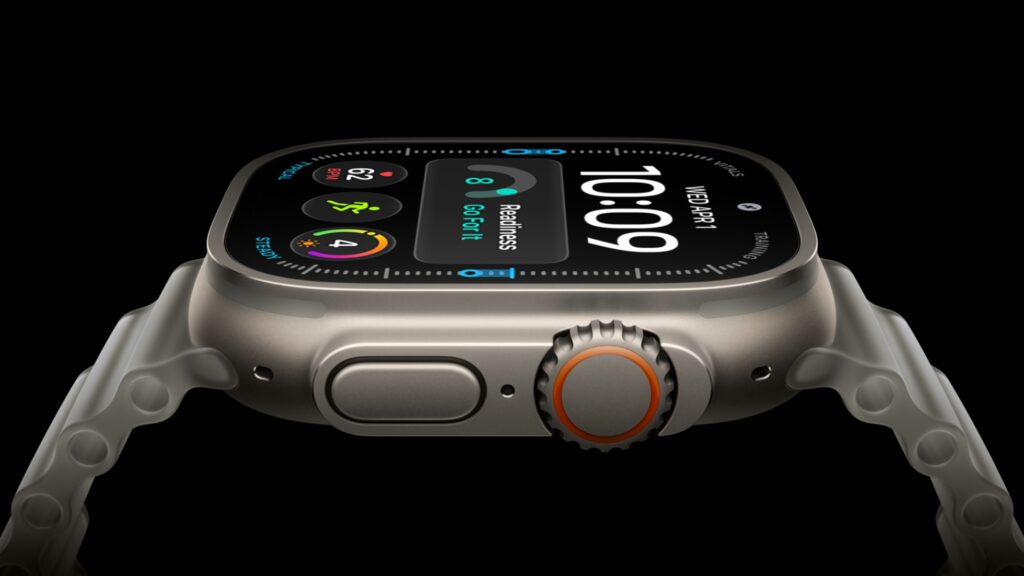
Designed for endurance sports and outdoor activities, the Apple Watch Ultra 4 combines the S11 chip with the same new Health Sensing System introduced in Series 12.
It offers higher-frequency heart-rate and HRV measurements, a readiness score, improved step tracking and advanced GPS capabilities. Apple says the model provides its most accurate on-device GPS and step tracking in a sports watch.
The Ultra 4 delivers up to 50 hours of normal battery life and up to 84 hours in Low Power Mode. Its Max Extended Workout mode can track outdoor running, walking and hiking for up to 45 hours while continuing to record GPS data every second.
Fast charging allows a 15-minute charge to add up to 18 hours of battery life. The watch also retains satellite communication and advanced safety functions for users travelling beyond mobile and Wi-Fi coverage.
Apple Watch Ultra 4 starts at $799, with retail availability beginning September 18.
Apple Intelligence expands into health and fitness
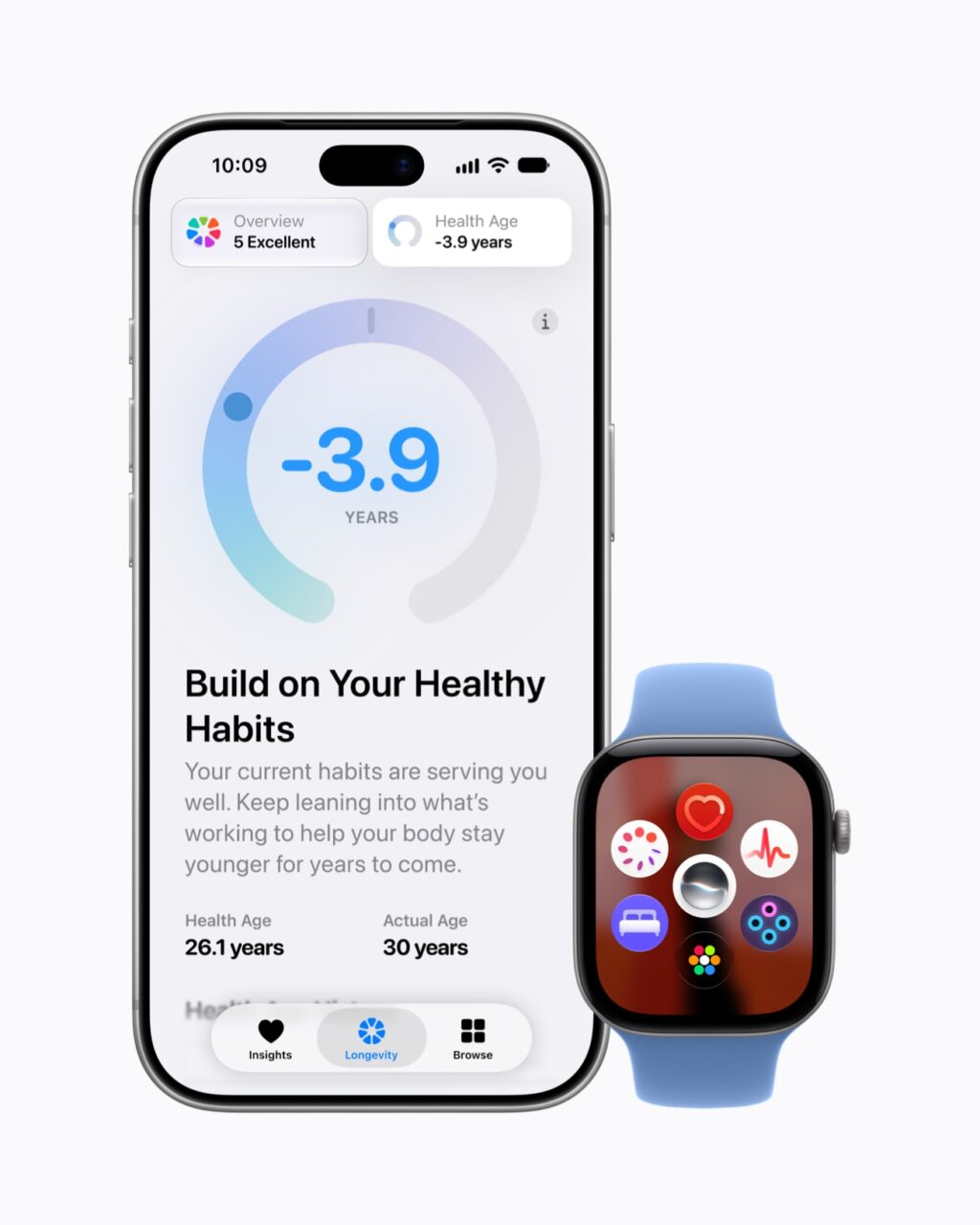
Apple is also bringing Apple Intelligence into a redesigned Health app for iPhone and iPad.
A new Insights tab provides summaries that update throughout the day using information related to sleep, heart health, readiness, exercise, vital signs and cycle tracking. A personalised “For You” section can offer recommendations based on the user’s recorded health patterns.
The new Longevity tab analyses long-term information across heart health, sleep, mental wellbeing, movement, metabolic health, hearing and nutrition. Its Health Age feature compares selected health measurements with a person’s chronological age.
The analysis can use information such as VO2 max, resting heart rate, sleep and HRV, while users can also add laboratory results such as A1c and LDL levels.
Apple is additionally introducing at-home movement assessments using the iPhone camera and Apple Watch. These evaluations can examine strength, flexibility, balance and movement mechanics. Apple says the process takes place entirely on the device, without recording, storing or sharing video.
Together, Apple’s new devices and software show the company moving towards a more deeply connected ecosystem in which artificial intelligence supports communication, productivity, fitness and long-term health monitoring. However, some features may not be available in every language or region, and Apple’s health tools are intended to support personal wellbeing rather than replace professional medical advice.