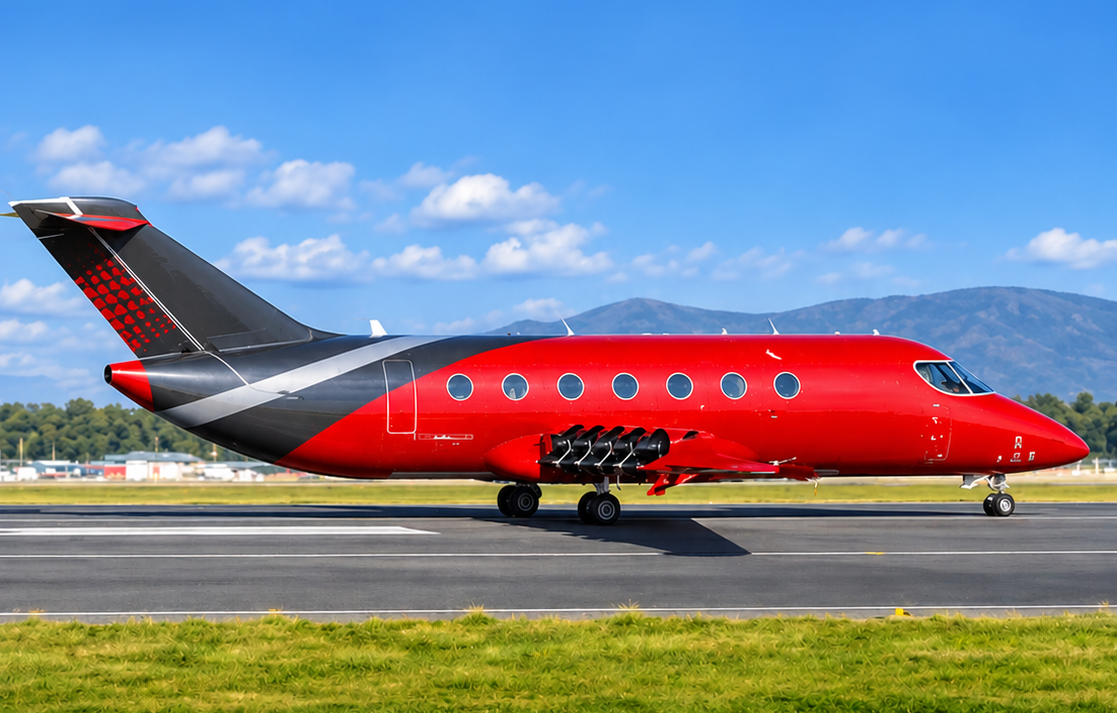
Binzhou – China’s Commercial Aircraft Corporation of China (COMAC) has completed the first crewed flight of its CE-25A battery-electric passenger aircraft, marking a significant step in the development of electric aviation.
The test took place on November 14 in Binzhou, Shandong province, with two pilots and a flight-test engineer on board. COMAC said the aircraft operated normally and met the expected performance indicators.
The CE-25A is designed to carry up to 19 passengers on short intercity routes. It has a maximum takeoff weight of around 10 tonnes, a stated cruising speed of 300 kilometres per hour and a range of up to 400 kilometres.
The aircraft uses 10 electric ducted fans mounted along its wings, five on each side, rather than conventional propellers. Its design is intended to support battery-powered regional flights.
The crewed test followed 19 autonomous, uncrewed flight validations, beginning with the aircraft’s first unmanned flight on February 2, 2026. The latest flight represents another stage in the programme’s testing process.
China’s Civil Aviation Administration has accepted COMAC’s application for a type certificate, starting a regulatory review of the aircraft’s airworthiness. Acceptance of the application does not mean the plane has been certified for passenger operations.
The CE-25A was developed with partners including battery manufacturer CATL and Shanghai Jiao Tong University. Although CATL has previously announced high-energy-density battery technology, the precise battery specifications installed in the CE-25A have not been publicly confirmed.
Electric aircraft developers in other countries are also testing battery-powered designs for regional travel. However, limited range, battery weight, safety certification and operating costs remain major challenges for the wider adoption of electric passenger aircraft.
COMAC has not announced when the CE-25A might begin commercial service. Further testing and regulatory approval will be needed before the aircraft can carry paying passengers.