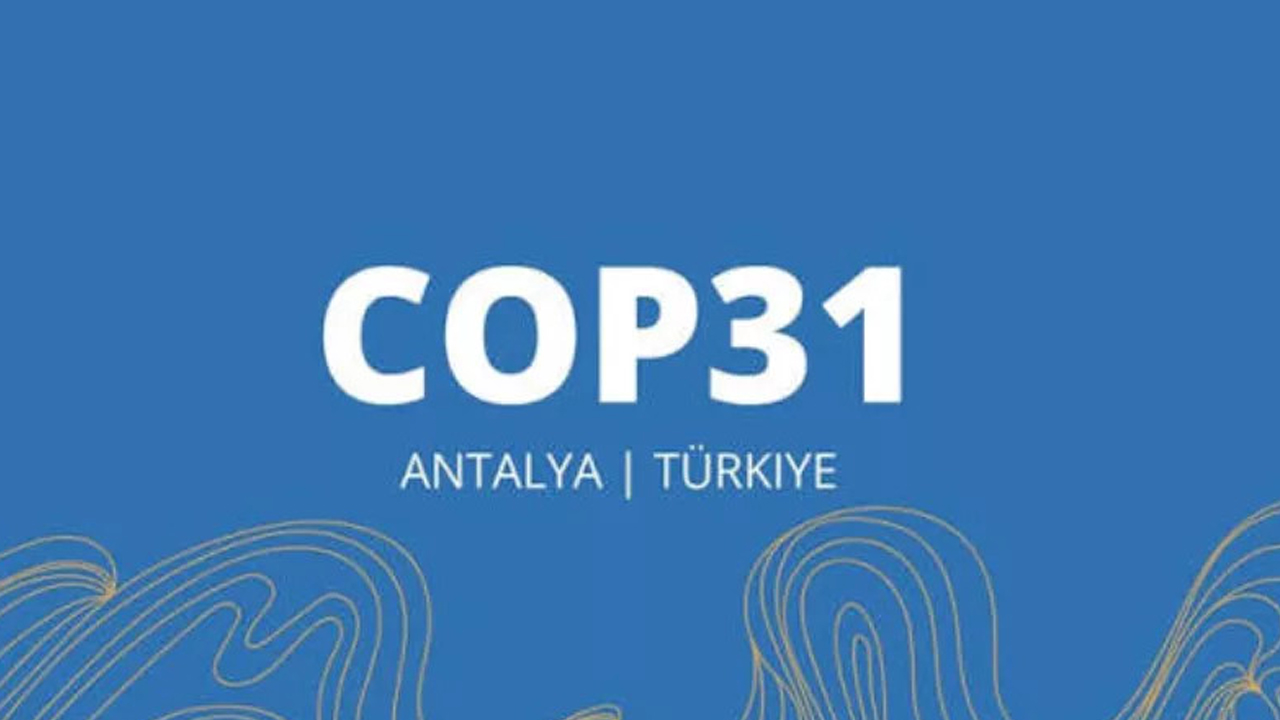
Kathmandu – CREASION Nepal has organised a special dialogue at the Nepal Pavilion during the COP31 climate summit in Antalya, Türkiye, highlighting the role of zero-waste practices in reducing the impact of climate change and promoting sustainable waste management.
The discussion brought together experts and representatives from different regions to explore practical waste management solutions, resource recovery and the transition towards a circular economy.
CREASION Nepal General Secretary Roshana Subedi moderated the discussion and emphasised the need for active, inclusive and coordinated participation from all stakeholders to achieve sustainable waste management.
The panel included Piotr Barczak, a black soldier fly (BSF) systems expert associated with Africa Circular; Norbu Wangchuk, Director General of the South Asia Co-operative Environment Programme; Soledad Mella, president of Chile’s national waste pickers’ association and a member of the international secretariat of RedLacre; and Volkan Ural, an industry representative associated with Interactives and Climate Türkiye.
Barczak discussed the practical application of BSF systems and international waste management experience, focusing on approaches that could help accelerate the transition to a circular economy.
Wangchuk highlighted the importance of regional cooperation and partnerships in South Asia to promote sustainable waste management and circular economic practices.
Mella drew attention to the contributions of waste pickers, stressing the need to recognise their work and include them in waste management policies and systems.
Ural presented an industry perspective on circular solutions, resource recovery and practical opportunities for improving the sustainability of waste management.
Participants called for stronger collective commitments, broader participation and more effective steps to support a zero-waste future. The discussion stressed that waste management should be linked not only to sanitation but also to climate action, resource conservation and sustainable development.
CREASION Nepal said progress towards zero waste requires joint efforts from governments, businesses, civil society, communities and individual citizens, with public participation playing an important role in making the transition successful.